






Your Body's Two Ages
Most of us think of age in chronological terms—the number of candles on our birthday cake. But scientists are increasingly focused on a different measure: biological age. This refers to how old your cells and tissues are functionally, which can be different from
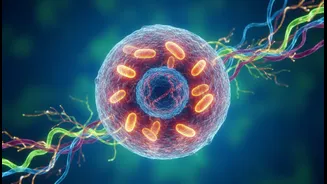
your chronological age. A key part of this is the concept of molecular or epigenetic clocks, which measure chemical changes to our DNA that accumulate over time. These changes don't alter our genetic code but act like switches, turning genes on or off. In aging, some of these switches can get stuck in the wrong position, contributing to a decline in function. For years, this process seemed like a one-way street, but we are now learning that lifestyle interventions, especially exercise, can influence these molecular timekeepers.
Why Muscle Is A Master Clock
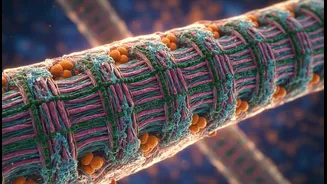
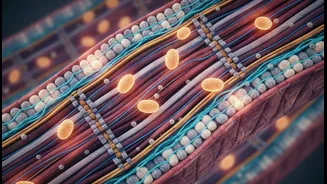
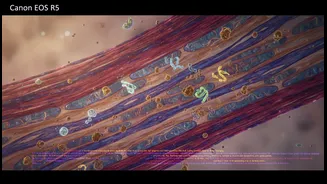
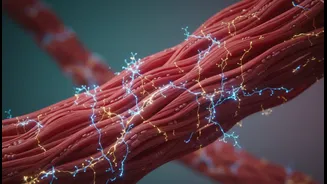
Skeletal muscle is more than just a tool for movement; it is a critical organ for overall health, influencing metabolism, strength, and resilience. However, muscle is particularly vulnerable to aging, leading to a gradual loss of mass and strength known as sarcopenia. This decline makes daily activities harder and increases the risk of falls and illness. Recent scientific breakthroughs allow researchers to read the epigenetic clock specifically within muscle tissue. These studies show that as we age, a crucial balance inside muscle cells gets disrupted. A cellular pathway that promotes growth can become overactive, while the muscle's ability to clear out damaged proteins and recycle cellular components slows down, leading to weakness.
Exercise: A Reset Button for Your Cells
Here’s where it gets exciting. A wave of new research demonstrates that exercise can act as a powerful “reset button” for aging muscles. Studies show that regular physical activity can substantially reverse the age-related molecular signature in muscle tissue, making it behave more like that of a younger person. One recent study identified a specific gene called DEAF1, which becomes overactive in aging muscles and disrupts the healthy balance of protein production and cleanup. Exercise was found to counter this by activating other pathways that lower DEAF1 levels, allowing aging muscle to clear out damage and repair itself properly. Both resistance training and endurance exercise have been shown to be effective, with studies linking them to reduced cellular senescence (the accumulation of old, dysfunctional cells) and more youthful gene expression profiles.
The New Planning Question for Your Health
This research changes the conversation about exercise. The question is no longer just if you should be active, but how you should plan your physical activity across your lifespan for maximal cellular benefit. It reframes exercise from a short-term tool for aesthetics or performance into a long-term strategy for managing your biological age. The new planning question is: How can I structure my activity now to build a reserve of cellular health for the future? Studies show that starting exercise even late in life can produce remarkable benefits, reversing some age-related molecular changes. However, consistent, high levels of activity over time appear to offer the most protection, with the muscles of regular exercisers appearing significantly 'younger' under a molecular microscope than their sedentary peers. This encourages a shift in mindset—viewing every workout not just as a deposit in your strength bank, but as a direct investment in your long-term cellular resilience.