






The Core of the Problem
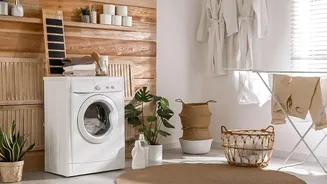
Modern washing machines are incredibly efficient, capable of handling large loads. However, our ability to dry those clothes hasn't always kept pace, especially in smaller apartments and homes without dedicated utility rooms or outdoor space. A single
large wash can release a significant amount of moisture into the air, creating a damp environment that slows down drying and can even lead to bigger issues. The challenge isn't just about finding physical space; it's about managing the airflow and humidity that a full load of wet laundry introduces into your home.
Rethink Your Laundry Routine
Instead of tackling a mountain of laundry once a week, consider shifting to smaller, more frequent loads. This approach has several advantages. Firstly, a smaller batch of clothes requires less physical space to hang. Secondly, it releases less moisture into your home at any one time, making it easier for air to circulate and dry the fabric effectively. An extra spin cycle on your machine can also make a significant difference, removing more excess water before you even hang the clothes, which cuts down on overall drying time. This simple change in habit can transform a weekend-long chore into a manageable daily task.
Maximise Space and Airflow
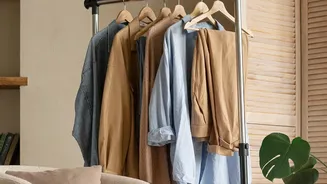
Strategic placement is key to efficient indoor drying. Always leave space between garments on a drying rack to allow air to circulate freely. Placing your rack in the warmest, most ventilated room is ideal. Creating a cross-breeze by opening a window, even slightly, can push moist air out and pull fresh air in. If opening a window isn't practical, using a simple fan to create air movement will achieve a similar effect, speeding up evaporation. For those truly tight on space, think vertically. Ceiling-mounted pulley racks, over-the-door hooks, and extendable shower rods are excellent ways to use often-overlooked areas without taking up valuable floor space.
The Great Debate: Heated Airer vs. Dehumidifier
For many, technology offers the best solution. A heated clothes airer gently warms your garments, speeding up evaporation. However, it doesn't remove the resulting moisture from the air, which can be an issue in homes already prone to dampness. A dehumidifier, on the other hand, actively pulls moisture from the atmosphere, creating a drier environment that helps clothes dry faster and prevents condensation. While a dehumidifier is often faster and better for overall home health, a heated airer is typically cheaper to run. Some experts suggest the ultimate combination is using both together: the heated airer provides the warmth, and the dehumidifier collects the moisture, resulting in fast drying times.
A Warning on Damp and Mould
Consistently drying clothes indoors without proper ventilation can lead to problems with dampness and mould. High humidity creates the perfect breeding ground for mould spores, which can damage your property and negatively affect your health. It’s crucial to ensure you're managing the moisture your laundry releases. Use an extractor fan if you have one, open a window, or invest in a dehumidifier to keep humidity levels in check. Make sure clothes are completely dry before putting them away in closets or drawers, as even slightly damp garments can create a musty smell and promote mould growth in confined spaces.