


The New Fungi Kingdom
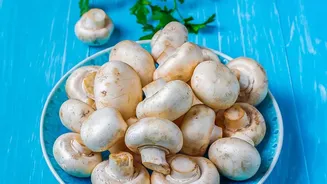
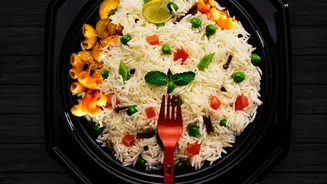
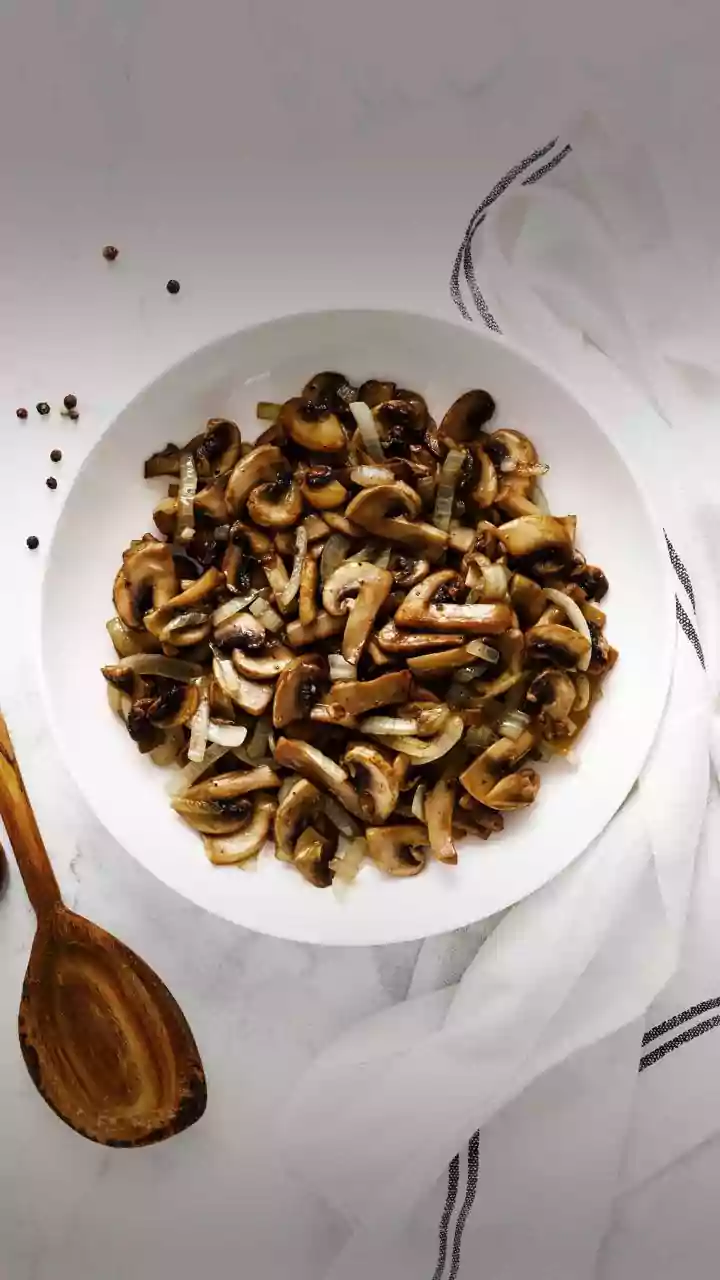
For years, the mushroom experience in most Indian cafes and restaurants was predictable: button mushrooms, usually swimming in a familiar masala or chopped onto a pizza. While delicious, they represented just a fraction of the vast and flavourful world
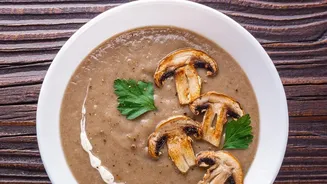
of fungi. Today, that landscape is changing dramatically. Walk into an urban cafe, and you're likely to find menus boasting dishes made with shiitake, portobello, and various types of oyster mushrooms. This shift reflects a broader culinary evolution, driven by a growing appetite for global flavours, an increased focus on health, and the rise of local, specialised farming.
Meet the New Varieties
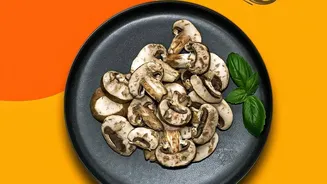
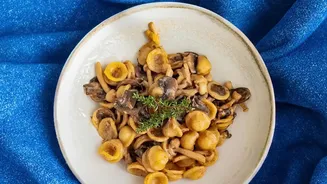
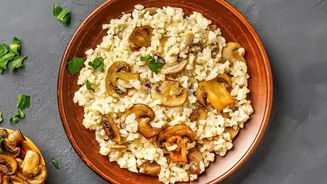
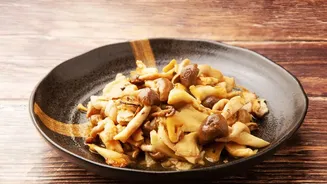
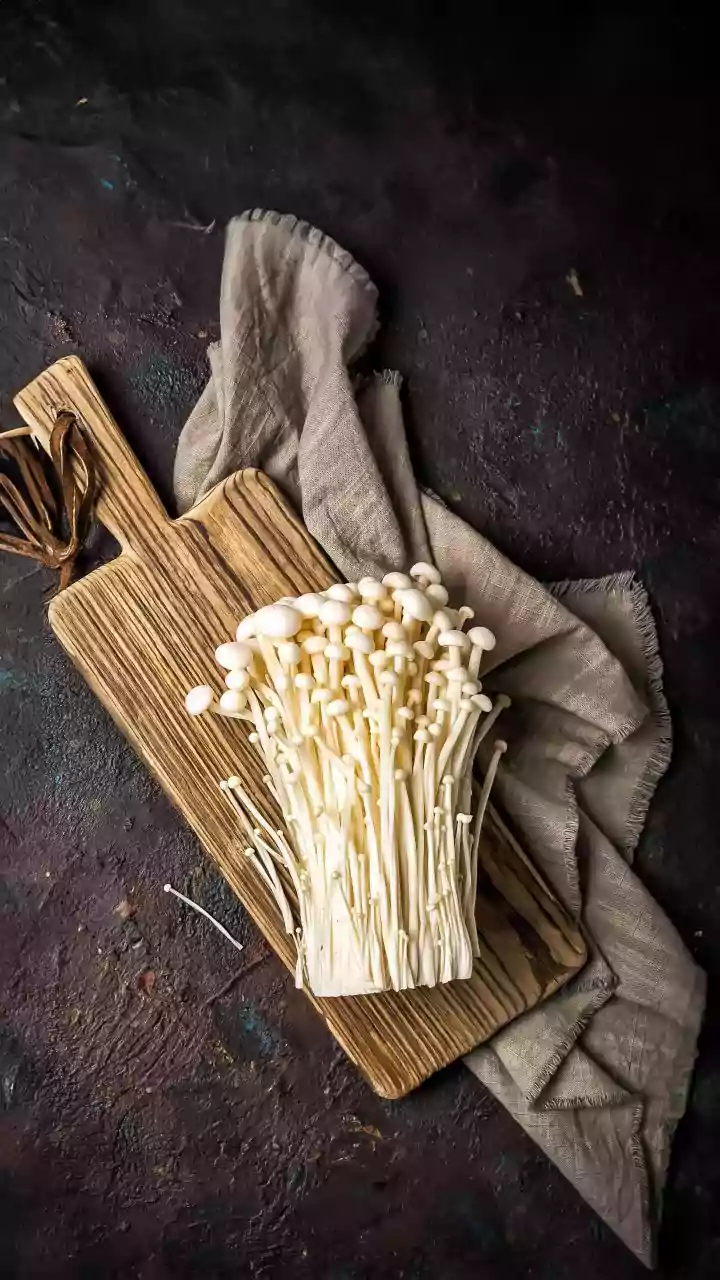
The button mushroom still dominates the market, but its exotic cousins are quickly gaining ground. Shiitake mushrooms, prized in East Asian cuisine for their smoky, umami-rich flavour, are now appearing in risottos, stir-fries, and even fragrant curries at Indian eateries. Then there’s the portobello, a large, meaty mushroom that serves as an excellent steak substitute in burgers and sandwiches. Oyster mushrooms, with their delicate texture and mild taste, are proving incredibly versatile, finding their way into everything from spicy pepper fries to creamy pasta sauces. More adventurous chefs are even experimenting with varieties like the seafood-tasting Lion's Mane and the slender Enoki, adding new textures and tastes to their offerings.
What's Driving the Mushroom Boom?
Several factors are fuelling this fungal renaissance. Firstly, there's the demand side. Indian diners are more exposed to global food trends than ever before and are eager to try new ingredients. The growing vegan and vegetarian populations are also seeking diverse, protein-rich alternatives to meat, and mushrooms fit the bill perfectly with their meaty texture and satisfying flavour. On the supply side, advancements in fungiculture have made it easier and more profitable for Indian farmers to cultivate these gourmet varieties. Government initiatives and training programs have encouraged this shift, helping to create a steady supply chain for restaurants and cafes that was previously non-existent. This local cultivation means fresher products and more accessible pricing, making it viable for cafes to include them on their menus.
Beyond the Main Course
The innovation doesn't stop at savoury dishes. The unique properties of mushrooms are being explored in exciting new ways. You might find mushroom coffee on the menu, a wellness trend that uses mushroom extracts—often from varieties like shiitake—blended with coffee for a nutrient boost without the jitters. We are also seeing the rise of mushroom powders and processed mushroom products, which allow chefs to easily incorporate that deep, earthy umami flavour into soups, sauces, and even spice rubs. From classic mushroom masala and biryani to inventive creations like mushroom tikka and Goan xacuti, the culinary applications are expanding rapidly, showcasing the incredible versatility of this ingredient.