





The Screen-Snack Connection
Eating while distracted by a screen is a modern ritual for many. Whether it's scrolling through social media during lunch or binge-watching a series with dinner, we often pair our meals with digital content. This habit, however, can disrupt the crucial
mind-body connection that governs our eating habits. Research suggests that when our attention is focused on a screen, we become less aware of our body’s internal hunger and fullness cues. This 'distracted eating' can lead to overconsumption during the meal itself and may even leave you feeling unsatisfied, prompting you to eat more later.
Your Brain on Screens: Distraction and Cravings
The science behind this phenomenon is twofold. Firstly, our brains have limited attentional capacity. When you're absorbed in a show or game, your ability to process the sensory experience of eating—the taste, texture, and satisfaction—is diminished. This can interfere with your memory of the meal, making you more likely to forget you've eaten and feel hungry again sooner. Secondly, what's on the screen matters. Constant exposure to food advertising, which overwhelmingly promotes high-calorie, low-nutrient items, can trigger cravings. Studies have shown that both children and adults consume more food after being exposed to food ads, even if the food they eat is different from what was advertised.
The Hormonal Hypothesis: Blue Light and Appetite
Beyond psychological distraction, the physical light from our screens may also play a role. Electronic devices emit blue light, which can disrupt our natural circadian rhythms—the body's internal clock. Exposure to blue light at night has been shown to suppress melatonin, the hormone that signals it's time to sleep. This disruption doesn't just affect sleep; it can throw appetite-regulating hormones off balance. Poor sleep is linked to lower levels of leptin (the hormone that signals fullness) and higher levels of ghrelin (the hormone that signals hunger). This hormonal shift can lead to increased cravings, particularly for high-sugar and high-fat foods, the following day.
Designing Your Personal Experiment
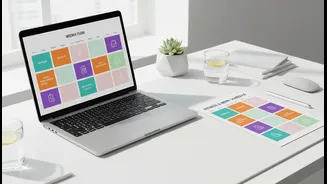
The evidence suggests a strong link, but the impact of screens on hunger can be personal. The best way to understand how they affect you is to run a simple self-experiment. This isn't about rigid rules or guilt; it's about gathering information to make more mindful choices. The goal is to compare your eating habits and hunger levels on days with screen-free meals versus days with your usual routine. All you need is a notebook or a notes app on your phone to jot down your observations.
Step 1: Establish Your Baseline
For three to four days, go about your life as usual. Eat your meals and snacks as you normally would, screens included. At the end of each day, take a few minutes to record what you ate and when. More importantly, note your hunger and fullness levels before and after eating. Did you feel genuinely hungry or just bored? Did you eat until you were comfortably full or uncomfortably stuffed? Also, note any cravings you had and your general energy levels throughout the day.
Step 2: The Screen-Free Eating Challenge
Next, for another three to four days, commit to eating all meals and snacks without any screens. That means no TV, no phone, no laptop. This might feel strange at first. To make it easier, designate a specific place for eating, like a dining table, to create a physical separation from your usual screen zones. If eating alone feels odd, try playing some music, listening to a podcast, or simply focusing on the flavours and textures of your food. Record the same information as before: what you ate, when you ate it, and your hunger and satisfaction levels.
Step 3: Analyse Your Findings
After the challenge, it's time to compare your notes. Look at the two periods side by side. Did you eat less during your screen-free days? Did you notice a difference in the types of food you chose or craved? Perhaps you felt more satisfied after meals, or you were less inclined to snack between them. Pay attention to how you felt. Were you more relaxed during meals? Did you enjoy your food more? There are no right or wrong answers. The goal is simply to observe the patterns that are unique to you.