


The Sweet Surrender
For generations, refined white sugar has been the undisputed king of sweeteners in Indian households. From morning chai to festive desserts, its fine crystals have been a staple. However, a growing awareness of health and wellness has cast a shadow on this
pantry essential. Concerns about empty calories, inflammation, and blood sugar spikes have led many to seek out healthier alternatives. This shift isn't just about cutting out sugar entirely; it's about making smarter, more informed choices. For many Indian home bakers, this has meant looking back to their roots and embracing an ingredient that has been part of the subcontinent's culinary heritage for centuries.
Jaggery’s Golden Comeback
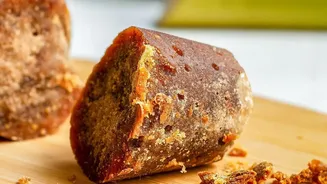
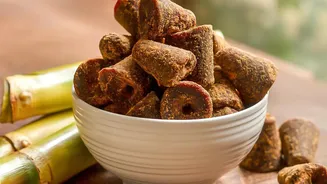
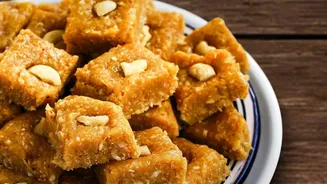
Jaggery, a traditional unrefined sweetener made from sugarcane or palm sap, is at the forefront of this movement. Unlike refined sugar, which undergoes intense chemical processing that strips it of all nutrients, jaggery is made using traditional methods of boiling and churning. This minimal processing allows it to retain minerals like iron, potassium, and magnesium, as well as antioxidants. While it's important to remember that jaggery is still a form of sugar and should be consumed in moderation, its nutritional profile makes it a more compelling choice for those looking to avoid the 'empty calories' of white sugar. Ayurvedic traditions have also long touted its benefits, from aiding digestion to purifying the blood.
A Revolution in Flavour and Texture
The switch to jaggery is about more than just health; it's a culinary upgrade. Jaggery imparts a rich, caramel-like flavour and a distinctive earthy saltiness that white sugar simply cannot match. This complex taste profile adds depth and character to baked goods. Furthermore, jaggery is a natural humectant, meaning it attracts and holds moisture. This property results in cakes, cookies, and breads that are wonderfully moist, soft, and chewy. Home bakers are discovering that using jaggery doesn't just make their creations healthier; it makes them more delicious, with a unique texture and a beautiful golden-amber hue.
The Baker’s Craft: Working with Gur
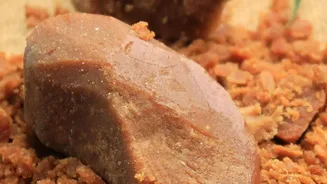
Baking with jaggery isn't a simple one-to-one substitution for sugar, but it's a challenge that home bakers are eagerly embracing. Jaggery comes in various forms, from solid blocks to free-flowing powder. For baking, jaggery powder is often preferred for its convenience. When substituting, it's generally a 1:1 ratio for brown sugar, but since jaggery adds more moisture, some bakers recommend slightly reducing the liquid in a recipe. For cakes made with palm jaggery, a popular technique involves melting the jaggery into a syrup first, which is then cooled and incorporated into the batter to ensure even distribution and a smooth texture. This hands-on approach is part of the appeal, connecting bakers more closely to their ingredients.
From Brownies to Banana Bread
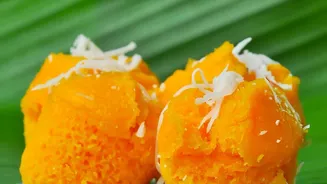
The versatility of jaggery is being explored in a wide array of baked treats. Traditional Indian sweets are being reinvented in baked forms, like whole wheat and jaggery malpua or baked coconut-jaggery stuffed parathas. At the same time, classic Western desserts are being given a wholesome Indian twist. Home bakers are creating everything from jaggery-sweetened banana bread and chocolate brownies to moist tea cakes and spiced cookies. The combination is magical: the comforting familiarity of a brownie or a cookie, enhanced with the deep, molasses-like sweetness of gur. This fusion represents the best of both worlds—modern baking techniques elevated by traditional Indian ingredients.