



Why the Rains Raise the Risk
The monsoon season creates a perfect storm for food contamination. The high humidity and moisture in the air are ideal breeding grounds for harmful bacteria, viruses, and fungi, allowing them to multiply rapidly. This means food spoils much faster than
in other seasons. Furthermore, heavy rains can lead to waterlogging and the contamination of water supplies with sewage and other pollutants. This unsafe water may be used by street vendors for washing produce or preparing chutneys, increasing the risk of waterborne diseases like typhoid, cholera, and gastroenteritis.
The Hidden Dangers in Cut Fruits
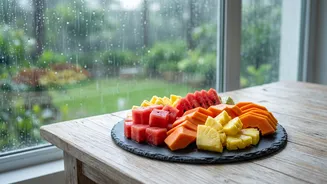
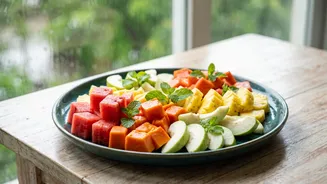
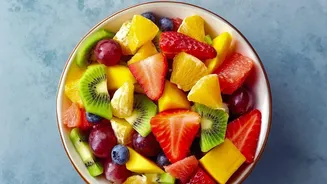
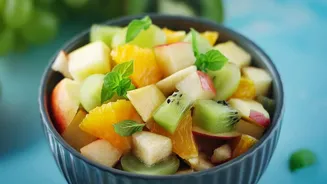
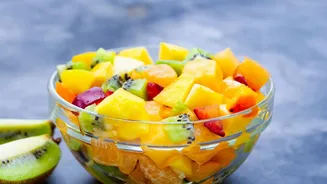
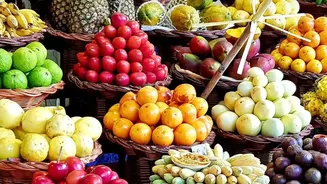
A whole fruit has its own natural, protective peel. The moment it's cut, that barrier is gone. Pre-cut fruits sold by roadside vendors are exposed to a host of contaminants, from dust and flies to the vendor's hands and the knife used for cutting. The moisture on the cut surface of the fruit further encourages the rapid growth of microbes. Even if the fruit itself is fresh, the risk comes from this external contamination. It's much safer to buy whole fruits, wash them thoroughly at home with clean water, and cut them yourself right before you plan to eat them.
The Problem with Raw Salads
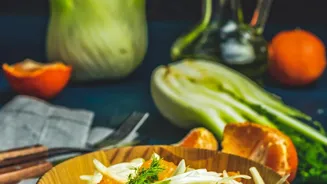
Like cut fruits, raw salads pose a significant risk during the monsoon. Leafy greens such as lettuce and spinach grow close to the soil and can be contaminated with dirt and microbes that are difficult to wash off, especially in their folds. When these vegetables are served raw, any germs they carry are consumed directly. The water used to wash them at a street stall might be contaminated, adding another layer of risk. Given these concerns, health experts often recommend avoiding raw salads from outside sources during this season. A safer alternative is to prepare salads at home with produce that has been meticulously washed in clean water.
Know What to Watch For
Consuming contaminated food can lead to a range of unpleasant and sometimes serious illnesses. The most common symptoms of foodborne infections include stomach cramps, diarrhoea, vomiting, and fever. More severe diseases prevalent during the monsoon include typhoid fever, which is caused by Salmonella bacteria, and Hepatitis A, a viral liver infection. If you experience severe symptoms like persistent vomiting, blood in your stool, a high fever, or signs of dehydration, it is crucial to seek medical attention promptly.
Smart Swaps for Safe Snacking
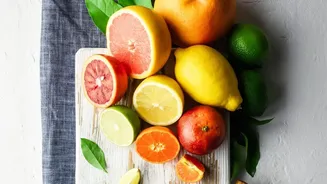
Being cautious doesn't mean you have to miss out on delicious monsoon treats. The key is to choose wisely. Opt for foods that are served hot and freshly cooked, as heat kills most harmful germs. Instead of a raw vegetable salad, consider a warm vegetable soup or lightly steamed or sautéed vegetables. If you're craving chaat, try making it at home where you can control the hygiene and use purified water. Fruits that you can peel yourself, such as bananas and oranges, are generally safer options when you're out and about. By making these simple swaps, you can satisfy your cravings without compromising your health.
Your Home Safety Checklist
The safest place to enjoy fruits and salads during the monsoon is your own kitchen. Following a few simple rules can drastically reduce your risk. Always wash your hands thoroughly with soap and water before handling food. Wash all fruits and vegetables under clean, running water. For extra safety with leafy greens, you can soak them in a light saltwater solution before a final rinse. Use clean knives and chopping boards, and prepare salads and cut fruits just before you plan to serve them to minimize the time they are exposed to the air. Store any leftovers in airtight containers in the refrigerator promptly.