


A Wellness Powerhouse Pairing
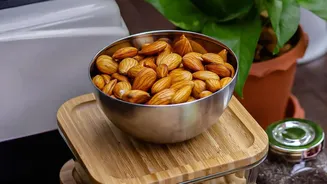
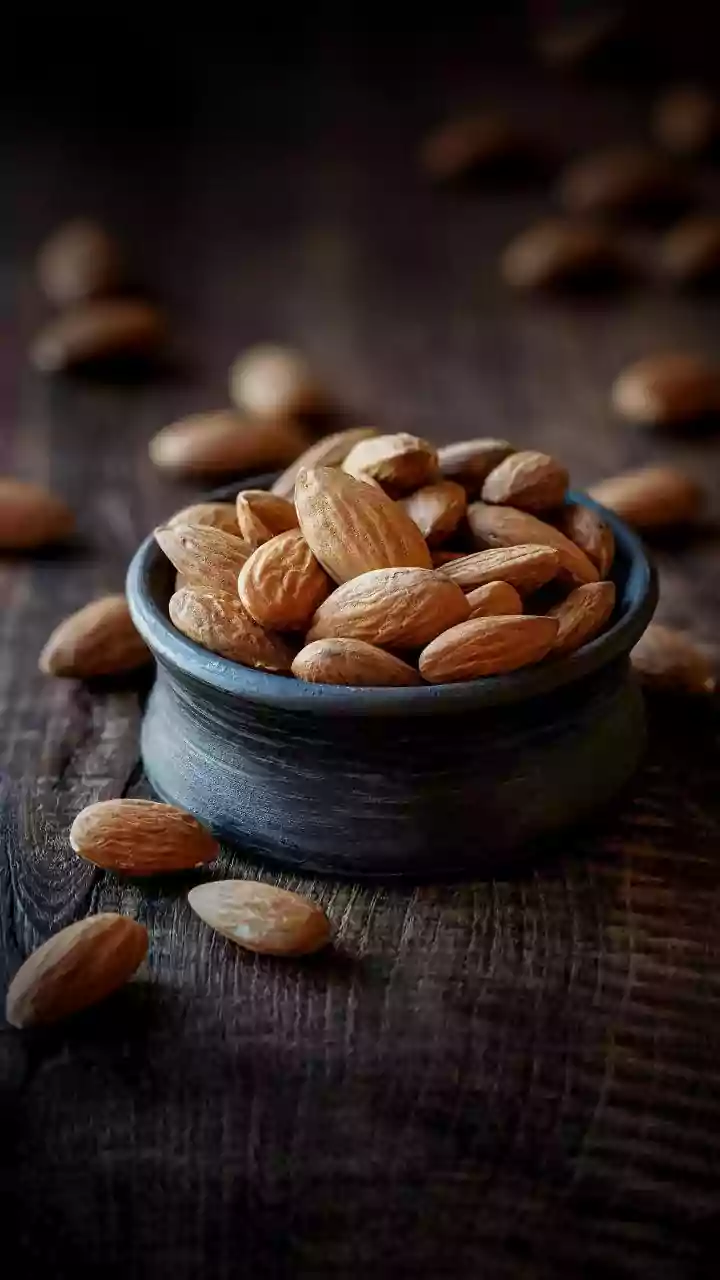
Almonds and ginger have been staples in traditional medicine for centuries, and for good reason. Almonds are packed with essential nutrients like vitamin E, magnesium, fibre, and heart-healthy monounsaturated fats. Regular consumption has been linked
to lower 'bad' cholesterol levels, improved blood pressure, and better blood sugar control. Ginger owes much of its medicinal prowess to gingerol, a bioactive compound with powerful anti-inflammatory and antioxidant properties. It is celebrated for its ability to aid digestion, soothe nausea, and reduce inflammation, which can be beneficial for conditions like arthritis. When combined, they create a synergistic blend that can boost immunity, support heart health, and promote overall well-being.
Method 1: The Mortar and Pestle
The most traditional and arguably most satisfying way to create a fresh paste is with a mortar and pestle. This ancient tool, often found in Indian kitchens as an 'okhli and musal', excels at crushing ingredients, which releases their essential oils and flavours more effectively than the chopping action of a blender blade. For the best results, start with soaked almonds. Soaking them in water for a few hours or overnight softens them, making them much easier to grind. Drain the almonds and peel off the skins if you prefer a smoother paste. Add the peeled almonds and some roughly chopped fresh ginger to the mortar. Begin by pounding with firm, downward taps to break everything down. Once the ingredients are cracked into smaller pieces, switch to a circular grinding motion, pressing the pestle against the sides of the bowl to form a smooth paste. Don't overcrowd the mortar; work in small batches for the best consistency.
Method 2: The Rolling Pin 'Processor'
If you don't own a mortar and pestle, there's an even more basic tool that can get the job done: a rolling pin, or 'belan'. This method, sometimes called the 'Berber food processor', is surprisingly effective. Place your soaked, peeled almonds and chopped ginger on a clean, sturdy chopping board. For a less messy experience, you can place the ingredients inside a durable zip-lock bag. Fold the bag over or cover the ingredients with a clean kitchen towel to prevent pieces from flying away. Then, using a heavy rolling pin, firmly roll over and press down on the ingredients. For a coarser texture, you can simply whack them a few times. Continue to crush and roll until you achieve a rustic paste. The texture won't be as uniformly smooth as with a mortar and pestle, but it will be perfectly suitable for many uses.
How to Use Your Homemade Paste
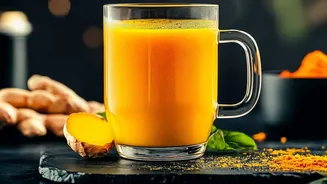
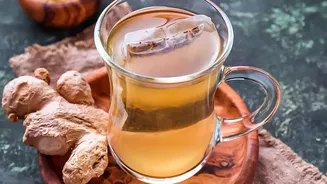
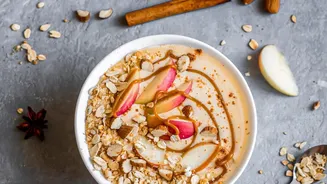
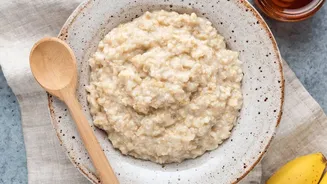
Now that you have your fresh almond and ginger paste, the possibilities are endless. One of the simplest ways to enjoy it is by stirring a teaspoon into a glass of warm milk or hot water for a soothing, nutritious drink. Add a touch of honey or jaggery for sweetness. This makes for a wonderful bedtime beverage or a comforting start to the day. You can also mix the paste into your morning porridge, yoghurt, or smoothies. For a more direct health boost, some people mix a small amount of the paste with honey and consume it straight from a spoon. The paste can also form a flavourful base for savoury dishes, adding depth to curries, marinades, or sauces. Store any leftover paste in an airtight container in the refrigerator for up to three days.