



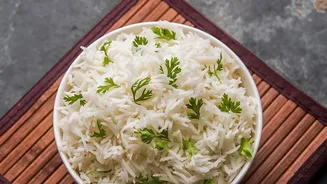

The Golden Rule for Fluffy Grains
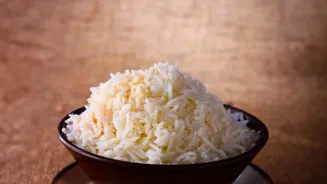
For many types of rice, especially long-grain varieties like basmati and jasmine, the primary rule is simple: do not stir while it's cooking. Once you've added the rice to the boiling water, give it a single, gentle swirl to ensure the grains are distributed
and not clumping, then put the lid on and leave it alone. Stirring breaks down the delicate grains, especially as they swell with water. This breakage, along with agitation, is what leads to a sticky, undesirable texture when you're aiming for light and separate grains. Even lifting the lid can be detrimental, as it allows the precious steam needed for even cooking to escape.
Unlocking the Starch Secret
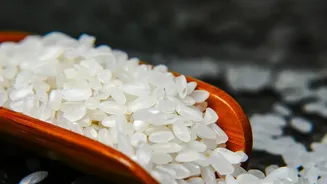
The reason stirring has such a dramatic effect comes down to science, specifically, to starch. Rice contains two main types of starch: amylose and amylopectin. Long-grain rice is high in amylose, a long, straight molecule that doesn't gelatinize easily, resulting in cooked grains that are fluffy and separate. Short and medium-grain rice varieties have a higher concentration of amylopectin, a branched molecule that is responsible for stickiness. When you stir rice, you are agitating the grains and encouraging them to release their surface starch into the cooking water. For high-amylose rice, this creates a starchy slurry that coats the individual grains, making them clump together—the exact opposite of the desired fluffy outcome.
When to Break the Rule: Creamy Dishes
The headline's crucial caveat is "unless the dish requires it," and this is where those high-amylopectin rices shine. Dishes like Italian risotto and Indian kheer or payasam are defined by their creamy, luxurious texture. This creaminess is achieved precisely by doing what you're not supposed to do with long-grain rice: stirring. For risotto, medium-grain rice like Arborio or Carnaroli is used. The constant, gentle stirring of the rice while gradually adding hot broth encourages the grains to release their amylopectin, which emulsifies with the liquid to create a silky, starchy sauce that is the hallmark of the dish. Without stirring, you would simply have boiled rice, not creamy risotto.
Your Path to Perfectly Fluffy Rice
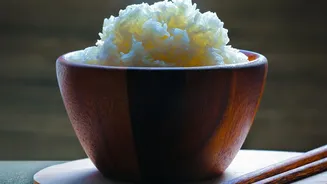
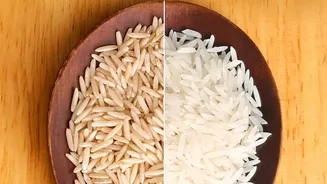
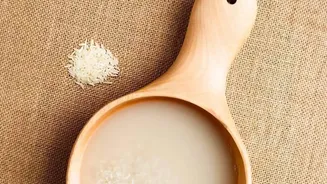
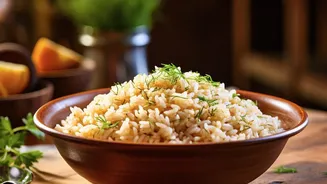
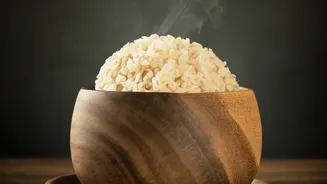
To achieve perfectly separate and fluffy grains of basmati or jasmine rice, the process is as important as avoiding the stir. First, always rinse your rice in cool water until the water runs clear. This removes excess surface starch. Soaking the rice for at least 15-30 minutes also helps the grains cook more evenly. Use a pot with a tight-fitting lid and measure your rice and water by volume—a common ratio is 1 part rice to 1.5 or 2 parts water, depending on the specific rice. Bring it to a boil, give it one last swirl, then reduce the heat to the lowest possible setting, cover, and let it simmer for about 10-15 minutes. Critically, once the heat is off, let it rest, still covered, for another 5-10 minutes. This allows the residual steam to distribute and firm up the grains before you finally fluff them with a fork.
Not All Grains Are Created Equal
Ultimately, the choice to stir or not is determined by the type of rice and the culinary goal. Long-grain rices like basmati and jasmine are low in the sticky amylopectin starch and are meant to be cooked into fluffy, distinct grains. Therefore, they should be left alone. Short-grain rices, such as those used for sushi or paella, and medium-grain Arborio for risotto, have higher amylopectin content. This makes them ideal for dishes where a creamy or sticky texture is desired, often requiring stirring to release those starches. Understanding the starch content of your rice is the key to knowing whether your spoon is a helpful tool or a texture-destroying menace.