


Devotion in a Modern Era
Janmashtami, celebrating the birth of Lord Krishna, is a festival steeped in devotion, fasting, and feasting. The culmination often involves offering 'prasad'—sacred food prepared with love. Traditionally, this includes a delightful array of sweets. This
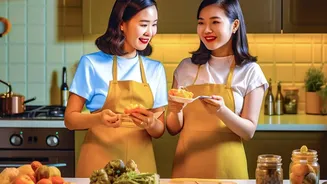
year, however, a new wave of enthusiasm is sweeping through preparations, driven by youth collectives. These groups, often volunteering with community organisations and temples, are bringing a modern wellness consciousness to the traditional kitchen. Their mission is to honour the spirit of the festival while aligning the food with contemporary healthy-living values, proving that devotion and health can go hand-in-hand.
The Spirit of Seva Meets Wellness
The concept of 'seva', or selfless service, is central to Janmashtami celebrations. For generations, communities have come together to cook and distribute food. Today, young people are embracing this spirit with renewed vigour. You can see them in temple kitchens and community centres in cities like Vrindavan, Mathura, and Mumbai, not just chopping vegetables, but actively discussing ways to make the prasad healthier. It's a grassroots movement that marries the ancient practice of annadanam (the offering of food) with a distinctly modern concern for well-being. This isn't about discarding tradition, but about ensuring it remains relevant and nourishing for all, including the elderly and health-conscious devotees.
Reimagining Traditional Recipes
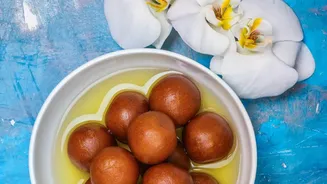
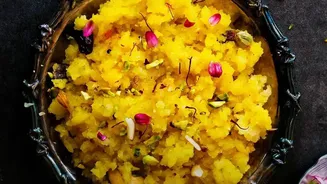
The focus of this healthy makeover is on the festival's most beloved sweets. Take Panjiri, a staple prasad. Instead of relying solely on refined sugar, these young chefs are using natural alternatives. Recipes now frequently feature jaggery powder or finely chopped dates, which provide sweetness along with minerals like iron. Dhaniya Panjiri, made from coriander seed powder, is often enriched with nuts and seeds, making it a nutrient-dense offering rather than just a sugary treat. Similarly, Makhana Kheer is being prepared with minimal sweeteners, allowing the natural taste of the fox nuts and milk to shine, sometimes with a touch of stevia or monk fruit for those avoiding sugar entirely.
Smart Swaps for Guilt-Free Indulgence
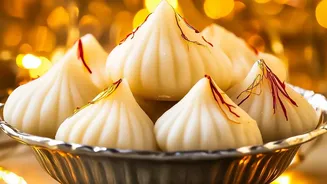
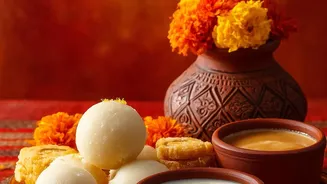
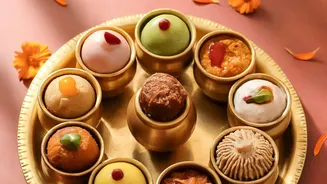
The innovation doesn't stop with one or two dishes. The entire platter of 'Chhappan Bhog' (the traditional 56 items offered to Krishna) is getting a healthy re-evaluation. Laddoos, for instance, are being crafted from almond flour, oats, or dates and nuts, bound together with a small amount of ghee instead of being laden with sugar syrup. For sweets like Coconut Barfi, kitchens are reducing sugar and letting the natural sweetness of fresh coconut take centre stage, often using coconut milk to create a rich, creamy texture without excess dairy fat. These simple swaps—like using jaggery, dates, or stevia instead of refined sugar—make the offerings accessible to diabetics and anyone looking to celebrate more mindfully.
A Tradition That Evolves
This trend highlights a beautiful evolution in how traditions are passed down. The younger generation is not just passively receiving customs; they are actively participating and shaping them. By infusing traditional recipes with a healthy twist, they ensure that these cherished culinary rituals continue to be a source of joy and nourishment for years to come. It’s a testament to the idea that culture is not a static monument but a living, breathing entity that adapts to the needs and values of the present. These youth-led initiatives ensure that the essence of Janmashtami—love, devotion, and community—is celebrated in the healthiest way possible.