


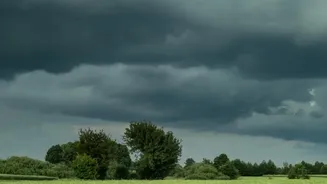
A City Left High and Dry
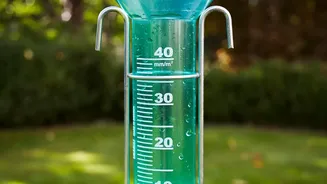
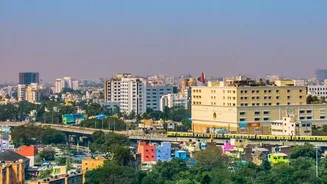
July is typically one of Bengaluru's wettest months, a time of cool relief and grey skies. This year, it was anything but. The India Meteorological Department (IMD) city observatory recorded just 23mm of rainfall for the entire month, a staggering departure
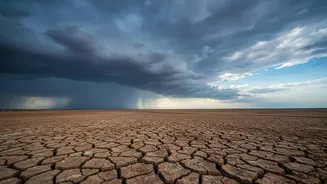
from the norm and the lowest July total since 1918. This made it the second-driest July in 108 years. The prolonged dry spell was a stark contrast to the healthy pre-monsoon showers the city had received, which had initially buoyed hopes for the season. But as July progressed with little more than a few light spells, the seasonal total barely nudged forward, leaving residents to wonder where the monsoon had gone.
National Average vs. Local Reality
The situation in Bengaluru highlights a growing problem with how India talks about its most critical season. Nationally, the monsoon picture for July was declared near-normal, with rainfall at 99% to 101% of the long-period average, depending on the report. This single number, however, masks enormous regional variations. While parts of central India received excess rain, the south peninsula faced a significant deficit. This discrepancy is at the heart of the scrutiny facing the 'national monsoon' label. For farmers, water managers, and citizens in places like Bengaluru or the wider South Interior Karnataka region, a 'normal' national figure is meaningless when their taps are running dry and fields are parched. Experts have long argued that declaring the monsoon 'normal' based on a national aggregate can be dangerously misleading, as it overlooks simultaneous and severe regional droughts and floods.
What Caused the Dry Spell?
A combination of meteorological factors conspired to keep the monsoon weak over southern Karnataka. Meteorologists point to an inactive offshore trough along the west coast and a weak westerly flow, which are crucial for bringing rain to the region. A developing El Niño in the Pacific Ocean is also a prime suspect, as it is known to suppress monsoon rainfall in India. While a brief revival of rain occurred at the very end of the month due to a trough extending from Gujarat to Kerala, it was seen as a short-lived spell. The broader forecast suggests that while August may see some revival, weak monsoon conditions could persist, adding to the state's woes. This pattern of erratic, intense rainfall in some areas and prolonged dryness in others is becoming a hallmark of monsoons in a warming world.
The Real-World Consequences
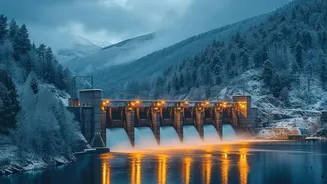
The lack of rain is more than just an inconvenience. Karnataka as a state ended July with a 26% rainfall deficit, raising the spectre of drought for the 17th time in 26 years. Sowing of essential kharif crops has been hit hard across the state's agricultural hubs. In Bengaluru, a city already struggling with water security, the dry spell has intensified pressure on its resources. The demand for water tankers from the Bangalore Water Supply and Sewerage Board (BWSSB) had already surged during the dry summer, and a failed monsoon will only exacerbate the strain on the city's major reservoirs. The situation raises urgent questions about urban water management and the city's resilience to increasingly volatile weather patterns.
A Call for a New Weather Story
Bengaluru's parched July serves as a potent case study for why India needs to move beyond a single, monolithic monsoon narrative. Climate experts and meteorologists are increasingly calling for more nuanced, region-specific forecasting and communication. As climate change makes weather patterns more erratic, a national average becomes less and less useful for real-world decision-making. The story of the 2026 monsoon isn't a simple tale of 'normal' or 'deficient' rainfall. It's a complex, fragmented narrative of too much rain here, too little there, and the growing challenge of communicating this reality to over a billion people. The focus must shift from a single percentage to the actual availability of water where it matters most: on farms, in reservoirs, and for the people whose lives depend on it.