




Adopt the Capsule Wardrobe Mindset
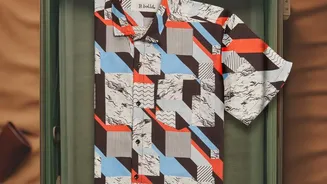
The core principle of a capsule wardrobe is simple: own a small collection of essential, high-quality items that can be mixed and matched. For hikers, this means choosing pieces in a coordinated colour palette. Start with neutral base colours like black,
grey, olive, or navy for your main items like pants and jackets. Then, add one or two accent colours for your shirts and accessories. Every top should work with every bottom, maximising your outfit combinations without needing a new garment for each day of the trip. This strategic selection is the foundation of packing light.
Master the Art of Layering
Layering is the single most effective strategy for both staying comfortable on the trail and saving space in your bag. Instead of one huge, heavy jacket, think in terms of a three-part system. First is the base layer, a moisture-wicking shirt made of merino wool or a synthetic fabric that sits next to your skin. Avoid cotton, which holds moisture and makes you cold. Second is the mid-layer, which provides insulation; think fleece jackets, thin down vests, or wool sweaters. Finally, the outer layer, or shell, should be a waterproof and windproof jacket that protects you from the elements. This system allows you to adapt to changing temperatures by adding or removing layers as needed.
Choose High-Performance, Low-Bulk Fabrics
The materials you choose are just as important as the items themselves. Modern outdoor gear is designed to be both warm and highly compressible. Merino wool is a miracle fabric for travellers; it's warm, breathable, naturally odour-resistant, and provides warmth even when damp. This means you can wear a merino base layer for multiple days without it needing a wash. For insulation, look for packable down or synthetic-fill jackets. These puffer-style coats offer incredible warmth for their weight and can be compressed down to a fraction of their size, often into their own pocket. Choosing these advanced fabrics over bulky cotton or traditional wool will dramatically reduce the volume of your clothing.
Wear It, Don’t Pack It
This is a golden rule for carry-on travel. Identify your bulkiest items and wear them on the plane. This always includes your hiking boots, which are too heavy and rigid to pack efficiently. It also means wearing your heaviest coat—often a combination of your mid-layer fleece and outer shell jacket—during transit. While you might feel a bit bulky walking through the airport, you can always take the jacket off once you're on the plane and use it as a pillow or blanket. This single move frees up an enormous amount of space in your luggage.
Embrace the Power of Compression
To conquer the remaining bulk, you need to actively remove air. Compression packing cubes and stuff sacks are essential tools. These organisers allow you to pack soft items like sweaters, down jackets, and thermal underwear, and then use a secondary zipper to squeeze the air out, reducing their volume by up to 50 percent. This not only saves space but also keeps your bag neatly organised, separating clean clothes from dirty laundry or different types of gear. For a more extreme option, vacuum-sealed bags offer maximum compression, though they can turn your soft clothes into dense, hard bricks.
Utilise Every Unused Space
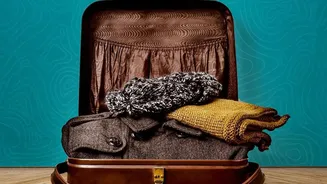
Once your main items are compressed, it’s time to get creative with the nooks and crannies. Roll, don't fold, your flexible clothing items like t-shirts and base layers; this allows them to be tucked into gaps more easily. Any hollow space is an opportunity. Stuff your extra pairs of socks, gloves, and even underwear inside the shoes or boots that you've packed. Fill the corners of your carry-on with small items. By thinking of your bag as a three-dimensional puzzle, you can ensure no space goes to waste, giving you that final edge needed to close the zipper with ease.