




Moving Beyond the Familiar
For decades, the palette of popular Indian sweets has been dominated by a familiar cast of characters: cashews, pistachios, almonds, saffron, and cardamom. While delicious and steeped in tradition, this reliance on a handful of ingredients meant that
the vast, diverse pantry of India remained largely unexplored in the world of commercial mithai. The sweets were often defined more by their preparation method—fried, roasted, or milk-based—than by a unique agricultural identity. This resulted in a delightful but often homogenous experience, where a kaju katli in one city tasted much like another. Now, however, chefs and artisanal brands are looking inward, finding inspiration not in global trends, but in the hyper-local produce of India's varied regions.
The New Stars of Mithai
The new wave of mithai is all about showcasing ingredients with a story and a sense of place. From Bengal comes the Gondhoraj lebu, or 'king of fragrance' lime, a uniquely aromatic citrus whose zest is being infused into everything from lassis to cakes. At establishments like Mumbai's Masque, chefs are using ingredients like the Gondhoraj lime to create daring new flavour profiles. Similarly, black carrots, which lend Gajar ka Halwa its traditional deep colour in North India during winter, are finding their way into gourmet burfis. Other chefs are experimenting with produce like Bandel cheese, a smoky, semi-hard cheese from West Bengal, and various indigenous millets like ragi and jowar, which are being used to create healthier, texturally interesting sweets. This isn't just about fusion; it's about re-centering Indian agriculture in its own culinary narrative.
Mithaiwallas as Modern Storytellers
Brands like Bombay Sweet Shop, Arq, and Gur Chini are at the forefront of this movement, positioning themselves as much as storytellers as they are confectioners. They are reimagining traditional sweets by asking what else they can be. Bombay Sweet Shop, for instance, has gained fame for its inventive creations that elevate local ingredients. The focus is on small-batch production and ingredient-led recipes that avoid fillers, allowing the true flavour of the produce to shine. For these modern mithaiwallas, a sweet is not just a festive treat; it's an edible narrative. It tells the story of a specific region, a particular harvest, and the farmers who grew the ingredients. This approach transforms a simple box of sweets into a cultural experience, connecting the consumer to a place and its heritage.
A Taste of Terroir
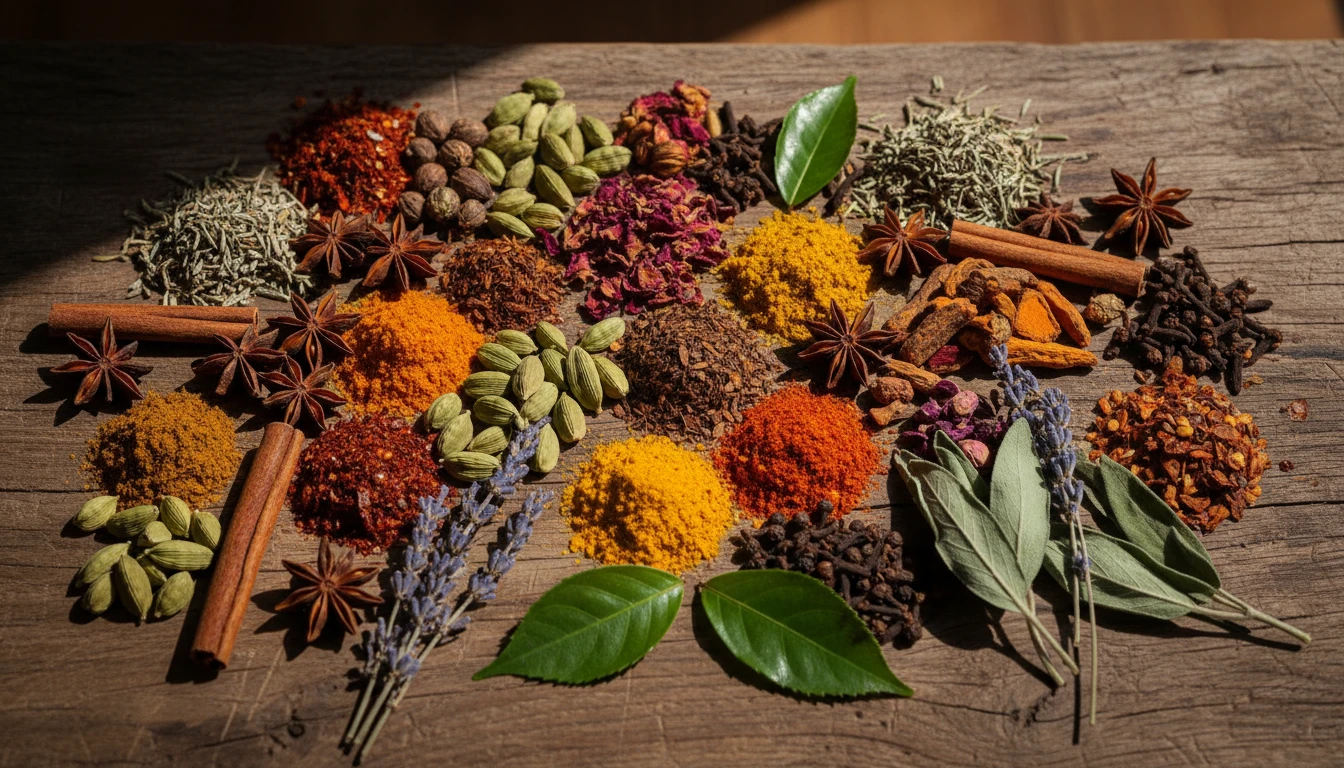
The concept of 'terroir'—the idea that food tastes of the specific place it was grown—has long been associated with wine, coffee, and artisanal cheese. Now, it's being applied to Indian mithai. A besan ladoo made with gram flour from a specific region, sweetened with palm jaggery from another, and infused with spices grown in a particular climate carries the essence of those places within it. This shift encourages a more discerning palate, one that can appreciate the subtle differences between, for example, a mango from Ratnagiri and one from Malda. By highlighting provenance, these new-age sweets are educating consumers about India's incredible biodiversity and rich agricultural tapestry, one delicious bite at a time. The result is a product that feels grounded, authentic, and thoughtfully crafted.
More Than Just a Sweet Treat
This ingredient-forward trend has implications that reach far beyond the kitchen. By creating demand for lesser-known regional produce, these sweet makers are providing new economic opportunities for farmers and helping to preserve agricultural biodiversity. In a world of standardised crops, celebrating unique, indigenous ingredients is a powerful act. Furthermore, the trend is reshaping consumer expectations. Health consciousness is a significant driver, with many brands using natural sweeteners like jaggery and dates, or incorporating nutrient-dense millets. This move towards 'permissible indulgence' proves that mithai can be both traditional and modern, nostalgic and innovative, celebratory and mindful—all at once.