








The Old Vacation Is Over
For decades, the Indian vacation followed a familiar script: save up for months, plan meticulously, and take one long annual trip. But for a growing number of young Indians, that model is broken. In its place is the 'micro-break' or 'micro-cation'—a short,
purposeful trip lasting anywhere from one to four nights. This isn't just a shorter version of a traditional holiday; it's a completely different approach. Reports show that a significant majority of Gen Z travellers in India, around seven in ten, now prefer taking multiple short trips over one long one. This shift from a once-a-year event to a regular lifestyle habit is reshaping India’s travel landscape.
A Generation Defined by Burnout
A primary driver of this trend is the pervasive issue of workplace burnout. Recent surveys reveal that a high percentage of Indian Gen Z and millennials report feeling exhausted by their work lives. Travel is no longer just for leisure; it has become a coping mechanism and a necessary tool for mental well-being. Mental health experts note that people are actively seeking temporary exits from the stress of daily routines, viewing rest not as a luxury but as essential maintenance. Micro-breaks offer a powerful antidote. These quick getaways provide a chance to disconnect, break from routine, and recharge the mind without the logistical complexity of a long vacation. The goal is less about seeing every sight and more about finding a moment to reset.
The New Economics of Travel
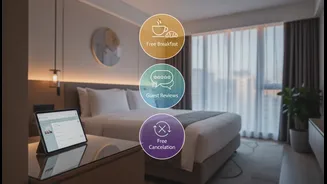
Beyond wellness, practical economics make micro-breaks appealing. While a two-week holiday requires significant savings, a weekend getaway is far more attainable for young professionals. This financial accessibility allows for more frequent travel throughout the year, fitting smaller trips into a monthly budget rather than an annual one. The rise of flexible payment options has further fuelled this spontaneity. This doesn't mean travellers are cutting corners on quality. In fact, reports suggest that on these shorter trips, people are often willing to spend more on premium experiences and comfortable stays, such as four and five-star properties, even if it's just for a couple of nights.
Spontaneity in the Digital Age
Technology and changing work cultures have been major enablers. Digital booking platforms have made it easier than ever to plan and book a trip on short notice, with a significant number of travellers booking flights and hotels just days before departure. The rise of remote and hybrid work models also gives many young Indians the flexibility to extend a weekend without dipping into their limited leave allowance. This generation values spontaneity; for many, the absence of a rigid plan is the plan itself. Travel is becoming more about pursuing unique, personal experiences—like attending a music festival or exploring a spiritual destination—rather than following a pre-planned itinerary. Destinations are often chosen based on a specific stay discovered online or an experience they wish to have, making the journey deeply personal.