





Prioritise Daily Cleaning and Drying
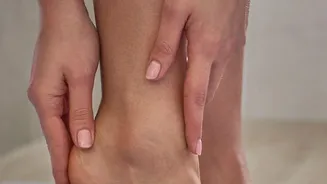
The most fundamental step in preventing fungal infections is maintaining a strict hygiene routine. Whenever you return indoors after walking through rain or puddles, wash your feet thoroughly with a mild soap and warm water. Fungi and bacteria thrive
in moist environments, so the most critical part of this process is drying. Use a clean, dedicated towel to pat your feet dry, paying special attention to the spaces between your toes, where moisture often gets trapped. Leaving this area damp provides an ideal breeding ground for fungi like the one that causes athlete's foot.
Choose Your Footwear Wisely
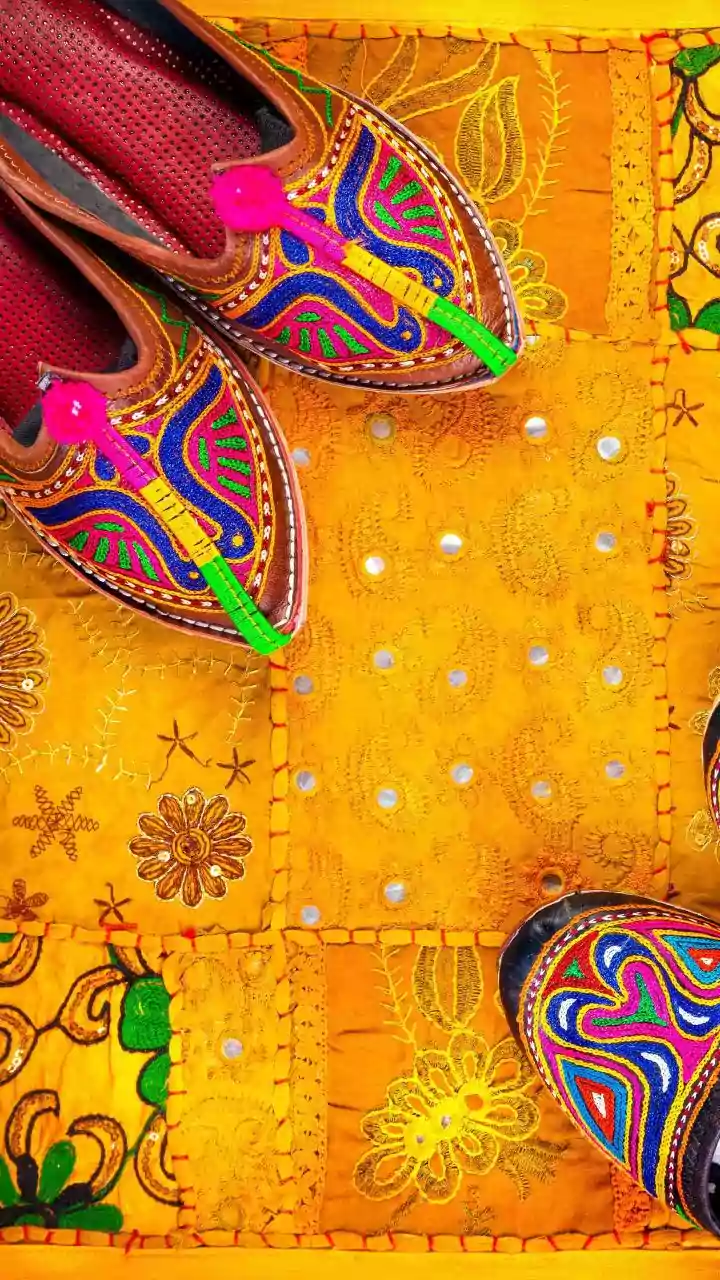
Your choice of footwear plays a significant role in monsoon foot health. Avoid closed shoes made of materials like leather or canvas, as they absorb water and take a long time to dry, creating a haven for bacteria and fungi. Instead, opt for open, waterproof footwear like rubber sandals, floaters, or flip-flops that allow your feet to breathe and water to drain away easily. If you must wear closed shoes for work, try to keep a spare dry pair at the office to change into. It is also wise to alternate between pairs of shoes, giving each pair at least 24 hours to dry out completely before wearing them again.
Make Smart Sock Choices
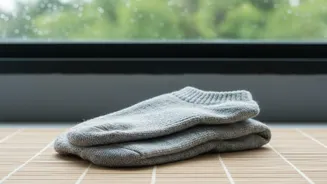
If wearing socks is unavoidable, always choose clean, dry ones. Cotton socks are a good choice as they are breathable and absorb sweat effectively. Some experts also recommend synthetic blends designed to wick moisture away from the skin. The key is to change your socks as soon as they get wet or feel damp. Carrying an extra pair with you is a practical habit during the monsoon, allowing you to swap out wet socks for dry ones and significantly reduce your risk of skin issues.
Incorporate Protective Habits
A few simple habits can provide an extra layer of defence. After drying your feet, consider applying an antifungal powder or even a simple talcum powder. This helps absorb any lingering moisture and sweat throughout the day. Proper nail care is also important; keep your toenails trimmed short and clean to prevent dirt and germs from accumulating underneath them. Once a week, you can treat your feet to a soothing soak in warm water with a bit of salt or antiseptic liquid for about 10-15 minutes. Follow this up by gently exfoliating with a pumice stone to remove dead skin cells.
Recognise the Warning Signs
Being vigilant for the early symptoms of a fungal infection allows for prompt action. Common signs of athlete's foot include persistent itching, stinging, or a burning sensation, especially between the toes. You might also notice the skin becoming scaly, cracked, or starting to peel. Other potential issues during the monsoon include bacterial infections, which can cause painful boils, and persistent foot odour, which can also be a sign of a fungal or bacterial problem. If you notice any of these symptoms, especially if they persist or worsen, it's best to consult a doctor.