




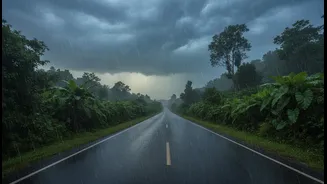


The Danger of a 'General Idea'
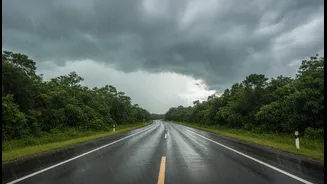
Many travellers operate on a general idea of the monsoon: it rains from June to September. While true, this broad understanding is dangerously incomplete. The real risks don't come from gentle showers but from localised, intense weather events that can
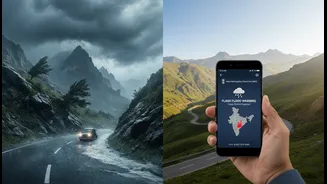
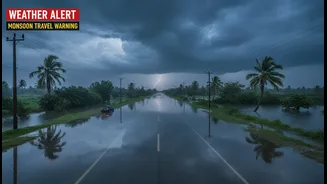
unfold with frightening speed. A seemingly clear morning can turn into an afternoon of torrential downpour, leading to flash floods, waterlogged roads, and landslides that can cut off routes for hours or even days. Recent monsoon seasons have seen highways blocked in Himachal Pradesh, flash floods in Uttarakhand, and travel disruptions in popular destinations like Munnar and Darjeeling. Relying on the assumption that you know what to expect is no longer enough; the weather patterns are becoming more intense and unpredictable.
Your Official Safety Toolkit
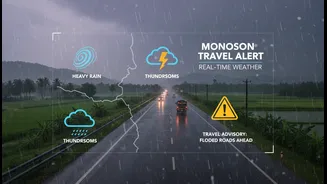
The India Meteorological Department (IMD) provides a suite of free tools designed to offer precise, real-time weather intelligence. These are not just for farmers or disaster management teams; they are essential for any traveller. The primary resource is the official 'Mausam' app, available for both Android and iOS. This app provides location-specific forecasts, radar imagery, and alerts for over 450 cities. For lightning, a major risk during the monsoon, the 'Damini' app gives advance warnings for lightning strikes within a 20-40 km radius. For hyper-local information, the IMD's 'MausamGram' portal offers forecasts for specific villages and PIN code areas. Before and during your trip, these official sources should be your primary guide.
Decoding the IMD's Colour Alerts
The IMD uses a simple four-colour system to communicate the severity of expected weather, which is crucial for any traveller to understand. Green (All is well): No severe weather is expected. Proceed with your plans. Yellow (Be aware): This indicates the potential for bad weather that could cause disruptions. It's a sign to be vigilant, check your route, and be prepared for possible delays. Orange (Be prepared): An orange alert is a serious warning. It signals extremely bad weather is likely, with a high potential for disruptions to transport and power. For travellers, this is a strong cue to reconsider plans, avoid vulnerable areas, and prepare for significant delays. Red (Take action): This is the highest level of alert, issued when severe weather is expected to cause major disruption and pose a significant risk to life. Under a red alert, non-essential travel should be avoided entirely.
From Forecast to Practical Planning
Knowing the forecast is only the first step; applying it is what ensures safety. If an orange or red alert is issued for your destination or the route to it, that's a clear signal to adjust your plans. Check for advisories from local authorities, as they may close roads or restrict tourist movement in landslide-prone or flood-prone areas. Even a yellow alert should prompt a practical review of your itinerary. Are you planning to drive through a hilly region known for landslides? Will your route take you across riverbeds that could flood? A forecast for heavy rain means you should build extra buffer time into your schedule, avoid driving through waterlogged streets, and have backup accommodation options in case you get stranded.
Beyond the Weather App
While IMD's tools are invaluable, supplement them with on-the-ground intelligence. Before heading out, talk to your hotel staff or local contacts about specific road conditions. Landslides or waterlogging can be highly localised. Pack for the monsoon with essentials like a power bank, a flashlight with extra batteries, a basic first-aid kit, and waterproof bags for your electronics and documents. Driving during the monsoon requires extra caution: slow down, maintain a safe distance, and never attempt to cross a flooded road, as the water can hide deep potholes or other dangers. The goal is to enjoy the monsoon's beauty responsibly, with full awareness of its power.