




Think of the aftermath of a joyful celebration: heaps of plastic streamers, metallic balloons, and glittery banners. Now, imagine a more beautiful and sustainable alternative. Handwoven fabrics offer a rich, reusable solution to festive waste.
The Short Life of Single-Use Decor
From birthday
parties to festive gatherings, single-use decorations have become a staple. They're cheap, convenient, and colourful. However, their lifecycle is alarmingly short, often used for just a few hours before being discarded. Made primarily from petroleum-based materials, these plastics take hundreds of years to decompose. Instead of biodegrading, they break down into tiny microplastics that contaminate soil and water, posing a threat to ecosystems and wildlife. The production and incineration of these plastics also release significant greenhouse gases, contributing to climate change. While festive, the environmental price of this throwaway culture is undeniably high, turning momentary celebrations into a long-term waste problem.
The Handwoven Advantage: Style Meets Sustainability
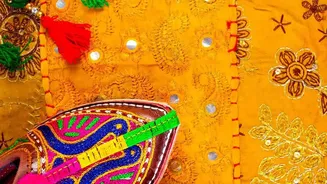
Shifting to handwoven fabric decor isn't about sacrifice; it's an upgrade. These textiles bring warmth, texture, and a sense of history that mass-produced plastic cannot replicate. Handloom fabrics are inherently sustainable, supporting artisan communities and preserving ancestral weaving techniques passed down through generations. Unlike their plastic counterparts, they are durable and designed for longevity. A beautiful piece of handwoven fabric isn't just a decoration; it's a story, carrying the touch of its maker and adding a layer of authenticity and character to your home. By choosing handwoven, you invest in timeless pieces that can be used and cherished for years.
Creative Swaps: Fabric Decor in Action
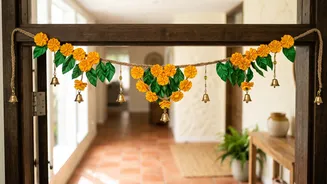
Replacing plastic decor with fabric is both easy and impactful. Instead of plastic banners, create reusable bunting from fabric scraps. Long swathes of vibrant cotton or sheer silk can be draped as stunning backdrops or ceiling canopies. Plastic tablecloths can be replaced with elegant handloom runners and placemats, instantly elevating your dining experience. Consider using Furoshiki, the Japanese art of fabric wrapping, for gifts instead of plastic-coated paper. For festive flair, fabric pom-poms or tassels can be used in place of balloons. These simple swaps not only reduce waste but also introduce a sophisticated and personalised touch to any event or interior space.
A Guide to Indian Handloom Textiles
India's rich textile heritage offers a vast palette for decor. Khadi, the hand_spun and hand_woven cotton, provides a rustic, textured feel perfect for table linens and simple backdrops. For a touch of sheer elegance, consider Chanderi or Kota Doria, lightweight fabrics that diffuse light beautifully when used as curtains. If you desire bold patterns, Ikat from Telangana or Gujarat, with its characteristic blurred designs, makes for striking cushion covers and wall hangings. Block_printed fabrics like Ajrakh and Bagru from Rajasthan offer intricate, earthy motifs ideal for creating runners, quilts, and unique upholstery accents. For pure opulence, Banarasi silk can be used for luxurious, statement_making drapes or throws.
Care and Storage for Lasting Beauty
The longevity of handwoven fabrics is one of their greatest assets, and proper care ensures they last for decades. Most cotton and linen items can be gently machine_washed in cool water, though hand_washing is always the safest option for delicate weaves or vibrant natural dyes. Always use a mild detergent and avoid bleach, which can damage natural fibres. To prevent colours from fading, air dry fabrics in the shade rather than in direct sunlight. Silks and heavily embroidered pieces may require spot cleaning or professional dry cleaning. When the festivities are over, store your fabrics clean and folded in a cool, dry place, ideally in breathable cotton bags to protect them from dust and pests.