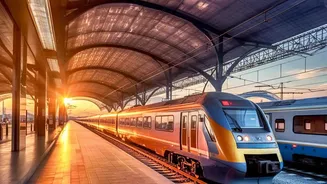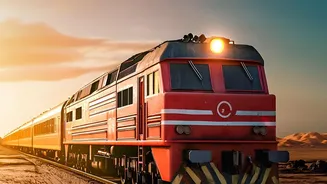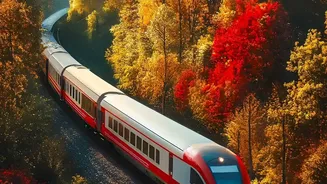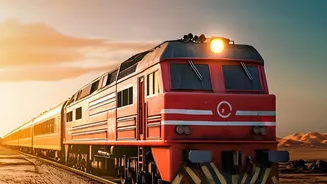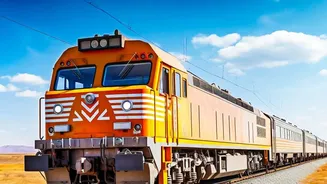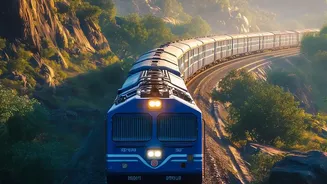





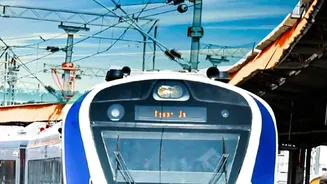
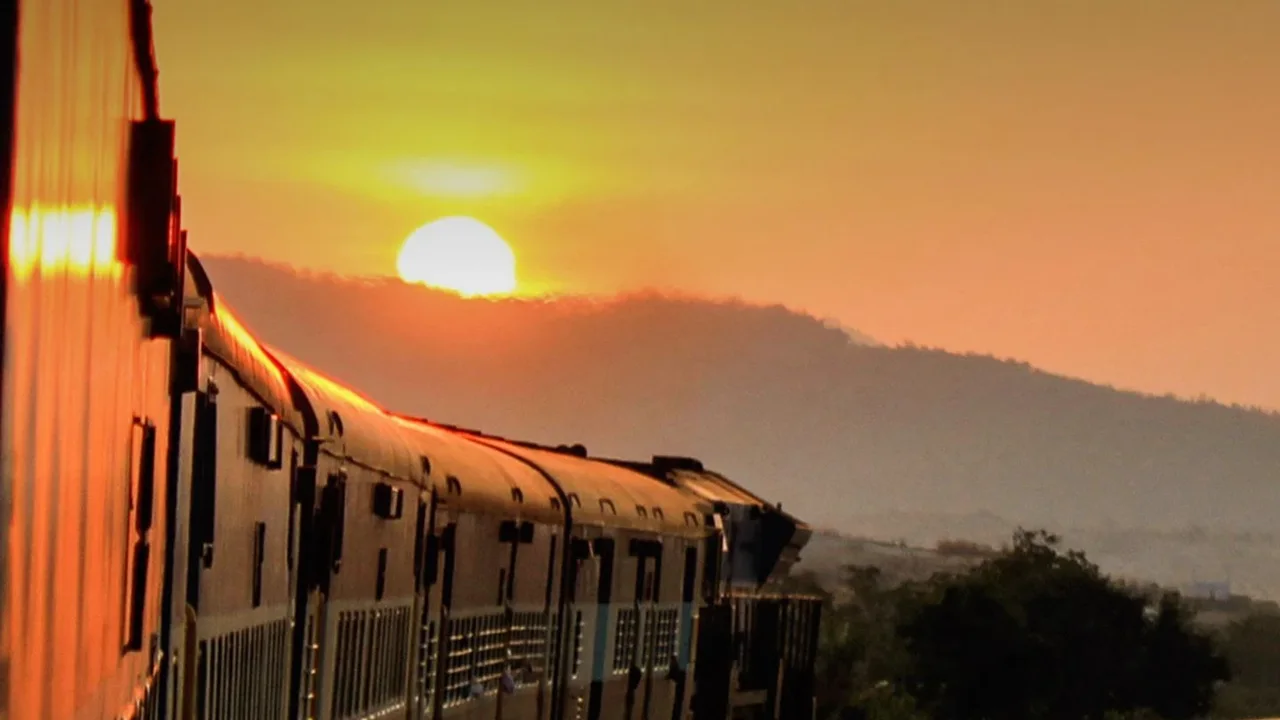
Imagine gliding through ancient landscapes in a vessel of modern engineering. The Vande Bharat Express in Rajasthan offers just that—a seamless journey connecting historic cities, where the view from the window is a rich tapestry of desert and history.
A New Era of Indian Travel
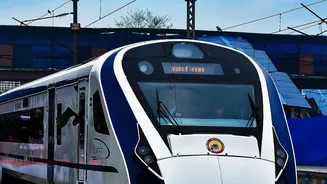
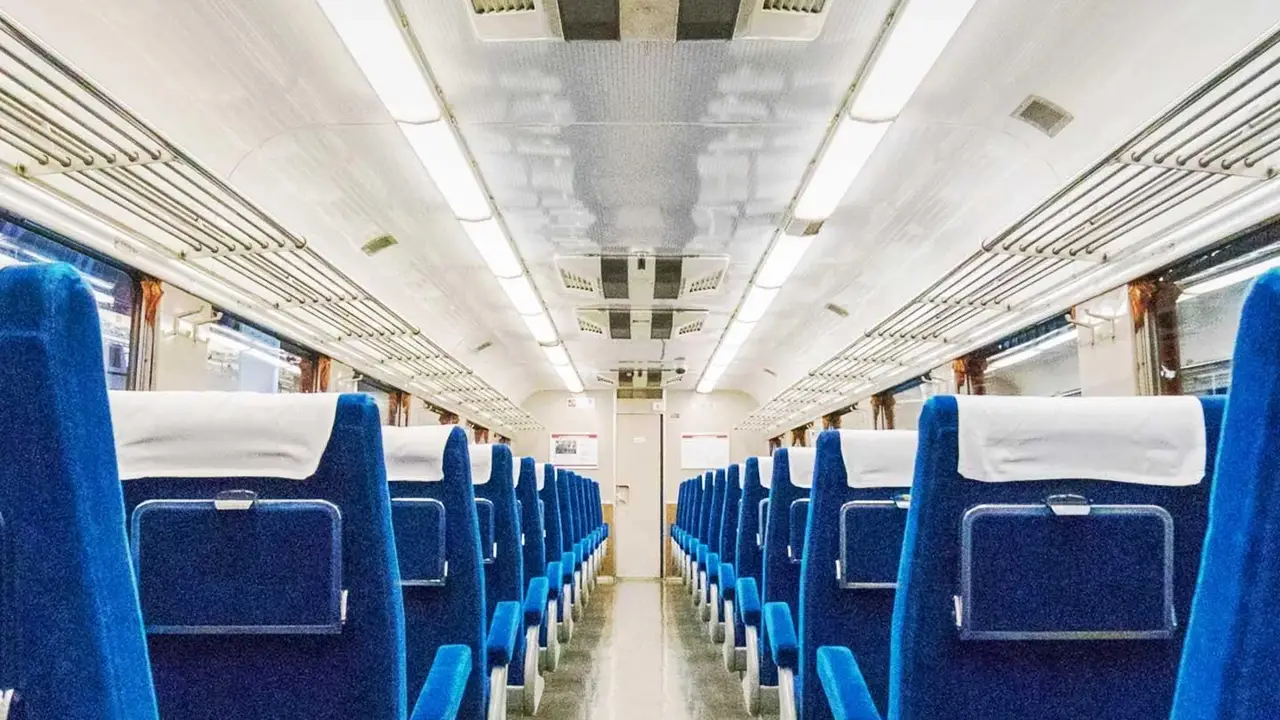
The Vande Bharat Express represents a significant leap forward for Indian Railways. These semi-high-speed, self-propelled trainsets are designed and manufactured in India, embodying the 'Make in India' initiative. Unlike traditional trains, they lack a separate engine, allowing for faster acceleration and deceleration, which reduces travel time considerably. With a focus on passenger comfort, these air-conditioned trains feature amenities like onboard Wi-Fi, GPS-based information screens, rotating seats in executive class, and large windows perfect for sightseeing. The introduction of these services in Rajasthan has transformed travel, blending 21st-century speed with the timeless allure of the region.
Connecting the Kingdom of Colours
As of late 2026, several Vande Bharat routes crisscross Rajasthan, linking its major cities with each other and the rest of the country. Key services include the route connecting Ajmer to Chandigarh via Jaipur and Delhi, and the popular Jodhpur to Sabarmati (Ahmedabad) line. In September 2025, two more trains were added, connecting both Jodhpur and Bikaner to Delhi, further enhancing connectivity for tourists, traders, and daily commuters. These routes are strategically planned to boost tourism and commerce, connecting hubs like the 'Pink City' of Jaipur, the 'Blue City' of Jodhpur, and pilgrimage sites like Ajmer with major metropolitan areas.
The Journey from Jodhpur to Sabarmati
One of the most scenic journeys is the Vande Bharat service from Jodhpur to Sabarmati in Gujarat. The train departs from the historic city of Jodhpur and slices through the arid landscapes of the Thar Desert. Passengers are treated to expansive views of sand dunes and the sparse, hardy vegetation unique to the region. The route includes stops at Pali Marwar and Falna before reaching Abu Road, the gateway to the hill station of Mount Abu. As the train continues towards Gujarat, the sandy terrain gradually gives way to greener landscapes, offering a study in contrasts before arriving at Sabarmati, near Ahmedabad. This six-hour journey showcases the diverse geography of Western India from the comfort of a state-of-the-art train.
More Than Speed: The Onboard Experience
What sets the Vande Bharat apart is the attention to the passenger experience. The large, sealed windows minimise track noise and offer panoramic views, making the landscape an integral part of the journey. The coaches are equipped with modern amenities, including bio-vacuum toilets for improved hygiene, automatic doors for safety, and CCTV cameras. Catering services are included in the ticket, though passengers can opt out. For those in the executive class, the 180ndegree rotating seats allow for a flexible travel experience, whether one wishes to face the window or converse with fellow travellers. This focus on comfort ensures that the journey is as memorable as the destination itself.
A Boost for Tourism and Economy
The introduction of Vande Bharat trains has provided a significant stimulus to Rajasthan's tourism and local economies. By reducing travel time—for instance, the Delhi–Ajmer route is about an hour faster than the Shatabdi Express—these trains make weekend trips and multi–city tours more feasible. Tourists can now comfortably travel between major sights in Delhi, Jaipur, and Jodhpur. Beyond tourism, the trains benefit traders, such as those in Makrana's marble industry or Sambhar's salt trade, by providing faster and more reliable connectivity to major markets. It's a clear example of how modern infrastructure can unlock the economic potential of a region while making it more accessible to the world.