








Beyond the Daily Total: The Power of Pacing
The first step in rethinking your protein strategy is to look beyond a single daily number. While the Recommended Dietary Allowance (RDA) is 0.8 grams of protein per kilogram of body weight, this is the minimum to prevent deficiency, not the optimal amount
for thriving. [1, 5, 12] Many experts now suggest active individuals aim for 1.2 to 2.2 grams per kilogram. [3, 14, 23] However, the real game-changer isn't just hitting a higher number, but distributing it evenly throughout the day. Your body can't effectively use a massive 80-gram protein dinner if you've only had 10 grams combined at breakfast and lunch. [17, 20] Research shows that spreading your intake out helps manage appetite, preserve muscle, and improve performance. [3, 8, 17]
The 25-40 Gram Rule Per Meal
To maximise muscle protein synthesis (MPS)—the process of building and repairing muscle—it's more effective to consume protein in distinct, well-spaced meals. [3, 11] The current consensus suggests aiming for 25 to 40 grams of high-quality protein per meal. [8, 10, 21] Consuming protein this way, roughly every 3 to 4 hours across three or four meals, provides a steady supply of amino acids for your muscles. [3, 11] Studies have shown this approach is more effective for stimulating MPS over a 12-hour period than having smaller, more frequent snacks or one or two huge meals. [3, 24] This is what's often called 'protein pacing,' and it's a fundamental shift from just tracking daily totals.
Meet the Leucine Threshold
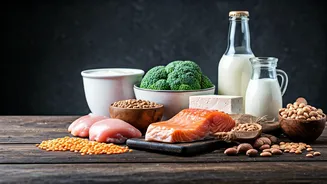
Not all protein is created equal, and a key reason is an amino acid called leucine. Leucine acts as a primary trigger for muscle protein synthesis. [4, 13] To effectively 'flip the switch' on muscle building, each meal needs to contain about 2.5 to 3 grams of leucine. [10, 19, 22] This is known as the 'leucine threshold'. [4, 10] Animal-based proteins like whey, dairy, eggs, and lean meats are rich in leucine and help you hit this target easily within a 25-40 gram serving. [9, 15] Plant-based proteins generally have lower leucine content, so achieving this threshold may require larger portions or combining different plant sources (like beans and rice) to ensure a complete amino acid profile. [2, 7, 18]
The Anabolic Window Is Wider Than You Think
For decades, gym-goers have rushed to chug a protein shake within 30 minutes of their last rep, fearing they'd miss the 'anabolic window'. Recent research has debunked this urgency. While your muscles are more receptive to protein after a workout, this enhanced state lasts for many hours, not just a few minutes. [26, 27, 28] A meta-analysis by Schoenfeld and Aragon found that the supposed timing effect largely disappears when total daily protein intake is sufficient. [28] What matters more is your overall daily intake and consistent meal spacing. [14, 29] If you had a protein-rich meal a couple of hours before training, there's no need to panic. The exception is if you train in a fasted state; in that case, consuming protein within an hour or two is beneficial. [28, 29]