




Tyres: Your Most Critical Upgrade
The single most important modification for the Manali-Leh route is a set of robust tyres. Standard highway tyres are not sufficient for the abuse this journey entails, which includes sharp rocks, gravel stretches, and potential snow patches at high passes.
Opt for All-Terrain (AT) tyres with a strong sidewall and deep treads; they offer a crucial balance of on-road stability and off-road grip. Ensure all five tyres (including the spare) have at least 70-80% of their tread life remaining. An old or worn-out spare is a common point of failure. Consider tyres with harder rubber compounds, as they tend to withstand abuse better, even if they offer slightly less grip than softer performance tyres. Finally, carry a quality tubeless puncture repair kit and a reliable 12V air compressor, as tyre shops are non-existent for long stretches.
Suspension and Ground Clearance
Good ground clearance is your best defence against the route's notorious underbelly-scraping sections and water crossings. While not all cars require a suspension lift, vehicles with lower clearance will struggle. A thorough suspension check is mandatory; weak shock absorbers or worn-out bushings will not survive the constant jolts from broken tarmac and rocky paths. If your vehicle is frequently bottoming out during regular driving, investing in a suspension upgrade or heavy-duty shocks is a wise decision for this trip. This enhances stability and control on uneven surfaces, making the drive safer and more comfortable.
Engine and Drivetrain Protection
The late monsoon means unpredictable water crossings, with levels often rising in the afternoon due to glacial melt. Protecting your engine is vital. A snorkel is highly recommended as it raises the engine's air intake, preventing catastrophic water entry and engine hydrolock during deep water crossings. Equally important is underbody protection. An engine sump guard and a fuel tank guard made of metal will shield these vulnerable components from rocks and debris kicked up on the trail. Also, consider installing differential breathers. These inexpensive kits extend the breather tubes for your axles, gearbox, and transfer case to a higher point, preventing water from contaminating the oils when submerged.
Brakes, Battery, and Electricals
The journey involves long, steep descents from high passes, which puts immense strain on your brakes. Ensure your brake pads have plenty of life, top up the brake fluid, and have the entire system inspected for any weakness. After passing through water, gently tap the brakes to help dry them out. The cold temperatures at high altitudes can drain batteries, so ensure your battery is in good health and the terminals are clean. For added security, especially during late monsoon water crossings, take basic waterproofing measures for your electricals. Use silicone sealant or dielectric grease around the distributor cap and other critical electrical connectors to protect them from moisture.
A Full Service and Essential Spares
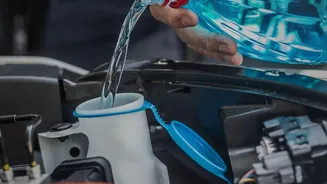
Before you leave, get your vehicle fully serviced by a trusted mechanic. This should include changing the engine oil (synthetic oil performs better at temperature extremes), coolant, and all filters (air, oil, fuel). A clogged air filter is a common cause of power loss at high altitudes. Beyond service, carry essential spares. This includes extra fuses, a spare fan belt, clutch and accelerator cables, and at least 10-20 litres of spare fuel in metal jerry cans, as the stretch between Tandi and Leh is one of the longest without a fuel pump. A jump starter or heavy-duty jumper cables can be a lifesaver on cold mornings.