




Understanding Karat Purity
Before diving in, let's clarify what 'Karat' or 'K' means. Karat is the unit used to measure the purity of gold. The scale runs from 0 to 24. Therefore, 24K gold is the purest form you can get, containing 99.9% pure gold. Anything less than 24K means the gold has
been mixed with other metals, known as alloys. For instance, 22K gold consists of 22 parts pure gold and two parts other metals like copper, silver, or zinc. This equates to 91.67% pure gold, which is why it is often hallmarked with the number 916.
The Case for 24K Gold: Absolute Purity
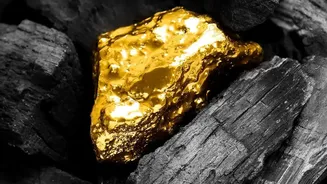
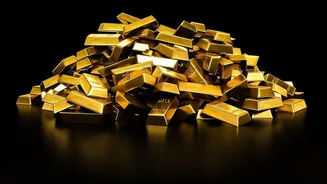
24K gold is gold in its most unadulterated state. Its primary advantage is its intrinsic value; you are getting almost 100% gold. This makes it the preferred choice for investment purposes, such as in the form of coins and bars. Aesthetically, 24K gold has a distinct, vibrant, and rich yellow colour that is unmistakable. However, its purity comes with a significant drawback for jewellery: it is extremely soft and malleable. This softness means it can bend, scratch, and deform very easily, making it impractical for items that are worn regularly.
The Strength of 22K Gold: Practical Durability
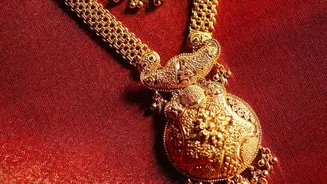
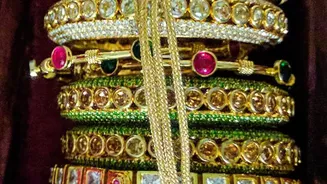
This is where 22K gold shines. By mixing 8.33% of other metals like copper, silver, or zinc, the resulting alloy is significantly harder and more durable than pure 24K gold. This added strength is not a flaw; it's a feature. It allows jewellery to withstand the rigours of daily wear without easily getting dented or scratched. This makes 22K gold the standard and most popular choice for jewellery in India, from bangles and necklaces to intricate earrings. It strikes an excellent balance between high purity and the practical strength needed to hold its shape and secure any embedded gemstones.
Which is Better for Daily Wear?
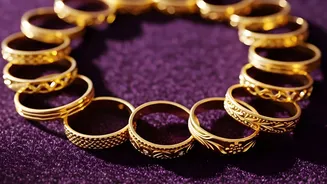
For daily wear, 22K gold is the undisputed winner. Its durability means rings won't easily warp out of shape and chains are less likely to break. While some argue that well-crafted 24K jewellery can be worn daily with care, it remains highly susceptible to damage. If you lead an active lifestyle or want a piece of jewellery you don't have to constantly worry about, 22K provides peace of mind without a major compromise on the look and feel of high-quality gold. For delicate items with intricate designs or stone settings, the hardness of 22K gold is essential to ensure the piece remains intact.
Cost and Investment Value
Naturally, 24K gold is more expensive per gram than 22K gold because it contains more pure gold. The price difference is generally proportional to the purity difference of about 8-9%. From an investment standpoint, 24K gold bars and coins are preferred as you are paying for pure metal without added 'making charges' that come with jewellery craftsmanship. However, 22K jewellery is also an excellent store of value. It has a high gold content, and because it is more durable, it is less likely to lose small amounts of weight over time due to wear and friction, which can happen with softer 24K pieces.