
The Rise of a Clutter-Free Aesthetic
In a world filled with constant digital noise and busy schedules, the home has become a sanctuary for peace and order. This has fuelled a desire for minimalist interiors, where clean lines and uncluttered surfaces help calm the mind. But minimalism doesn't
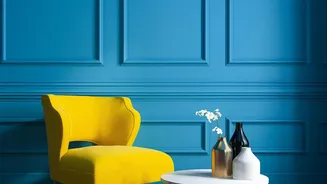
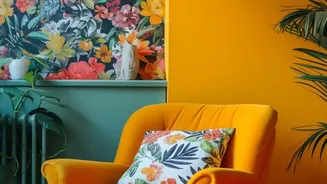
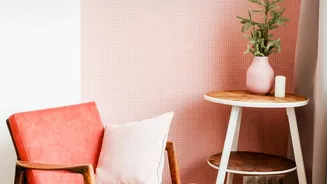
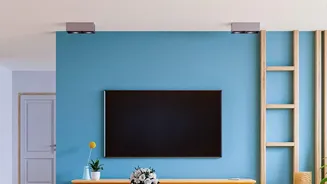
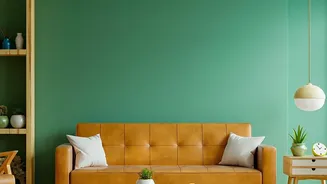
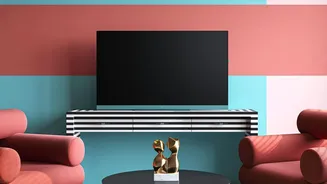
have to mean boring. The colour-blocking trend, using two solid shades to create graphic interest, has moved from the fashion runway to our walls. Instead of busy patterns that can feel chaotic, two-tone wallpaper uses the simple power of colour to create a statement that is both modern and tidy. It’s a technique that provides visual structure and personality without adding a single physical object to the room, making it the perfect solution for those seeking a clutter-free lifestyle.
What is Two-Tone Colour-Blocking?
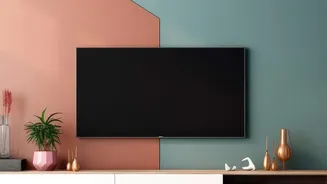
Colour-blocking is the strategic use of two or more distinct blocks of solid colour. In wallpaper and wall treatments, this often manifests as a 'two-tone' or 'half-painted' wall. The wall is divided—horizontally, vertically, or even diagonally—into two different colours. This isn't about creating a single accent wall; it's about making the wall itself a graphic element. The technique can be used to achieve several goals: to add a pop of colour without overwhelming a space, to create architectural interest where there is none, or to visually separate zones in an open-plan home. The effect is crisp, intentional, and refreshingly simple.
Creating the Illusion of Space and Order
One of the most powerful aspects of two-tone walls is their ability to manipulate the perception of a room's size and shape. A horizontal split with a darker colour on the bottom and a lighter shade on top can make ceilings appear higher, as the eye is naturally drawn upward. This is particularly effective in smaller apartments or rooms with low ceilings. Vertical stripes can make a room feel taller, while horizontal blocks can make a narrow hallway feel wider. This clever use of colour provides an architectural feel, similar to classic wainscoting, but with a modern and more affordable twist using just paint or wallpaper. By defining spaces with clean lines, it imparts a sense of order and calm.
How to Choose Your Colours
The success of a two-tone wall depends heavily on the colour combination. For a subtle, sophisticated look, you can use two different tones of the same colour, such as a light sage green paired with a deep forest green. This creates depth without a jarring contrast. For a more energetic and modern feel, choose complementary colours (those opposite each other on the colour wheel), like a deep navy blue with a crisp white or soft blush. Neutral combinations, like beige and white or shades of grey, are a timeless choice that adds warmth and elegance while maintaining a minimalist feel. Before committing, always test samples in your room's natural and artificial light to see how they interact throughout the day.
Smart Applications Throughout the Home
This trend is incredibly versatile and can be adapted for any room. In a living room, a horizontal block of colour can anchor the space behind a sofa. In a bedroom, it can create a 'faux headboard' effect, adding a focal point without bulky furniture. Two-tone walls are also perfect for defining a small home office nook in a larger room or making a welcoming statement in an entryway. The dividing line doesn't have to be exactly in the middle; a split that is two-thirds of the way up the wall often looks more intentional and dynamic. You can even get creative with geometric shapes, like a large circle or arch, to frame a piece of art or a mirror, turning your wall into a canvas.