




The All-Important Digital Connection
The fundamental requirement for any successful workation is reliable internet, a challenge that many remote mountain areas struggle with. However, homestays in Sikkim catering to this new wave of professionals have made connectivity a priority. Many now
offer high-speed broadband, often with backup systems in place to counter the region's unpredictable weather and terrain. Power cuts, another common issue in the hills, are being addressed with inverters and generators, ensuring that a sudden outage doesn't derail a crucial client call or deadline. This investment in digital infrastructure is a direct response to the needs of tech workers, transforming quaint homes into viable, long-term remote offices.
An Office with a View
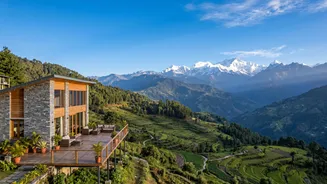
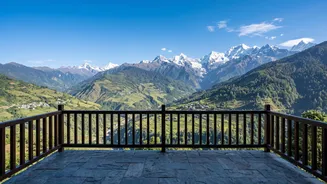
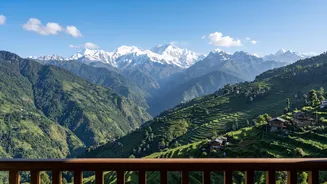
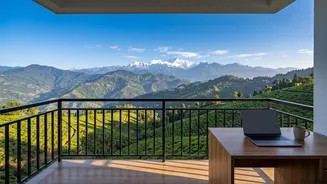
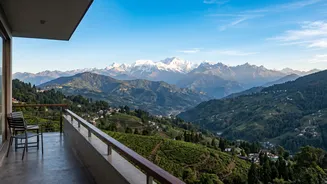
Beyond the technical specifications, the primary draw is the environment itself. Tech professionals, often escaping high-pressure urban jobs, find that the serene landscapes of Sikkim foster unprecedented focus and creativity. Instead of the drone of traffic, the workday is scored by birdsong and the whisper of the wind. Homestay hosts have adapted their spaces, often ensuring rooms have dedicated work desks with views of lush valleys or snow-capped peaks. This simple change of scenery has a profound impact on mental well-being, reducing stress and preventing the burnout so common in the tech industry. Morning walks replace crowded commutes, and screen breaks involve stepping out into crisp mountain air, not a cramped office pantry.
The Local and Authentic Experience
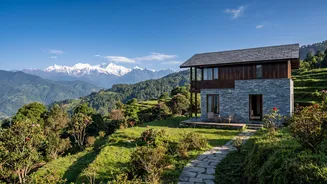
Unlike sterile hotels or co-working spaces, a homestay offers a deep cultural immersion that enriches the workation experience. Workers are not just tenants but guests in a family's home. Meals are often home-cooked, featuring organic produce sourced from the family's own garden or local markets. This provides a healthy, delicious alternative to city takeaways and offers a literal taste of Sikkimese culture. This setup also fosters a sense of community. Hosts often double as local guides, offering insights into traditions, festivals, and nearby hiking trails. For a tech worker sitting behind a laptop, this connection to the place and its people provides a grounding experience that a typical tourist trip rarely allows.
A Sustainable Model for Everyone
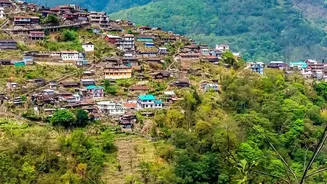
This trend is about more than just a change of scenery for office workers; it's a powerful engine for local economic development. Initiatives like 'Nomad Sikkim' in villages such as Yakten are formalizing this model, turning it into a sustainable form of tourism. Traditionally, tourism in Sikkim is highly seasonal, leaving homestay owners without income for months. By attracting long-stay digital nomads who can visit during the off-season, these homestays gain a steady, year-round revenue stream. This model, often developed in partnership with local administrations and NGOs, ensures that the benefits of this new work culture are shared directly with the community, creating a system where both the visitor and the host thrive.