





The Foundation: Start with Quality Rice
The journey to fluffy rice begins before you even open the packet. Not all basmati is created equal. For the best results, choose a good quality, aged basmati rice. Aged rice has a lower moisture content, which helps the grains stay separate and become
fluffier when cooked. Look for brands that specify 'aged' or 'extra-long grain' on the packaging, as this often indicates a superior product that is less likely to break or become mushy. While it might cost a little more, the difference in texture and aroma is well worth it for dishes where the rice is the star.
The First Commandment: Always Rinse
This is the most critical step and it is non-negotiable for achieving fluffy rice. Dry rice grains are covered in a fine powder of excess starch, created during the milling and transportation process. If you don't wash this off, the starch dissolves in the cooking water, creating a glue-like substance that causes the grains to stick together. To rinse properly, place your measured rice in a large bowl and cover it with cold water. Gently swirl the rice with your hands, and you’ll see the water turn milky. Carefully drain this cloudy water. Repeat this process three to four times, until the water runs mostly clear. This simple action is the single biggest secret to light, separate grains.
To Soak or Not to Soak?
While some cooks skip this step, soaking your rinsed rice is a game-changer that professional chefs swear by. Soaking for just 20-30 minutes allows the grains to hydrate evenly before they are exposed to heat. This pre-absorption of water helps the grains cook faster and more uniformly, preventing a common issue where the outside is mushy while the centre is still hard. It also helps the delicate grains stretch to their maximum length without breaking. After rinsing, simply cover the rice with fresh water and let it sit for about half an hour, then drain it thoroughly before cooking. Don't soak for much longer, as the grains can become too brittle.
The Golden Ratio: Water to Rice
One of the most common reasons for failed rice is using the wrong amount of water. While ratios can vary slightly depending on the age and brand of the rice, a reliable starting point for the stovetop absorption method is 1 cup of rice to 1.5 cups of water. This ratio assumes you have soaked the rice. If you don't soak it, you may need slightly more water, around 1.75 cups. It's crucial to resist the temptation to add more water than needed, as too much will result in a soggy, sticky mess. For brown basmati rice, the ratio is different; it typically requires more water, around 1 cup of rice to 2 cups of water.
Cooking with Care: The Absorption Method
The absorption method is a foolproof way to cook basmati rice. Use a heavy-bottomed pot with a tight-fitting lid to ensure even heat distribution. Combine your drained rice, water, and a pinch of salt. You can also add a small amount of butter or oil, which helps keep the grains separate. Bring the water to a boil over medium-high heat. As soon as it boils, give it one gentle stir, then immediately reduce the heat to the lowest possible setting, cover the pot tightly, and let it simmer for 10-15 minutes. The most important rule during this stage is not to lift the lid. Peeking lets the steam escape, which is essential for cooking the rice properly.
The Final Flourish: Rest and Fluff
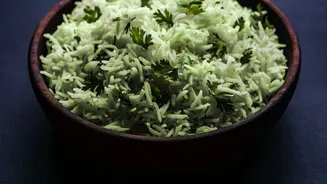
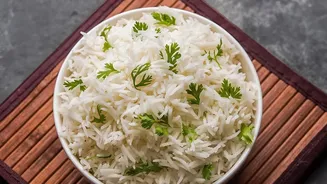
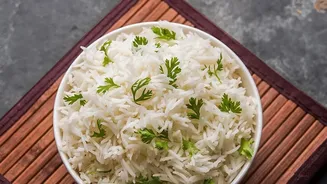
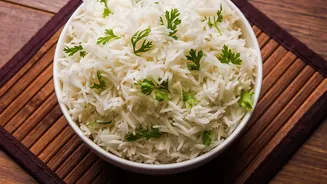
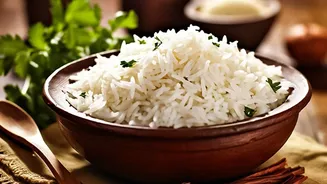
Patience is the final ingredient. Once the cooking time is up, remove the pot from the heat but keep the lid on. Let the rice rest undisturbed for another 5-10 minutes. This resting period is crucial, as it allows the residual steam to distribute evenly and firm up the grains, ensuring any remaining moisture is absorbed. Skipping this step can lead to rice that is wet and fragile. After resting, remove the lid. You'll see perfectly cooked rice. Use a fork, never a spoon, to gently fluff the grains. A fork separates the grains without mashing or breaking them. Your reward will be a pot of aromatic, perfectly fluffy basmati rice, ready to serve.