
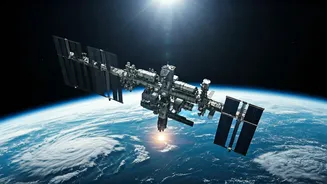
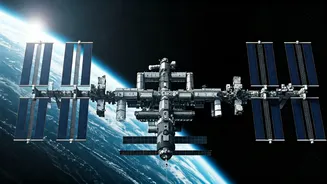


The Answer: A Palace in the Sky
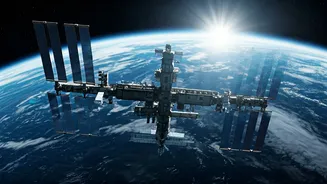
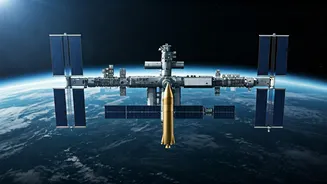
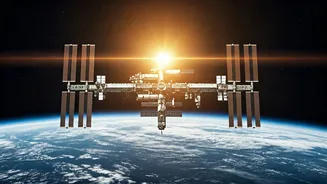
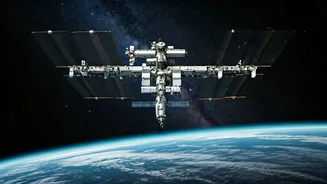
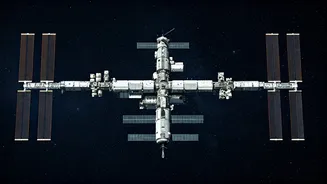
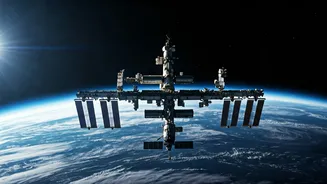
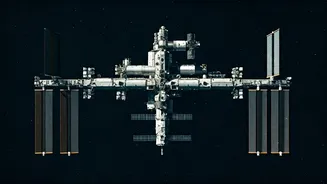
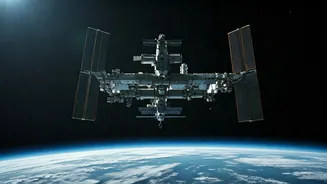
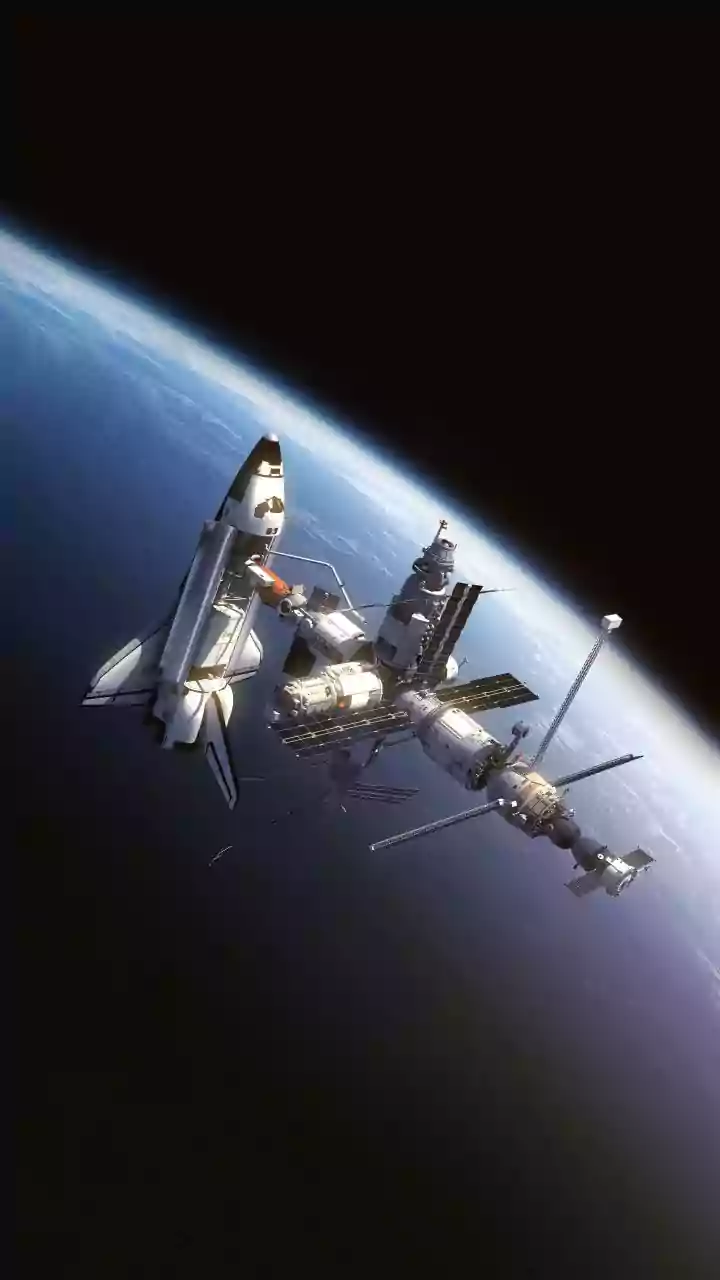
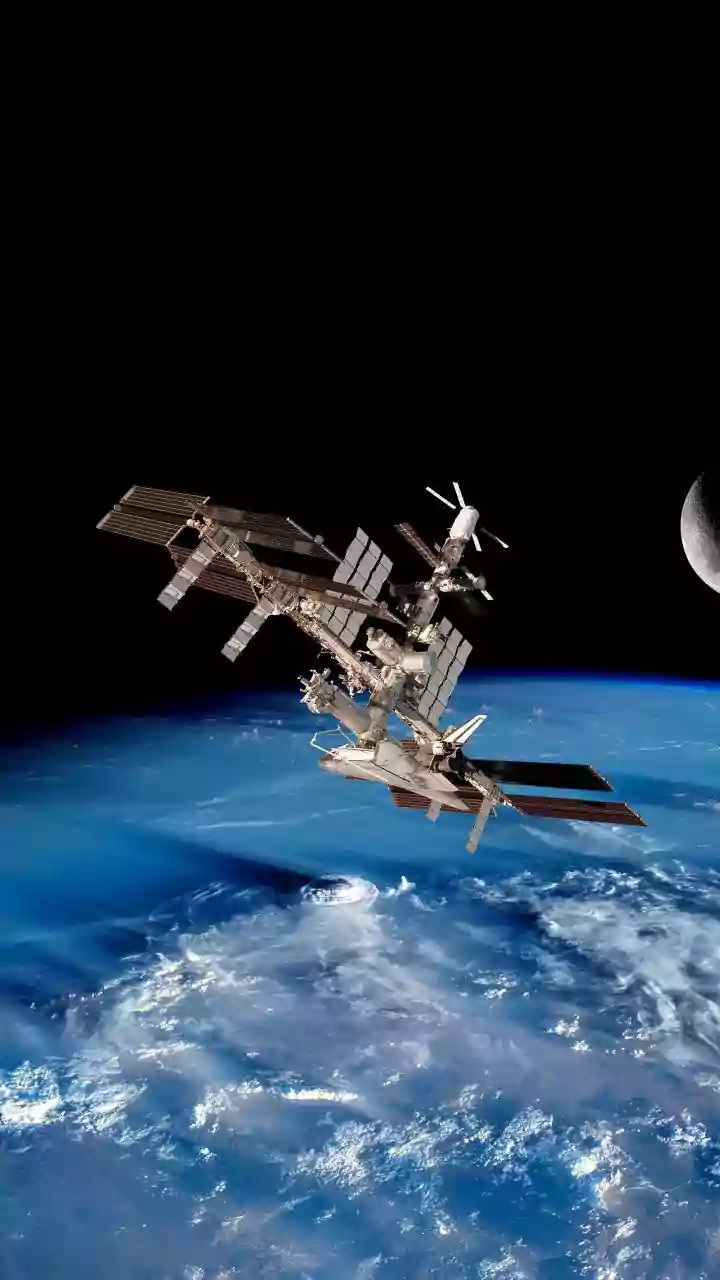
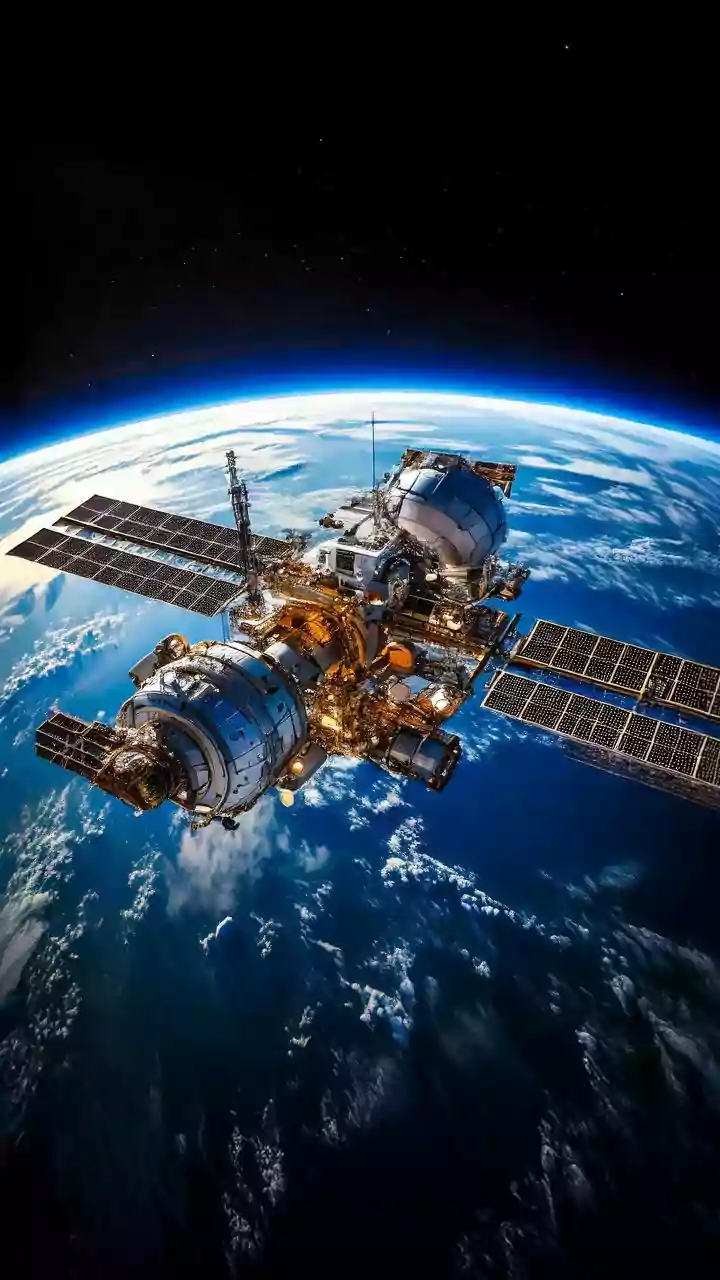
The most expensive object ever built is the International Space Station (ISS). With a price tag that is notoriously difficult to pin down but is consistently estimated at over $150 billion, it stands as a record-holder in human achievement and expenditure.
This cost surpasses the GDP of many nations. Acknowledged by Guinness World Records, the ISS is a sprawling laboratory and home in low Earth orbit, larger than a football field and glistening with massive solar arrays that make it visible to the naked eye from the ground. It continuously circles the planet at a speed of 28,000 kilometres per hour, completing a lap every 90 minutes.
An Unbelievable Price Tag Explained
Why does a space station cost so much? The $150 billion figure isn't just for a single launch. It represents the cumulative cost of one of the most complex engineering projects in history. A significant portion, around $60 billion, went into just designing and building the individual modules on the ground. Then came the transport costs. It took dozens of complex and expensive space missions, primarily using the Space Shuttle and Russian rockets, to carry these components into orbit for assembly. Think of it as building the world's most intricate LEGO set in zero gravity with astronauts as the construction crew. On top of that are the staggering annual operating costs, which run between $3 to $4 billion per year, to cover everything from life support and maintenance to scientific research and crew transportation.
Who Foots the Interstellar Bill?
No single nation could have afforded this monumental undertaking alone. The ISS is the result of an unprecedented global partnership, a joint project between five key space agencies: NASA (United States), Roscosmos (Russia), the European Space Agency (ESA), the Japan Aerospace Exploration Agency (JAXA), and the Canadian Space Agency (CSA). The project began in earnest in 1993, merging American and Russian space station plans after the Cold War. The costs are shared, with each partner contributing hardware, funding, or operational support. For instance, the USA provides the lion's share of funding, Russia provides key modules and transportation, Canada built the station's robotic arms, and Europe and Japan contributed state-of-the-art laboratory modules.
The Scientific Return on Investment
For its astronomical price, the ISS has delivered invaluable scientific returns. It is a one-of-a-kind laboratory for conducting long-duration research in microgravity. Scientists have made breakthroughs in medicine, studying diseases like Alzheimer's, cancer, and Duchenne Muscular Dystrophy by growing more perfect protein crystals in space. It has been crucial for understanding the effects of space travel on the human body, from bone density loss to vision changes, knowledge that is essential for future missions to the Moon and Mars. The station has also yielded technological innovations with direct benefits on Earth, including advanced water purification systems now used in disaster zones and new methods for drug development.
A Fiery End and a Lasting Legacy
After more than two decades of continuous human habitation, the aging station is nearing the end of its life. Its mission is planned to conclude around 2030. Bringing a 430-tonne structure down safely is another expensive challenge. NASA has awarded a contract worth up to $843 million for a specialized vehicle that will perform the station's final act: guiding it to a controlled deorbit over a remote part of the Pacific Ocean. Even in its retirement, the ISS sets records. Its legacy is twofold: a symbol of peaceful international collaboration on a massive scale and an engine of scientific discovery that pushed the boundaries of what is possible, both in space and for a project's budget.