

What is a Dark Sky Community?
For most urban dwellers, a sky full of stars is a distant memory, washed out by the constant glow of artificial lights. This light pollution is not just an aesthetic loss; it impacts wildlife and human health. A 'Dark Sky Community' is a town or village
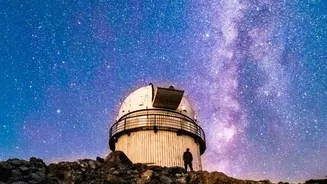
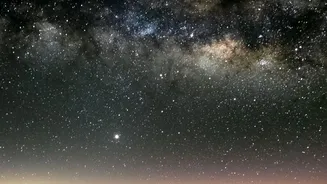
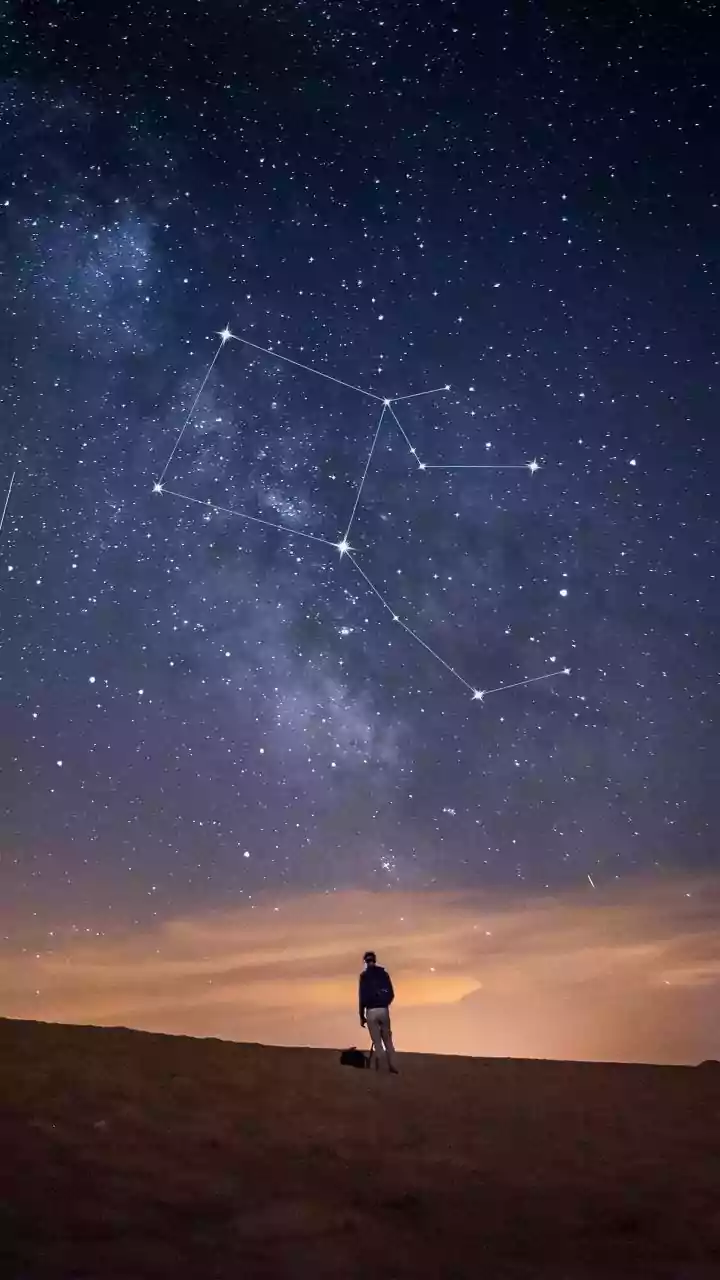
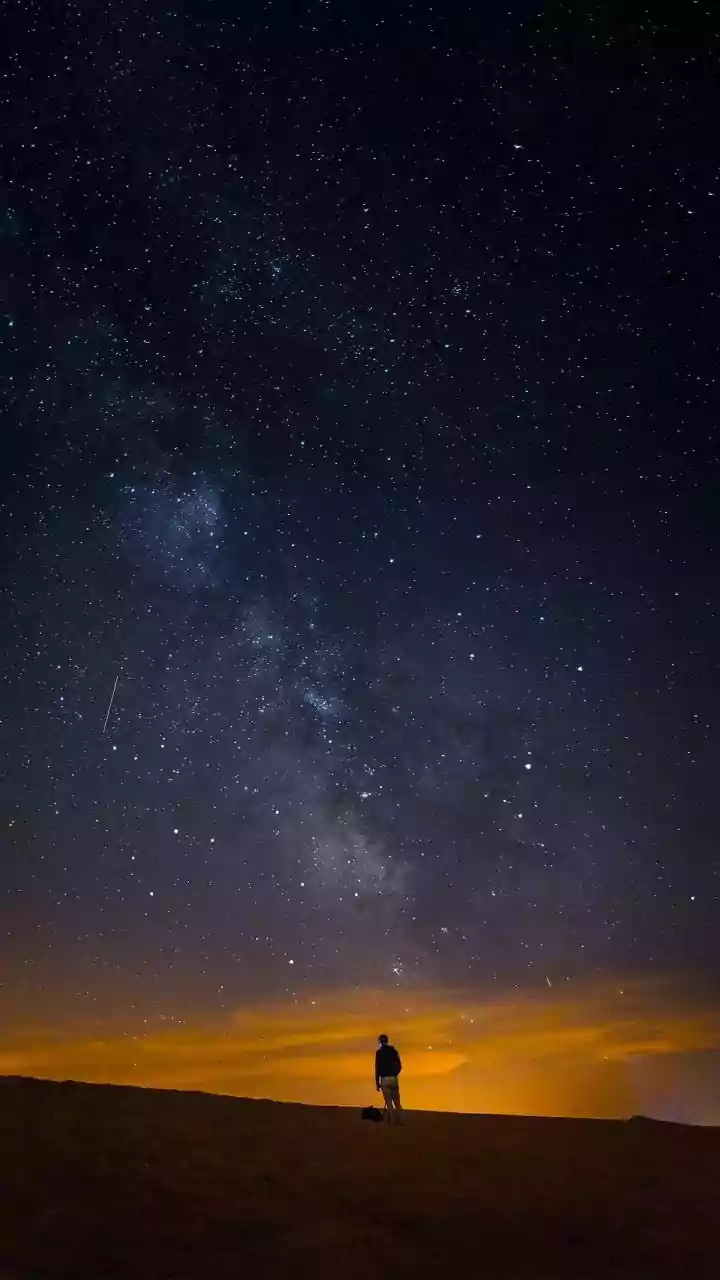
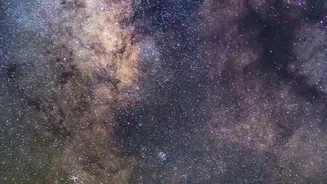
that makes a formal commitment to combatting this. Certified by the global body DarkSky International, these communities adopt smart lighting policies, such as using shielded fixtures that point light downwards, to reduce skyglow. The goal is to preserve the natural darkness of the night sky, making celestial wonders like the Milky Way visible to the naked eye again. This isn't just about pretty views; it's about protecting a natural resource.
Why Udmal is a Perfect Candidate
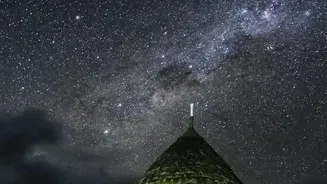
Located in the Surgana taluka of Nashik district, Udmal is a tribal village that has a significant natural advantage: it sits on a hilltop with very little artificial light nearby. This remoteness means its night sky is already exceptionally dark, a rarity in a rapidly developing state like Maharashtra. The initiative in Udmal is part of a broader statewide effort, which has identified 11 potential sites for dark sky preservation. What makes Udmal special is that the push is community-led. The village's Gram Sabha passed a resolution under the PESA Act to protect its dark skies, showing a grassroots commitment to the cause. This combination of a pristine environment and strong local support makes it a prime contender for official certification.
The Promise of Astro-Tourism
Achieving Dark Sky status isn't just an environmental victory; it's a significant economic opportunity. Astro-tourism is a growing niche market, attracting travellers who seek authentic, nature-based experiences away from commercialised hotspots. For Nashik, a region already popular with tourists, this adds a completely new dimension to its appeal. The plan involves more than just stargazing. It includes training local youth as astronomy guides, developing homestays, and creating educational programmes that connect tourism with science. The district administration has already sanctioned funds to support the project, which includes night-sky quality assessment and installing responsible lighting. This could create sustainable livelihoods for the local tribal community, turning their natural heritage into a source of income.
More Than Just Stargazing
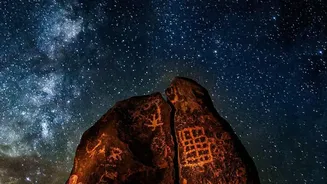
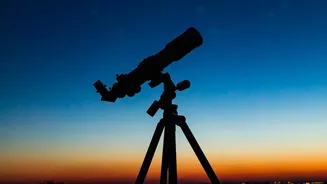
The vision for Udmal extends beyond simply looking through a telescope. Officials see an opportunity to weave in the region's rich cultural and historical connections to astronomy. For instance, the 12th-century mathematician and astronomer Bhaskaracharya is associated with the broader region. Even Nashik's famous Kumbh Mela has deep roots in astronomical calculations. By incorporating this heritage, the tourism experience can become deeper and more educational, offering visitors an introduction to traditional astronomical knowledge alongside modern stargazing. This approach helps diversify India's tourism portfolio, which often relies on seasonal attractions, as dark skies can be a year-round draw, especially between October and April.
The Road Ahead
While the ambition is high, the path to becoming an internationally certified Dark Sky Community is rigorous. It requires consistent effort in managing lighting, continuous community education, and demonstrating a long-term commitment to preservation. The initiative is backed by the Pune-based organisation AstronEra, which has signed an MoU with DarkSky International to guide such projects in India. As Maharashtra develops its own Dark Sky Policy, Udmal could become a model for other villages to follow. The effort reflects a growing understanding that darkness is not an absence of development, but a valuable resource that is worth protecting for its ecological, cultural, and economic benefits.