



The Bland Barrier of Wellness
Remember the early days of health food? The dense, dusty rice cakes and flavourless baked crisps that felt more like a punishment than a treat. For a long time, snacking existed in two separate universes: the delicious, indulgent world of fried chips
and sugary biscuits, and the virtuous-but-bland world of 'diet' foods. Consumers were forced to choose between pleasure and well-being. This created a significant barrier, as snacking is often driven by more than just hunger; it's linked to comfort, habit, and the brain's reward system. A snack that fails to provide sensory satisfaction is unlikely to become a repeat purchase, no matter how clean its ingredient list is.
Why Cravings Demand Satisfaction
The human brain is wired to seek pleasure, and when we eat something delicious, it releases dopamine, a feel-good chemical. This isn't just about taste. Texture plays an equally critical role. The sound and feeling of a crunch, for example, can signal freshness to our brains and even provide a form of stress relief. This multi-sensory experience is what makes a snack truly satisfying. When 'better-for-you' snacks ignored this, they failed to address the fundamental psychology of snacking. Consumers weren't just looking for nutrients; they were looking for a rewarding experience. A recent consumer study found that while 72% of Indians seek functional health benefits from snacks, a staggering 94% refuse to compromise on flavour to get them.
The Flavour and Texture Revolution
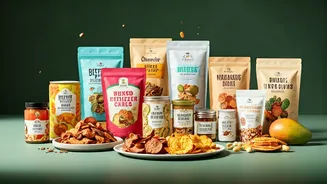
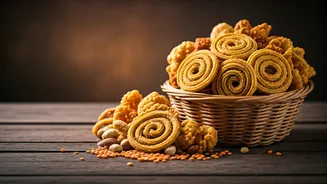
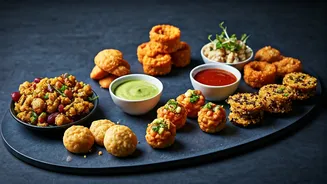
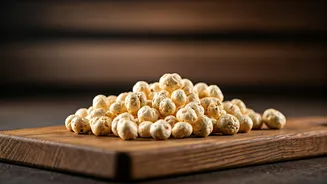
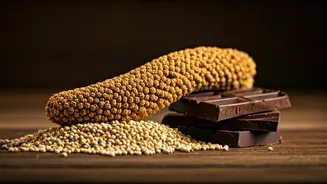
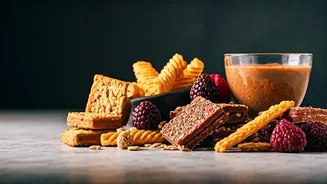
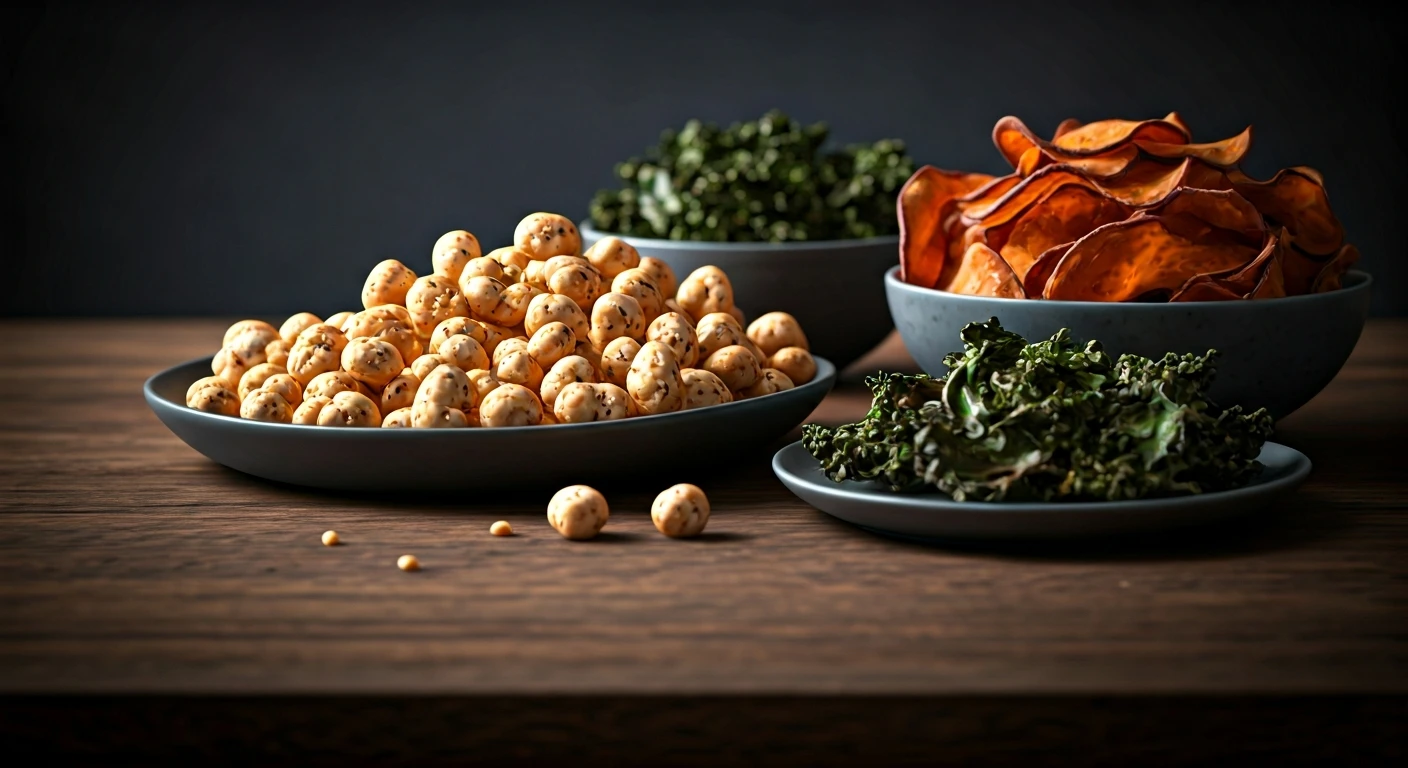
The game changed when brands realised that health and taste are not mutually exclusive. Food technology has played a huge role. Techniques like vacuum frying and advanced extrusion allow manufacturers to create incredible crunch and texture in snacks made from plant proteins, millets, and whole grains. On the flavour front, the focus has shifted from artificial additives to natural sources. Brands are now using bold spices, fruit purees, date pastes, and rock salt to create complex, exciting taste profiles. In India, this has led to a renaissance of familiar flavours in new, healthier formats. Think baked bhujia that keeps the spicy kick without the oil, or pani puri flavoured popped chips that deliver the beloved tangy taste in a high-protein form.
A New Chapter for Indian Snacking
The Indian healthy snack market is booming, with a projected growth rate of around 8-10% annually. This isn't just being driven by large corporations; a wave of innovative D2C brands is redefining the landscape. These companies are successfully reinventing traditional Indian snacks and ingredients for the modern, health-conscious consumer. Makhana (fox nuts), once a simple staple, are now available in fiery peri-peri flavours. Millets are being transformed into light, crunchy crackers, and nutrient-dense nuts and seeds are being roasted and seasoned to compete with classic fried snacks. This shift proves that consumers are eager for options that are both nourishing and genuinely enjoyable, aligning with a desire for clean labels and recognisable ingredients.