






The Hidden Dangers of Staying Still
Whether you are sitting or standing, holding a single posture for a prolonged period is known as maintaining a static posture. While it might seem harmless, it can inhibit blood flow, reduce the oxygen and nutrients delivered to your muscles, and cause
waste products to accumulate in your tissues. This can lead to muscle and joint pain, stiffness, and over time, may contribute to more serious issues like musculoskeletal disorders, heart disease, and diabetes. The human body is designed for movement. When we remain still for too long, our large muscle groups in the legs, glutes, and abdomen become inactive, which can lead to muscular degeneration and other health complications. The pressure on your spine increases, and circulation, especially to your lower limbs, is compromised.
Mastering Micro-Shifts While Seated
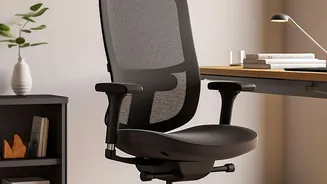
If your job requires you to sit, the key is to introduce frequent, small movements and adjustments. Don't think of your chair as a single position, but as a base for continuous change. Start by ensuring your setup is ergonomic: your feet should be flat on the floor, thighs parallel to the ground, and elbows at a 90-degree angle. From there, begin to incorporate micro-shifts. Gently rock your pelvis forward and back (like a cat-cow stretch in your chair). Shift your weight from one side of your seat to the other. Squeeze your glutes for ten seconds and release. Point and flex your feet, and rotate your ankles. These subtle movements, performed consistently, keep your muscles engaged and improve blood flow without disrupting your work. Using a rolled-up towel or a dedicated lumbar roll can also provide support and encourage a healthy spinal curve.
Finding Your Balance at a Standing Desk
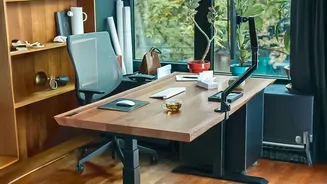
Standing desks are a popular alternative, but they come with their own set of rules. Simply standing still all day is not the solution; it can cause blood to pool in your legs and put pressure on your hips, knees, and feet. The goal is to alternate between sitting and standing, starting with 30- to 60-minute standing sessions. While standing, consciously shift your weight from one foot to the other. Use a small footrest or a stack of books to prop one foot up, and alternate. An anti-fatigue mat can provide cushioning and encourage small movements. Perform gentle calf raises by rising onto your toes and slowly lowering back down. Make sure your desk is at the correct height, with your elbows bent at a 90-degree angle and your monitor at or just below eye level to avoid neck and shoulder strain.
Beyond the Chair: Adjusting Your Entire Workspace
True ergonomic support involves more than just how you sit or stand. It’s about how your body interacts with your entire environment. Your monitor should be an arm's length away, with the top of the screen at or slightly below eye level to keep your neck in a neutral position. Place your keyboard and mouse close enough that you can use them with relaxed shoulders and straight wrists. Keep frequently used objects within easy reach to avoid twisting and over-extending. If you spend a lot of time on the phone, use a headset or speakerphone to avoid cradling the receiver between your head and shoulder. Most importantly, schedule movement breaks. Set a timer to get up and walk around for a few minutes every hour. A short walk to get water or a quick series of stretches can reset your posture and refresh your mind.