
The Scale of Kitchen Waste
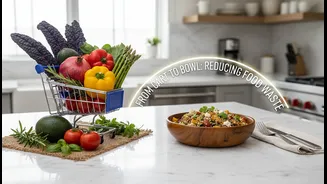
In India, household food waste is a significant issue. Each year, the average Indian household discards approximately 55 kg of food. While this per-capita figure is lower than in some Western countries, the sheer volume for the entire nation is staggering,
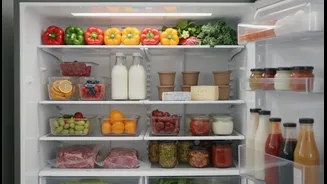
contributing to economic losses and environmental strain. Much of this waste stems from a simple disconnect: we buy ingredients for one specific recipe, and the excess—half a cabbage, a handful of herbs, a lone carrot—gets forgotten in the back of the fridge until it’s too late. Miscalculating meal sizes and a lack of planning are common culprits behind this cycle.
The Art of Ingredient Transformation
Shifting your approach from making single dishes to preparing versatile components is the core of ingredient transformation. This is more than just reheating yesterday's dinner. It's a creative mindset where you see an ingredient not for a single purpose, but for its multiple possibilities. Think of a whole roasted chicken. Day one, it’s the centerpiece of dinner. Day two, the leftover meat is shredded for sandwiches or a quick stir-fry. Day three, the carcass is simmered with vegetable scraps to create a rich, flavourful broth that becomes the base for a hearty soup or a flavourful pulao. One purchase, three distinct meals.
Thinking in Building Blocks
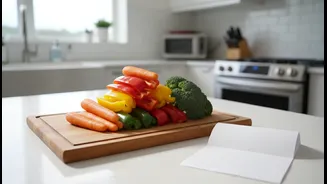
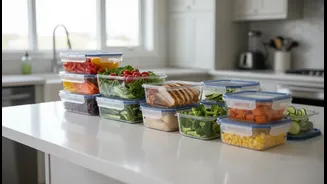
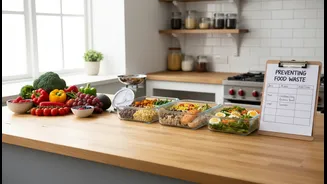
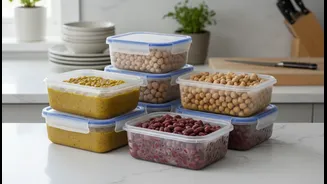
To master this, stop thinking in terms of finished meals and start thinking in terms of building blocks. Instead of making one specific sabzi, roast a large tray of mixed vegetables. These can be served as a side dish one night, tossed with pasta the next, rolled into a paratha for breakfast, or blended into a creamy soup. Cook a large pot of chana or rajma. Use it for a curry, then mash the rest for hummus-style dips or form it into patties for homemade veggie burgers. This method not only saves time during a busy week but also ensures that every ingredient you’ve purchased gets used to its full potential.
Mastering the 'Use-It-Up' Meal
Every kitchen needs a reliable “use-it-up” strategy for the end of the week. This is where you take all the odds and ends and turn them into something new and delicious. An omelette or frittata is perfect for using up small amounts of cooked vegetables, cheese, and herbs. A ‘kitchen sink’ stir-fry or fried rice can accommodate almost any vegetable and leftover protein. Wilting greens can be blended into a pesto with nuts and oil, while overripe bananas are perfect for muffins or pancakes. Embracing these clean-out meals prevents waste and often leads to surprisingly delicious discoveries.
The Joy Beyond the Savings
While reducing food waste has clear financial and environmental benefits, the practice of transforming ingredients offers something more: culinary freedom. It pushes you to become a more intuitive and resourceful cook. You learn to trust your instincts, experiment with flavour pairings, and rely less on rigid recipes. This approach turns cooking from a rigid task into a creative puzzle. The satisfaction of creating a delicious meal from ingredients that might have otherwise been thrown away is a reward in itself, fostering a deeper appreciation for the food we eat and the resources used to produce it.