



The Canine Size-Lifespan Puzzle
It’s one of the most consistent and curious patterns in the canine world: the bigger the dog, the shorter the lifespan. This observation contradicts a general rule across the animal kingdom, where larger species, like whales or elephants, tend to live
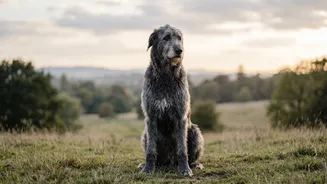
much longer than smaller ones, like mice. But within the single species of domestic dogs, the opposite is true. This has led scientists and dog owners to wonder for decades what biological trade-off comes with a Great Dane's stature or an Irish Wolfhound's height.
A New Look at Dog DNA
To solve this mystery, a team of researchers, including scientists from Arizona State University, delved into the DNA of nearly 900 dogs of various breeds as part of the Dog Aging Project. They weren't just looking at the genetic code itself, but at the 'epigenome'—a layer of chemical marks that sit on top of the DNA and control which genes are turned on or off. One of these processes, called DNA methylation, acts like a set of switches, and it’s known to change predictably with age. This allowed scientists to create a so-called 'epigenetic clock' to measure biological aging.
The Trouble with 'Jumping Genes'
The study revealed a fascinating culprit: the loss of control over 'transposable elements', also known as 'jumping genes'. Specifically, a class of these called LINE1s, which can copy and paste themselves throughout the genome, are normally kept in check by DNA methylation. As dogs age, they naturally lose some of this methylation, which can allow these jumping genes to become more active, potentially causing DNA damage, inflammation, and genomic instability—all hallmarks of aging. This process is a bit like the slow decay of the locks on a Pandora's box of genetic chaos.
Why Size Accelerates the Process
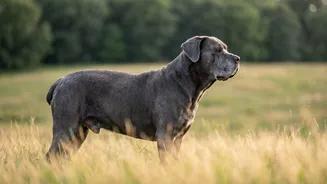
Here's where size comes in. The study found that while all dogs lose this genetic regulation over time, larger breeds lose it significantly faster. On average, giant dog breeds were found to lose about 35% more of the methylation that controls LINE1 genes each year compared to small breeds. According to the researchers, this suggests that the faster aging seen in large dogs is driven, at least in part, by this reduced control over their jumping genes. The very biological processes that push for rapid growth in puppyhood may come at the cost of long-term cellular maintenance.
A Higher Risk for Disease
This accelerated aging at a molecular level has real-world consequences. Larger dogs are known to be more susceptible to age-related diseases, especially cancer. Studies have consistently shown that cancer mortality risk increases with breed size. For example, a Great Dane has a much higher risk of developing bone cancer (osteosarcoma) than a miniature schnauzer. The rapid loss of epigenetic control found in the new study provides a potential molecular link, explaining why the cellular machinery in larger dogs might break down sooner, leaving them more vulnerable to such diseases at an earlier age.