


A new DIY skincare trend is making the rounds: retinol ice cubes. But before you freeze your favourite serum, it's crucial to understand what you're working with. Let's break down two powerhouse ingredients, vitamin E and retinol, and see if this chilly
hack holds up.
Vitamin E: The Protective Guardian
Think of Vitamin E as your skin's loyal bodyguard. Its primary role is to be a potent antioxidant. Found naturally in our skin, this fat-soluble vitamin works tirelessly to protect cell membranes from damage caused by free radicals—unstable molecules from environmental stressors like UV rays and pollution. This protective action helps to support the skin's natural barrier, keeping it moisturised, soft, and better able to retain water. It's an excellent ingredient for soothing and hydrating, especially for those with dry or sensitive skin. While it helps maintain skin health, it doesn't actively command cells to change their behaviour in the way retinol does.
Retinol: The Cellular Renovator
Retinol, a derivative of vitamin A, is the gold standard for anti-ageing for a reason. Unlike vitamin E, which plays defence, retinol goes on the offensive. It works by penetrating the skin and accelerating cell turnover, essentially telling your skin cells to regenerate faster. This process helps to clear pores, smooth texture, and over time, stimulate the production of collagen and elastin—the proteins that give skin its firmness and bounce. By boosting cell production and promoting exfoliation, retinol can significantly reduce the appearance of fine lines, wrinkles, and uneven skin tone, though results typically take three to six months of consistent use.
Key Differences: Protector vs. Transformer
The core difference lies in their function. Vitamin E is a protector and hydrator. It neutralises environmental damage and helps keep your skin barrier strong and comfortable. Retinol is a transformer. It actively changes how your skin cells function to address signs of ageing and texture irregularities. This is also why their side effects differ. Vitamin E is generally well-tolerated and soothing. Retinol, due to its powerful cell turnover action, can initially cause irritation, dryness, and peeling—often called the 'retinoid uglies'—as the skin adjusts. Furthermore, retinol makes your skin more sensitive to the sun, making daily sunscreen non-negotiable, while vitamin E offers some photoprotective benefits (though it never replaces SPF).
The Viral Trend: What Are Retinol Ice Cubes?
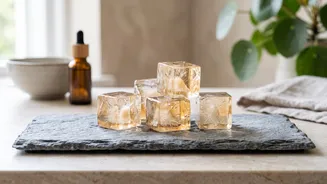
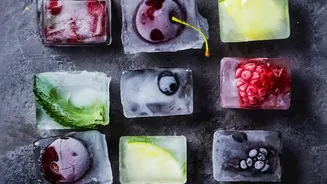
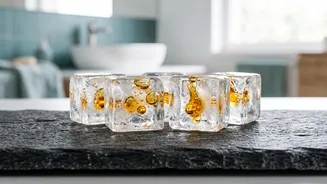
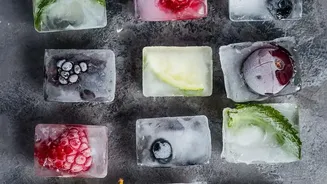
The DIY retinol ice cube trend involves freezing a mixture, often containing a retinol serum or even 'retinol juices' made from beta-carotene-rich foods like carrots, into ice cube trays for facial application. The idea combines the known benefits of skin icing—reducing puffiness and inflammation by constricting blood vessels—with the anti-ageing power of retinol. Proponents claim this method provides a refreshing way to apply retinol, potentially calming the skin while delivering the active ingredient. However, this viral hack overlooks the very delicate nature of the star ingredient.
Why This Trend Is A Bad Idea
Dermatologists and cosmetic chemists formulate products with extreme care, and there are several reasons why this DIY trend is a cause for concern. First, retinol is notoriously unstable. It degrades quickly when exposed to air, light, and extreme temperatures (both hot and cold). Freezing and thawing can destabilise the molecule, rendering it ineffective before it even touches your skin. Second, formulation is key. Professionally made serums contain stabilisers, penetration enhancers, and specific pH levels to ensure the retinol is delivered safely and effectively. A DIY concoction has none of these safeguards. Finally, applying ice directly to the skin can be harmful, potentially causing redness, irritation, and even broken capillaries, especially on sensitive skin.
The Right Way to Use Retinol and Vitamin E
To get the benefits without the risk, stick to products formulated by experts. Retinol should be applied at night to clean, dry skin. If you are new to it, start with a low concentration (0.01%-0.3%) just two or three times a week, gradually increasing frequency as your skin builds tolerance. Always follow up with a moisturiser. Many moisturisers already contain vitamin E (often listed as tocopherol), which can help buffer retinol's irritating effects and stabilise the formula. This 'sandwich method'—moisturiser, then retinol, then more moisturiser—is a popular way to reduce irritation. And most importantly, apply a broad-spectrum sunscreen every single morning, as retinol use increases sun sensitivity.