



The Three Senses of Freshness
Before diving into specific vegetable types, remember the three fundamental checks: look, feel, and smell. These senses are your best tools in the produce aisle. Visually inspect produce for vibrant, consistent colour and check for any blemishes, mould,
or significant bruising. A fresh vegetable should feel firm and solid in your hand, appropriate for its type. Avoid anything that feels mushy, soft in spots, or unusually light. Finally, trust your nose. Fresh produce should have a clean, sometimes earthy or sweet, aroma. Any off-putting, sour, or mouldy smells are clear indicators that the vegetable is past its prime and should be avoided. Applying these three principles is the foundation for bringing home quality produce.
Leafy Greens: Crisp and Vibrant
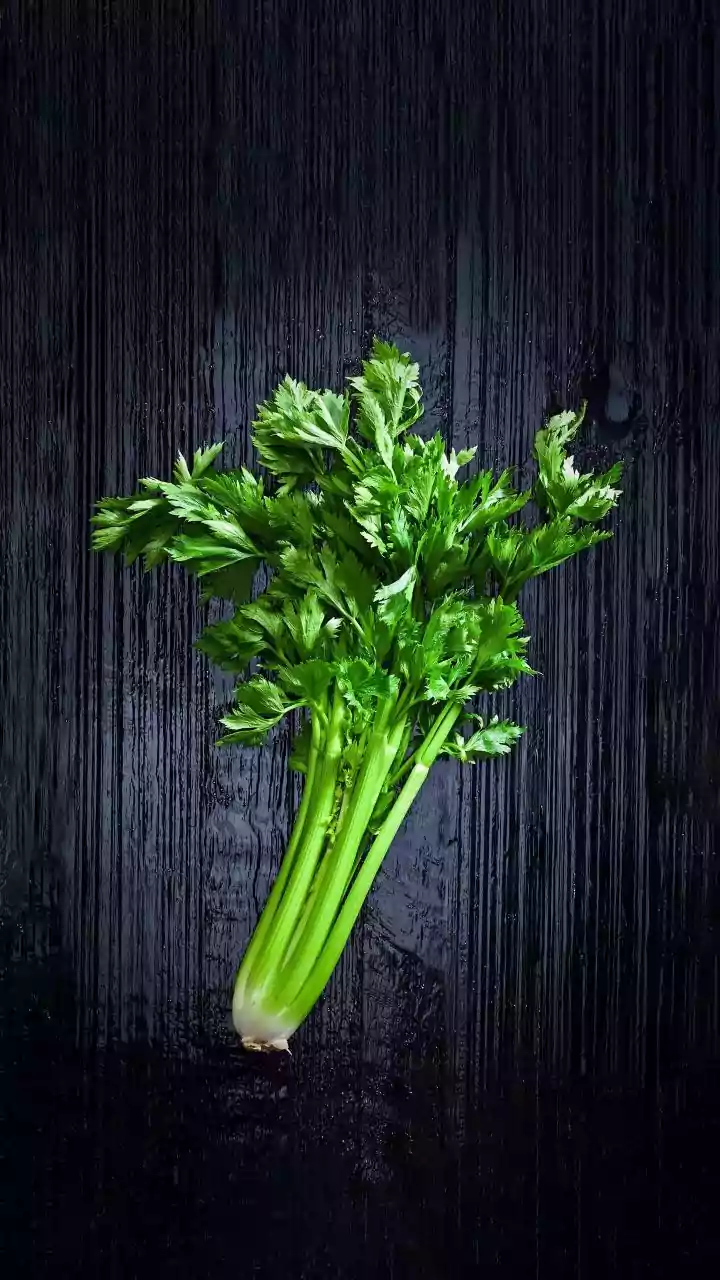
For leafy greens like spinach, kale, and lettuce, the key indicators are colour and texture. Look for leaves that are bright and deeply coloured. Avoid any bunches with yellowing or brown spots, as this is a sign of age and decay. The leaves themselves should look crisp and full, not limp or wilted. Gently touch the leaves; they should feel firm and robust. If you notice any sliminess, it's a definite sign of spoilage. For greens with thick stalks like kale or chard, ensure the stems are also firm and snap easily rather than bending limply. Whether you buy them in a bunch or a pre-packaged container, the same rules of vibrancy and crispness apply.
Root Vegetables: Firm and Heavy
When selecting root vegetables such as carrots, potatoes, beets, and radishes, focus on firmness and weight. A good root vegetable should feel heavy for its size, which indicates a good moisture content and a fresh interior. The skin should be relatively smooth and free of deep gashes, soft spots, or significant wrinkling. Give them a gentle squeeze; they should be completely firm to the touch. For potatoes, avoid any with a greenish tint on the skin, which suggests exposure to light, or those that have begun to sprout. Carrots should be a bright, uniform orange without a lot of small, hairy roots. With beets, the leaves can be a giveaway; if they are still attached, they should look fresh and not wilted.
Fruiting Vegetables: Colour and Weight
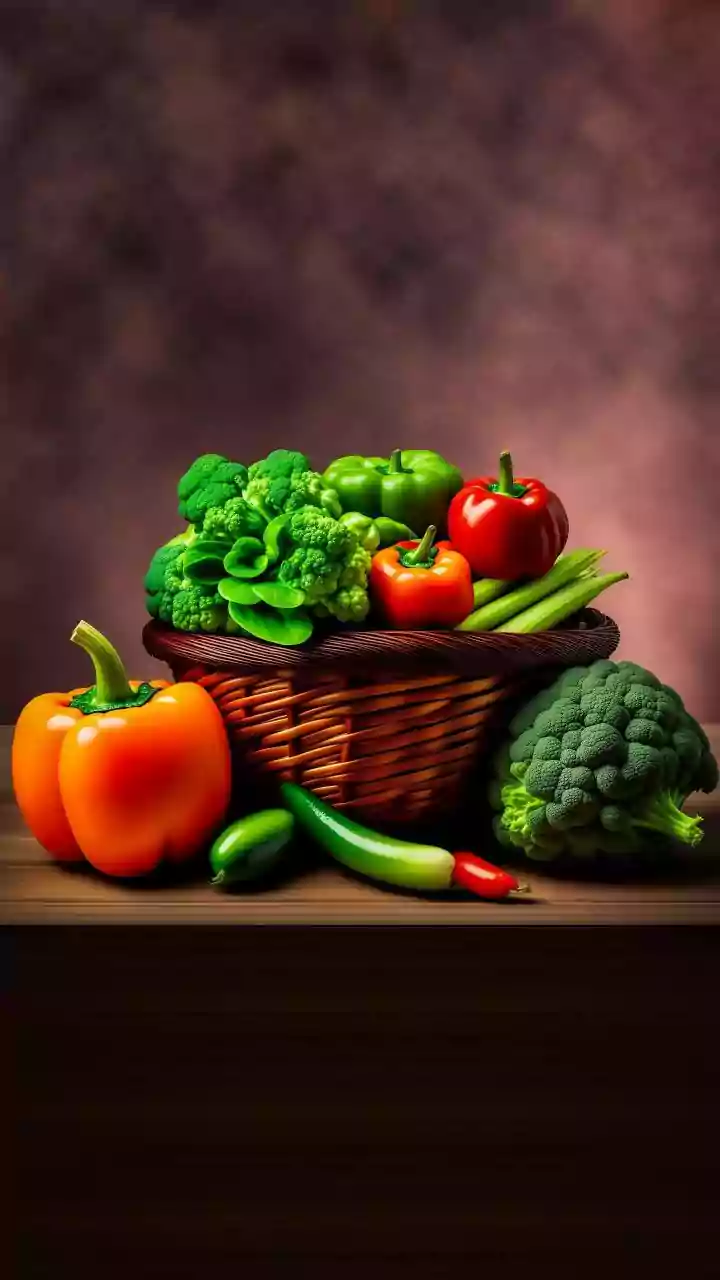
This category includes popular items like tomatoes, bell peppers, cucumbers, and aubergines. For tomatoes, look for a deep, even colour and skin that is smooth and shiny. A ripe tomato will have a slight give when gently pressed but should not feel soft or mushy. It should also have a noticeable sweet, earthy scent. Bell peppers should also feel heavy for their size with taut, glossy skin. Avoid peppers with wrinkled areas or soft, sunken spots. Cucumbers should be firm from end to end with a consistent dark green colour, avoiding any with yellow patches or soft tips. A good aubergine will have smooth, shiny skin and feel dense and heavy in your hand.
Cruciferous Choices: Tight and Compact
Broccoli, cauliflower, and Brussels sprouts fall into the cruciferous family, and the main thing to look for is a tight, compact structure. For broccoli, the head should consist of tightly packed green florets. Any signs of yellowing mean the broccoli is aging and will have a more bitter flavour. The stalk should feel firm and fresh. Similarly, cauliflower heads should be dense, with creamy-white, compact curds and no dark spots. If the florets are starting to spread apart on either vegetable, it's a sign that it is past its peak. For Brussels sprouts, choose small, firm, and compact heads with a bright green colour. Avoid any that have yellowing leaves or feel spongy to the touch.