




Why Foods Get Gassy
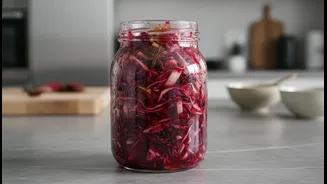
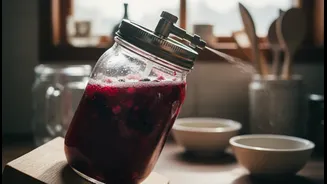
The primary reason for gas build-up in food containers is biological activity. Two main processes are at play: fermentation and respiration. Fermentation is an anaerobic process, meaning it happens without oxygen. Beneficial microorganisms like bacteria
and yeast consume sugars in food and convert them into byproducts like lactic acid, alcohol, and, crucially, carbon dioxide (CO2) gas. This is what creates the bubbles in kombucha and gives sourdough its lift. Foods like kimchi, sauerkraut, and pickles are actively fermenting and will produce a significant amount of gas. The other process is respiration, which happens with fresh produce. After being harvested, fruits and vegetables continue to 'breathe', taking in oxygen and releasing ethylene gas and CO2. Ethylene acts as a ripening agent, and trapping it can cause produce to spoil faster.
The Dangers of Trapped Gas
Ignoring gas build-up isn't just a recipe for spoiled food; it can be dangerous. As CO2 accumulates in a sealed, airtight container, pressure builds. In a best-case scenario, this pressure might cause a lid to pop off with a startling 'pfft'. In a worst-case scenario, particularly with glass jars, the pressure can become so extreme that the container shatters, sending shards of glass and food flying across your kitchen. Even if an explosion doesn't occur, the pressure can ruin the texture and flavour of your food. For fresh produce, trapping ethylene gas can accelerate decay, turning crisp apples mealy and fresh berries mouldy in a surprisingly short time. Proper ventilation helps dissipate this gas and excess moisture, extending the life of your groceries.
Containers for Fermentation
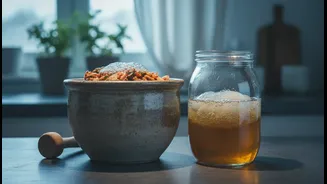
For those diving into home fermentation, investing in the right gear is essential for success and safety. Simple Mason jars can be used, but they require 'burping'—manually unscrewing the lid once or twice a day to release pressure. While effective, this method can allow oxygen and unwanted microbes to enter. A better solution is a container with an airlock. These come in several forms: Airlock Lids: These special lids, often made of silicone, fit on standard wide-mouth jars. They feature a one-way valve that lets CO2 escape while preventing oxygen from getting in. Fermentation Crocks: These traditional stoneware vessels often have a built-in water moat around the rim. The lid sits in this moat, creating a water seal that allows gas to bubble out. * Specialty Kimchi Containers: Many modern containers designed specifically for kimchi feature double lids or patented 'breathing' valves to automatically release gas while containing strong odours.
Storing Fresh Produce
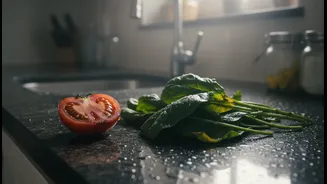
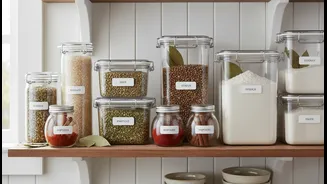
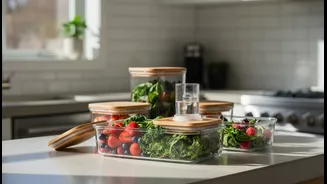
Not just fermented foods benefit from gas management. Many fruits and vegetables stay fresher longer in containers that promote airflow. Unlike the anaerobic environment needed for fermentation, produce requires ventilation to release ethylene gas and prevent moisture build-up. Look for produce-saver containers that have adjustable vents. These allow you to customize the airflow based on what you're storing. For example, high-respiration items like berries and leafy greens do well with vents open to allow moisture and ethylene to escape. In contrast, items prone to drying out, like cut carrots, may benefit from a closed vent. These specialty containers often feature an elevated or perforated bottom to keep produce away from any condensation that collects.
Choosing Safe Materials
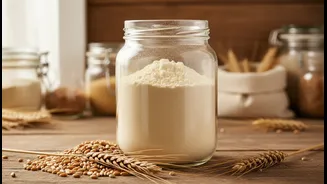
The term 'food-safe' means the material won't react with or leach chemicals into your food. For fermenting, glass is an excellent choice because it's non-reactive, non-porous, and allows you to see the progress. High-quality, food-grade stainless steel is another durable, non-reactive option that won't stain or hold odours, making it popular for storing pungent foods like kimchi. When choosing plastic, ensure it is certified BPA-free. While convenient and lightweight, some plastics can stain or retain odours from spices and oils common in Indian cooking. For any type of food storage, especially when dealing with acidic ferments, it is crucial to use containers specifically designated as food-grade.