




The Roar of the National Anthem
It’s the first battle of every match, fought not with feet but with lungs. Before the whistle blows, players line up, arms around shoulders, and sing their national anthem. For fans, it's a moment of pure, unadulterated patriotism. For players, it’s a visceral
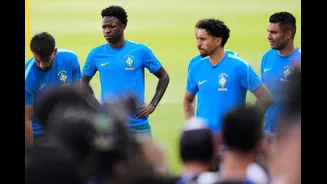
connection to home. Watch the faces of the Brazilians, tears streaming as they belt out 'Hino Nacional Brasileiro', or the Italians, whose passionate rendition of 'Il Canto degli Italiani' is a spectacle in itself. This tradition transcends sport; it's a declaration of identity on the world's biggest stage, setting an emotional tone that a thousand pre-game pundit chats never could.
The Unstoppable Mexican Wave
Love it or hate it, the Mexican Wave (or 'La Ola') is stadium participation at its most basic and most infectious. The tradition sees successive groups of spectators briefly stand and raise their arms, creating a ripple effect that travels through the crowd. While its exact origins are debated—with claims from American sports predating it—it was the 1986 World Cup in Mexico that launched it into global consciousness. It requires no language, no planning, just a collective desire to be part of something bigger. When a wave successfully completes a full circle around a 60,000-seat stadium, it’s a moment of unity, a silly, joyous, and undeniable part of the fan experience.
Iceland’s Thunderous Viking Clap
One of the most powerful traditions to emerge in recent tournaments is the Viking Clap, or 'Húh!' chant, popularised by Iceland's national team and their incredible fans. The ritual involves players and supporters clapping their hands above their heads and chanting in unison, starting slowly and building to a deafening, intimidating crescendo. It’s a stunning display of unity and strength, a war cry that connects the team on the pitch with the thousands who travelled to support them. First seen on a grand scale during their fairytale run at Euro 2016, it has since been adopted by other teams and fans, but it will forever be associated with the tiny island nation that roared.
The Art of the Goal Celebration
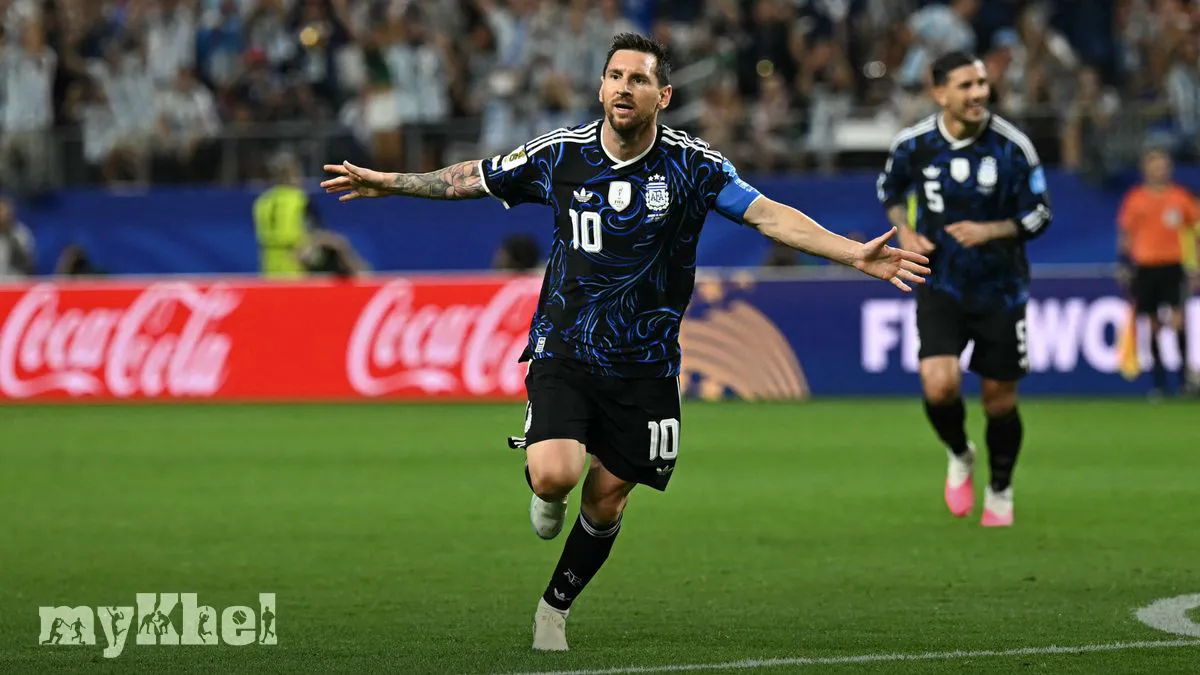
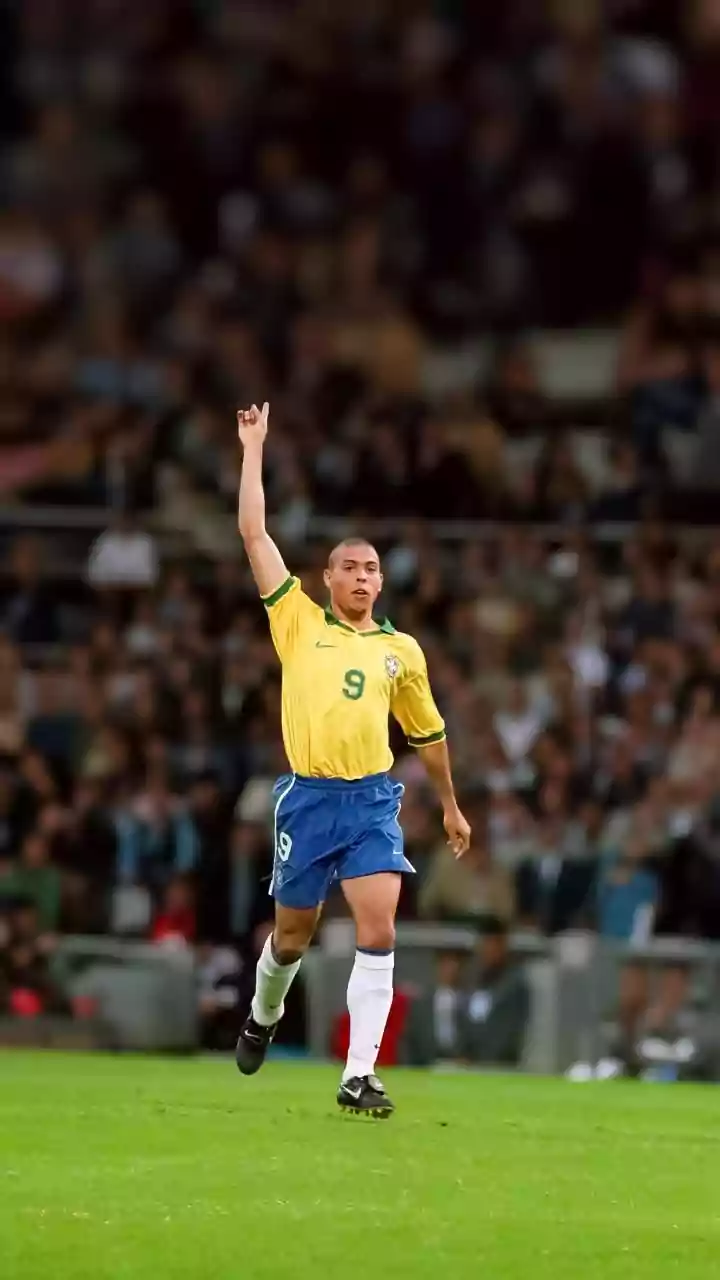
Scoring a goal in the World Cup is the pinnacle of a footballer’s career, and the celebration that follows is often just as memorable. These aren’t just expressions of joy; they are statements. Think of Roger Milla’s iconic corner flag dance for Cameroon in 1990, a celebration of African football arriving on the world stage. Consider Bebeto’s ‘rock the baby’ cradle celebration for Brazil in 1994, dedicated to his newborn son. From choreographed team dances to politically charged gestures, the goal celebration is a player's chance to write their own personal footnote in World Cup history. It’s a free-form tradition that evolves with every tournament.
The Audacity of the 'Panenka' Penalty
In a high-stakes penalty shootout, most players opt for power or precision. A select few choose audacity. The 'Panenka' is a penalty kick technique where the player, instead of blasting the ball, gently chips it down the middle of the goal, gambling that the goalkeeper has already dived to one side. It’s named after Czech player Antonín Panenka, who brazenly used it to win the 1976 European Championship. To attempt it in a World Cup—as Zinedine Zidane did in the 2006 final—is the ultimate display of nerve. A successful Panenka is a mark of genius; a failed one is a mark of folly. It's the highest risk for the highest reward.
The Post-Match Shirt Swap
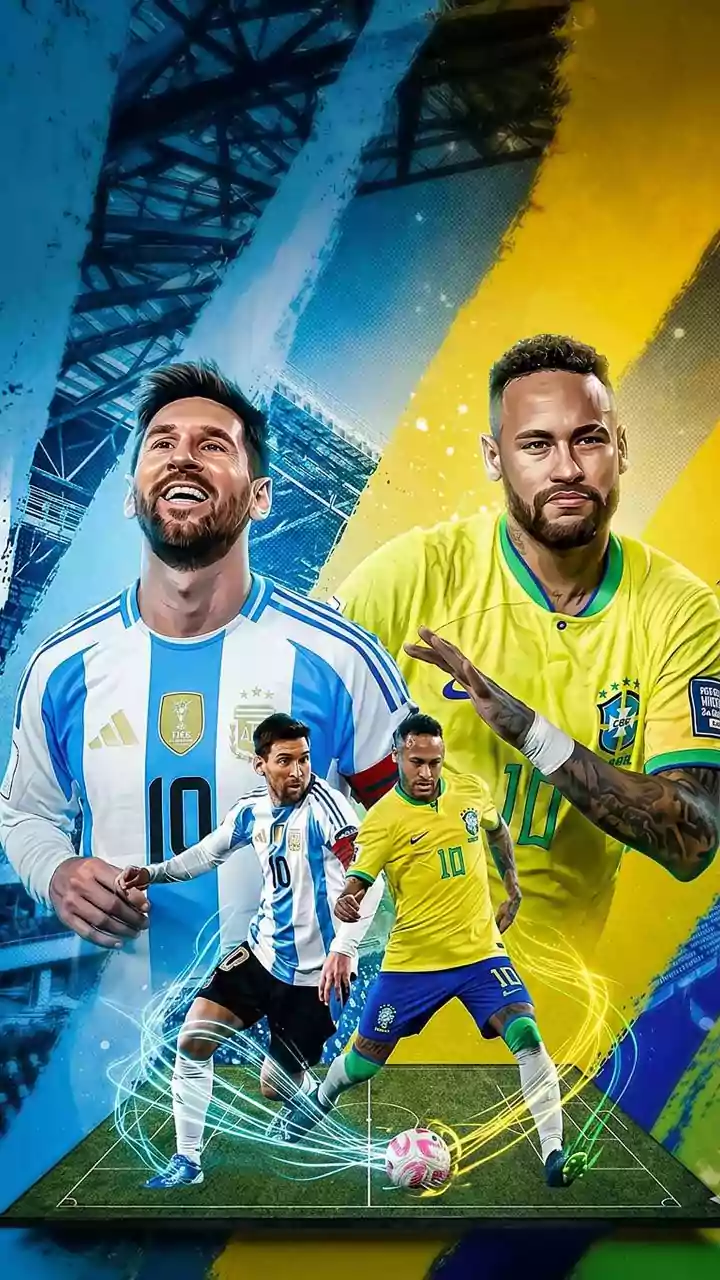
After 90 minutes of fierce competition, a simple, quiet tradition unfolds. Two opposing players will approach each other, exchange a few words, and swap jerseys. This act is a universal sign of respect in football. It's a recognition of a worthy adversary and a way to collect a memento from a significant match. For players, swapping a shirt with a legend like Lionel Messi or a childhood hero is a personal honour. For fans, it's a visual reminder that despite national rivalries and on-pitch battles, a shared respect for the beautiful game unites everyone.