






The End of the Haul?
The era of the massive clothing 'haul'—videos showcasing huge purchases from fast-fashion giants—is facing a reckoning. While social media once glorified this form of overconsumption, it's now also the stage for its critique. A growing number of young
consumers, particularly Gen Z, are voicing fatigue with the relentless pressure to keep up with micro-trends that last just weeks. This generation, which grew up with unprecedented access to information, is increasingly aware of the environmental and ethical fallout from an industry that produces over 100 billion garments annually. They are moving away from the idea of disposable clothing and toward a more conscious mindset, even if their actions don't always align with their beliefs.
An Environmental Awakening
A key driver of this shift is a heightened awareness of sustainability. Young people are more likely to associate fashion with environmental protection. They are learning that the industry is a major contributor to global CO2 emissions and water pollution. Studies show that Gen Z in India, which comprises a significant portion of the population, is environmentally conscious and this attitude is increasingly influencing their purchasing intentions. This awareness often creates a conflict, however. While many young shoppers express a desire to buy from sustainable brands, they are often deterred by higher prices and a lack of clear information, creating a significant gap between their values and their actual spending habits.
The Rise of the Resale Revolution
Instead of buying new, many young shoppers are embracing the world of secondhand clothing. India's resale market is booming, projected to reach over USD 5 billion by 2027, with a growth rate outpacing the US and UK. This growth is fuelled by Gen Z and millennials leading a charge toward thrift shopping not just for affordability, but for sustainability and exclusivity. Digital platforms, from curated Instagram stores to larger marketplaces, have made thrifting more accessible and removed the stigma once associated with used clothing. This 're-commerce' trend is reshaping consumer behaviour, normalizing thrift shopping as a lifestyle choice and a way to access unique or branded items without the environmental guilt of fast fashion.
TikTok's Double-Edged Sword
Social media platforms like TikTok and Instagram have a complex relationship with fast fashion. They are powerful engines for creating micro-trends and driving consumption through influencer marketing. However, these same platforms have become hubs for anti-fashion-consumerism movements. Influencers and creators now promote 'de-influencing' (talking people out of purchases), thrifting, upcycling old clothes, and building capsule wardrobes. This user-generated content provides a powerful counter-narrative to the constant push for newness, empowering young consumers to make more informed and conscious decisions.
What Comes After Fast Fashion?
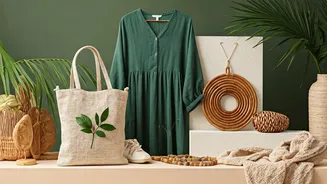
For many young Indians, the alternative to fast fashion lies in homegrown, sustainable brands that focus on ethical production and timeless design. Labels that use organic cotton, natural dyes, and traditional crafts are gaining traction among consumers looking for authenticity and quality. These brands offer a different value proposition: clothes that are made to last, tell a story, and have a smaller environmental footprint. While often more expensive upfront, the principle of buying less but better is starting to resonate with a generation that increasingly defines style not by what's new, but by what is personal and meaningful.