








The Current Bottleneck
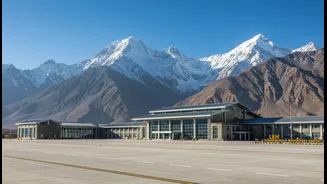
Kushok Bakula Rimpochee Airport, one of the world's highest commercial airports, is a lifeline for a region that is cut off by road for several months of the year. In recent years, however, it has become a significant bottleneck. The existing terminal
was built to handle a fraction of the current tourist traffic. During peak season, the small building becomes overwhelmed, leading to long queues and crowded spaces. This congestion is not just an inconvenience; at an altitude of over 10,600 feet, it can be a genuine health concern for travellers who are not yet acclimatized to the thin air. Until recently, the airport handled a limited number of flights, but operations have already increased to manage demand, putting further strain on the old infrastructure.
A Vision for the Future
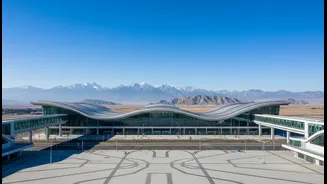
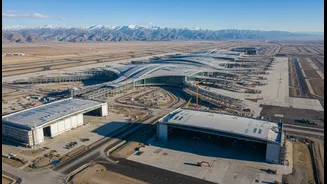
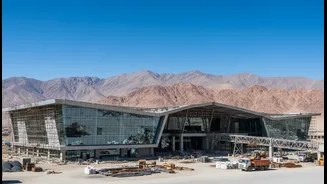
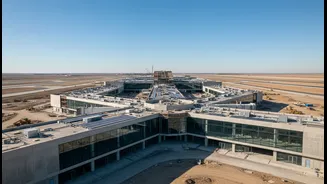
The upcoming integrated terminal is set to change this narrative entirely. According to the Ministry of Civil Aviation, the project is a key part of a national push to modernise aviation infrastructure. Recent updates in July 2026 from Civil Aviation Minister Ram Mohan Naidu confirmed that physical construction is 83% finished. The new building is designed to handle up to 54 flights per day, a threefold increase from its current capacity. This will allow the airport to accommodate an estimated 3.5 million passengers annually, a huge leap that prepares Ladakh for future growth. The multi-level structure will feature 20 check-in counters, modern baggage handling systems, escalators, and lifts, all designed to streamline passenger flow and improve comfort.
Safety and Sustainability First
The expansion is about more than just size; it's about building a safer and more sustainable gateway. For the first time on a large scale in India, the terminal will use geothermal technology for heating and cooling, supplemented by a large rooftop solar power system. This focus on green energy aims to make it a carbon-neutral facility, a significant goal in a fragile ecosystem like Ladakh. From a safety perspective, the increased capacity and organised flow will reduce crowding, giving travellers a better environment to acclimatize. The plans also include adding three aerobridges, which will make boarding and deplaning faster and safer, protecting passengers from the harsh weather conditions often experienced at that altitude.
Balancing Tourism and Preservation
While the new airport terminal will undoubtedly boost Ladakh's accessibility and economy, it also brings challenges. The ability to bring in more tourists faster puts greater pressure on the region's delicate environment and limited resources, such as water and waste management systems. Local authorities and tourism bodies have emphasised that this infrastructure upgrade must be paired with a strong focus on sustainable and responsible tourism. The airport project is a critical first step in managing the flow of visitors more efficiently, but it's just one piece of a larger puzzle. Ensuring that Ladakh's unique culture and pristine landscapes are preserved for the long term will require careful planning that extends far beyond the airport runway.