
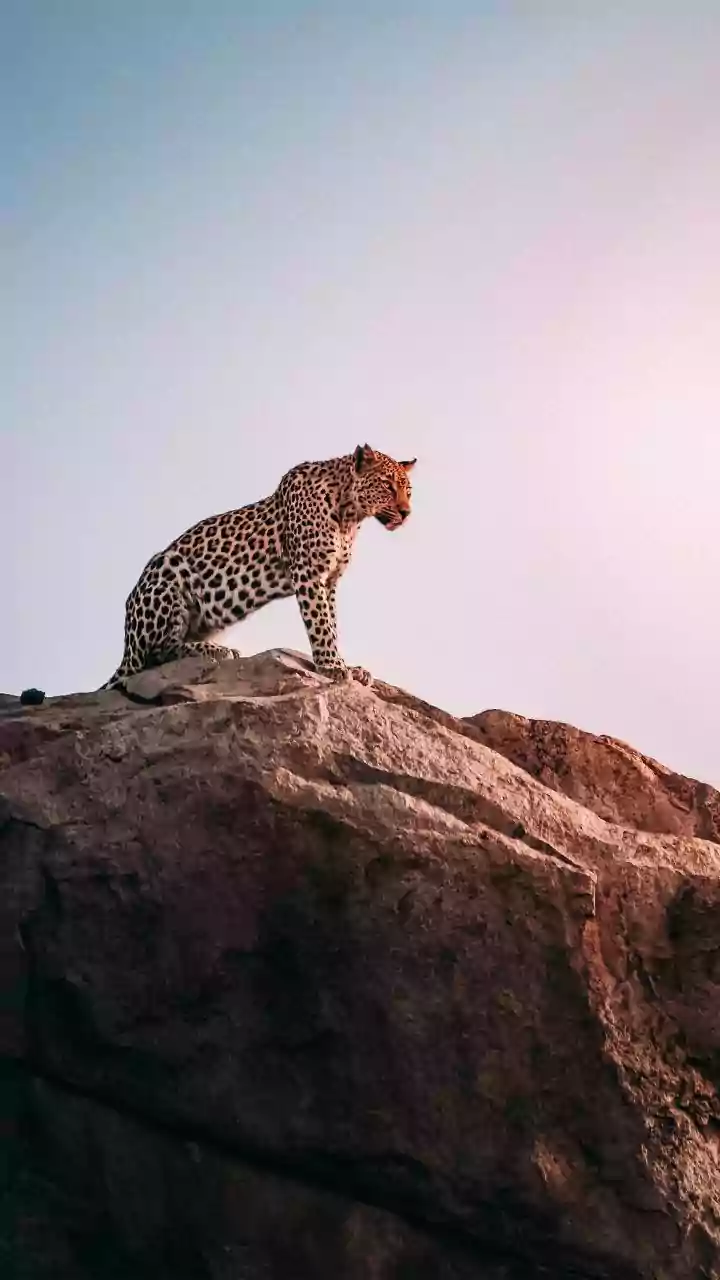
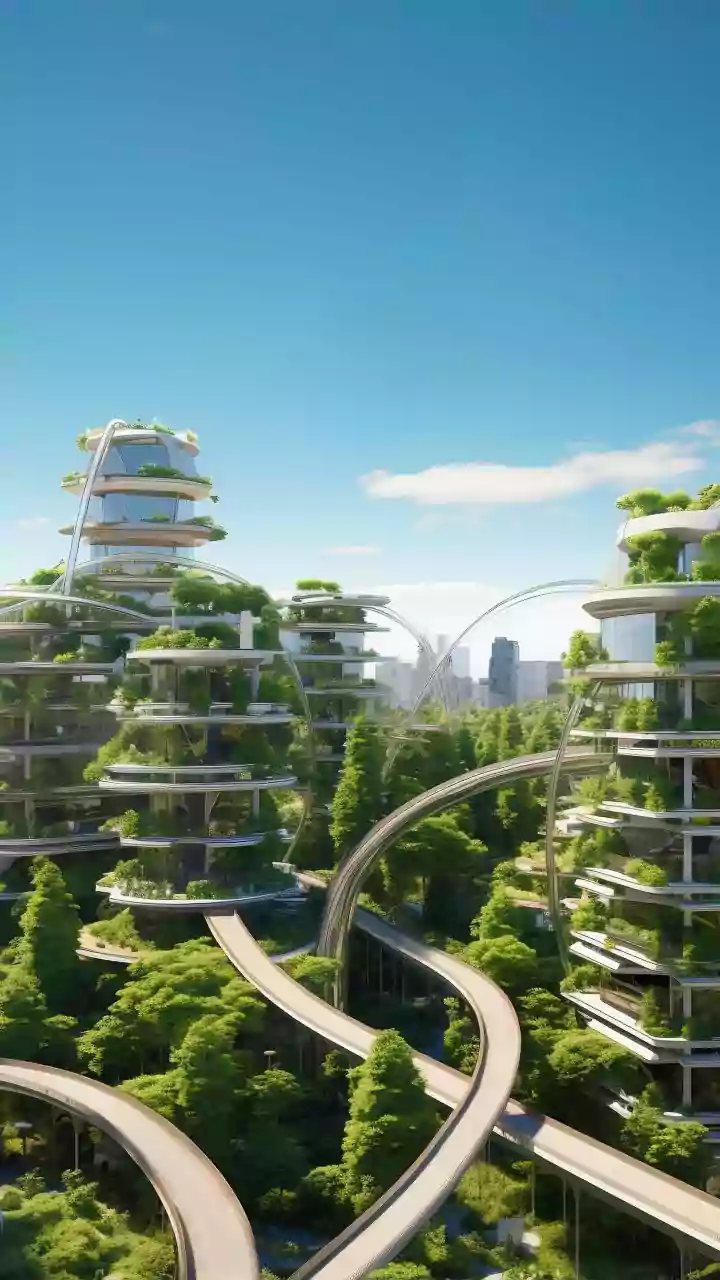


The sight of a monkey darting across rooftops or a large cat spotted on the edge of town is becoming increasingly common. But this isn't an invasion; it's a remarkable story of adaptation, as wildlife learns to navigate our concrete worlds.
The Rise of the Urban Animal
As cities in
India and across the globe continue to expand, they swallow up forests, wetlands, and grasslands, forcing a dramatic shift in the animal kingdom. For many species, this means their traditional homes are shrinking or disappearing entirely. Yet, instead of fading away, a surprising number of animals are proving to be remarkably resilient. They are moving into our urban spaces, which, despite the noise, traffic, and people, offer a surprising wealth of resources. From discarded food in bins to the relative absence of natural predators, cities can be an all-you-can-eat buffet for those clever enough to navigate them. This has given rise to the 'urban adapter'—species that don't just survive in cities, but actively thrive.
Mumbai's Leopards: Masters of the Night
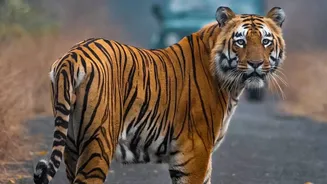
Perhaps no animal exemplifies this trend more dramatically than the leopards of Mumbai. A significant population of these elusive big cats lives in and around Sanjay Gandhi National Park, an area enveloped by one of the world's most densely populated cities. Research shows these leopards have become masters of coexistence. By tracking them with GPS collars, scientists found that they move through densely populated areas primarily at night, using the cover of darkness to avoid humans. Their diet has also shifted; studies reveal a heavy reliance on domestic animals like stray dogs and pigs, which are abundant on the city's fringes. They use railway lines and overgrown nullahs as stealthy corridors, demonstrating a sophisticated understanding of the urban landscape.
The Clever Macaques of Urban India
In cities like Delhi and Jaipur, rhesus macaques have become the ultimate urbanites. Known for their intelligence and complex social structures, these primates have shown incredible behavioural plasticity. They have learned to exploit human generosity and carelessness, sourcing food from temples, tourist handouts, and poorly managed waste. This has allowed their populations to flourish in environments far removed from their native forests. Their ability to live in bustling city centres, treating buildings and temples as their new 'forests', showcases a high level of cognitive flexibility and social learning, passing survival skills from one generation to the next.
The Science of City Survival
This adaptation isn't just about changing habits; in some cases, it's leading to rapid evolutionary changes. Scientists call this 'urban evolution'. For instance, some city birds have been observed singing at a higher pitch to be heard over the din of traffic. Some lizards in urban areas have evolved longer legs and stickier toe pads to better grip smooth surfaces like glass and concrete. Even the brains of some small urban mammals have been found to be larger than their rural counterparts, suggesting that navigating the complexities of city life requires greater cognitive function. These changes, sometimes occurring over just a few generations, are a powerful testament to the force of natural selection in our own backyards.
A Complicated Coexistence
While this adaptation is fascinating, it's not without friction. The increased proximity between humans and wildlife inevitably leads to conflict. Leopards preying on livestock, macaques raiding homes, and wild boars damaging property are common complaints. These incidents often stem from habitat loss and the lure of easy food sources like garbage. Fear and misunderstanding can lead to calls for culling or relocating animals, which often fails as the core issues remain. Experts argue that the key isn't to separate humans and wildlife, but to learn how to share space more intelligently and safely.