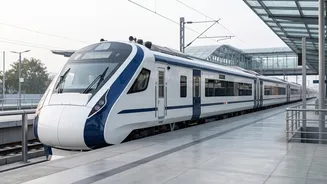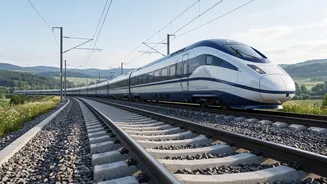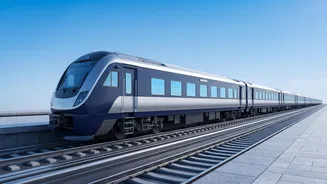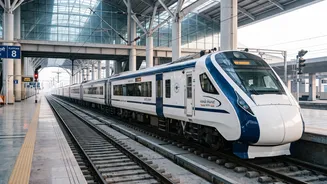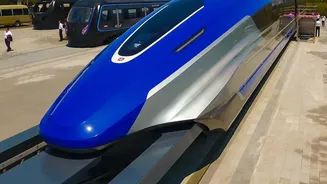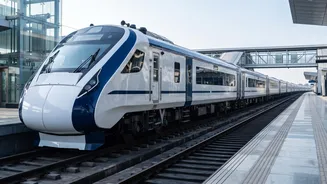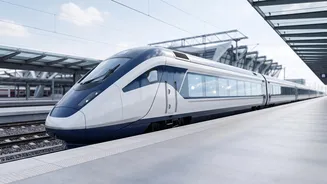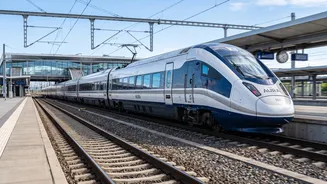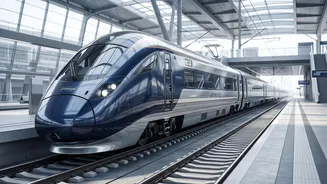


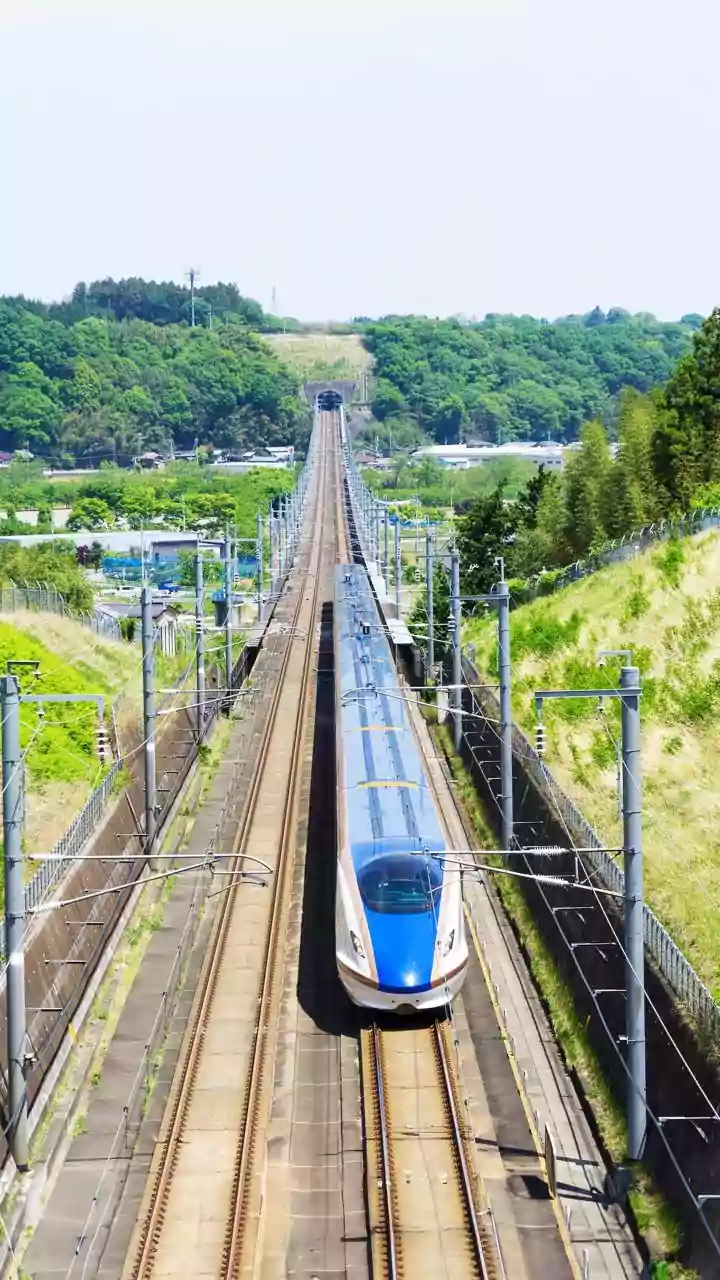

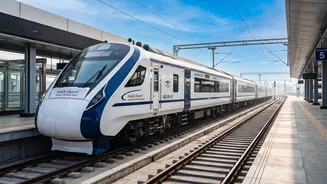
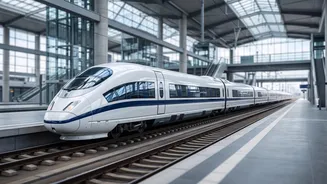

Indian Railways is embarking on an ambitious project to tackle one of its most persistent challenges: overcrowding. A new prototype for a high-capacity sleeper train, targeted for 2027, aims to revolutionise long-distance travel for millions.
A Vision for a High-Capacity Future
Anyone who
has tried booking a train ticket during peak season knows the struggle. The waitlists can run into the hundreds, and the demand for affordable long-distance travel far outstrips supply. To address this, Indian Railways has set its sights on a new generation of sleeper trains with a significant increase in passenger capacity. The goal is to develop a prototype by 2027 that could potentially accommodate over 1,400 passengers in sleeper berths alone. This represents a monumental leap from the current capacity of long-distance trains and signals a clear focus on enhancing services for the common passenger. While the final number of berths may evolve during the design and testing phases, the project's core objective is to maximise space and make train travel more accessible.
More Berths by Design
So, how can a train hold so many more passengers? The innovation lies in redesigning the coach itself. Engineers are exploring novel layouts to increase the number of berths per coach without compromising basic comfort. For instance, recent designs for non-AC sleeper coaches have already managed to increase the berth count from the standard 72 to 80 or 81. This is often achieved by optimising space previously occupied by electrical panels or by slightly reconfiguring the layout of the bays. The larger prototype planned for 2027 would likely build on these principles on a grander scale. Beyond just adding berths, these new coaches are also slated to feature improved amenities, such as better-designed, bio-vacuum toilets and more efficient water systems, addressing common complaints about hygiene and resource availability on long journeys.
Not to Be Confused with Vande Bharat
It is important to distinguish this high-capacity sleeper project from another major Indian Railways initiative: the Vande Bharat sleeper trains. While both represent a leap forward, they cater to different segments of travellers. The Vande Bharat sleepers are a premium, fully air-conditioned offering, designed to compete with air travel in terms of speed and comfort, much like their chair-car counterparts. In contrast, the high-capacity train project appears focused on the non-AC sleeper class, which forms the backbone of affordable travel for the masses. This initiative is about volume and accessibility, aiming to clear the massive waitlists on popular routes by simply fitting more people onto each train service, making it a critical component of the national transporter's modernisation and public service goals.
The Long Road to 2027
A target of 2027 for a working prototype is ambitious but reflects the urgency of the capacity challenge. Developing new rolling stock is a complex and meticulous process. It begins with conceptual design, followed by engineering and manufacturing the first prototype. This prototype will then undergo rigorous testing and trials under the supervision of the Research Designs and Standards Organisation (RDSO). These trials test everything from safety and stability at high speeds to passenger comfort and durability. Only after receiving all necessary clearances can mass production begin. Therefore, while the prototype may be ready by 2027, the widespread rollout of these new trains across the network would be a gradual process extending into the following years.
An Answer to Unprecedented Demand
At its heart, this project is Indian Railways' direct response to the staggering and evergrowing demand for its services. As India's economy and population grow, so does the number of people migrating for work, education, and leisure. Trains remain the most affordable and practical option for long distance travel for a vast majority of the population. Initiatives like the Amrit Bharat Express have already started to address the need for modern, non AC travel options. The planned high capacity sleeper train is the next logical step in this strategy. By significantly increasing the number of available berths per train, Indian Railways hopes to not only reduce overcrowding but also make a tangible difference in the lives of millions who depend on its network every day.