
The New Weather-Driven Life
Not long ago, a weather forecast was a broad, regional prediction you caught on the evening news. Today, hyper-local, minute-by-minute updates are streamed to our phones, powered by AI, satellite imagery, and vast networks of sensors. This technological
leap has changed our relationship with the weather. It's no longer just a passive phenomenon we react to; it's a dataset we use to optimise our lives. Psychologists suggest this behaviour stems from a deep-seated human desire for control and predictability in an uncertain world. By knowing exactly what to expect from the elements, we feel more prepared, reducing the mental energy spent on worrying about the unknown. This shift has moved us from simply reacting to a sudden shower to proactively planning our activities, purchases, and movements with near-scientific precision.
The Algorithmic Itinerary
The travel industry, particularly in a country with as much climatic diversity as India, has been profoundly impacted. Tourists and weekend travellers now meticulously plan their trips to avoid monsoon washouts, chase ideal snow conditions, or escape city heatwaves. Planning a trip to the Western Ghats during the monsoon has become a calculated decision based on heavy rainfall warnings which can cause landslides and transport disruption. Similarly, heatwaves are redrawing the travel map, pushing tourists away from traditional summer destinations towards cooler climes or different seasons altogether. This reliance on forecasts gives travellers a sense of control, but it also means that transport infrastructure, from airlines to railways, is under pressure to adapt to weather-related disruptions like track overheating or flight delays. A successful holiday is increasingly dependent on good planning and a flexible itinerary that can account for sudden weather shifts.
Dressing for the Data
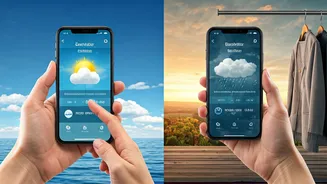
Our wardrobes are also being curated by algorithms. The decision of what to wear is no longer based on a quick glance out the window. Instead, we consult apps for the day's hourly temperature, humidity levels, and 'feels like' temperatures. This has given rise to 'AI weather fashion', where technology recommends outfits based on real-time climate data combined with personal style preferences. Retailers are keenly aware of this trend. Unpredictable weather patterns make it harder for them to predict what customers will buy and when. A slightly warmer-than-average autumn can delay the sale of winter coats, while a cool spring can dampen demand for summer clothes. As a result, businesses are using weather data to manage inventory and create targeted marketing, promoting rain gear ahead of a wet forecast or summer apparel during a sunny spell.
Meteorological Menus
What we eat is also increasingly dictated by the forecast. The connection is more complex than just craving soup on a cold day. Food delivery apps see significant surges in orders during bad weather, as people prefer to stay indoors. These platforms and restaurants are beginning to use weather data to predict demand, promote certain dishes, and manage logistics. For instance, a heatwave might trigger promotions for salads and cold beverages, while a rainy weekend could see a spike in demand for comforting meals delivered to the door. Studies have shown that temperature, rainfall, and even air quality can influence food cravings and online ordering habits. As our lives become more intertwined with digital services, the forecast on our screen is becoming a key ingredient in deciding what's for dinner.