


Give Your Seating a Second Life
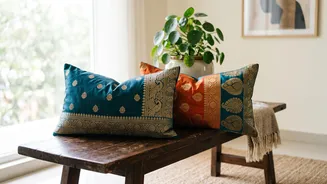
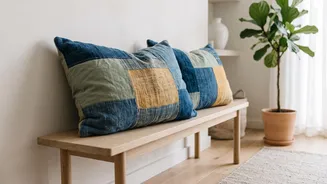
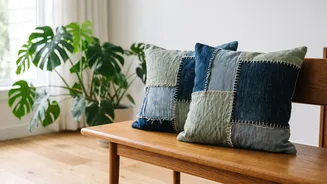
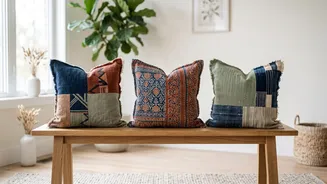
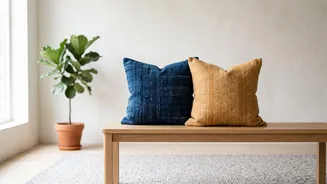
Your sofa and chairs are the centerpiece of the living room, but they don't need to be replaced for a new look. Instead, turn to old fabrics for a simple refresh. You can create new cushion covers from durable old clothes, blankets, or even curtains.
It's a simple project that can completely change the colour scheme and vibe of your seating. For those who don't sew, techniques using fabric glue or fusible tape can create clean-looking envelope-style pillow covers. You can also make a cosy patchwork throw blanket by sewing together pieces from old shirts or dresses, adding both character and comfort to your sofa.
Create Custom Wall Art
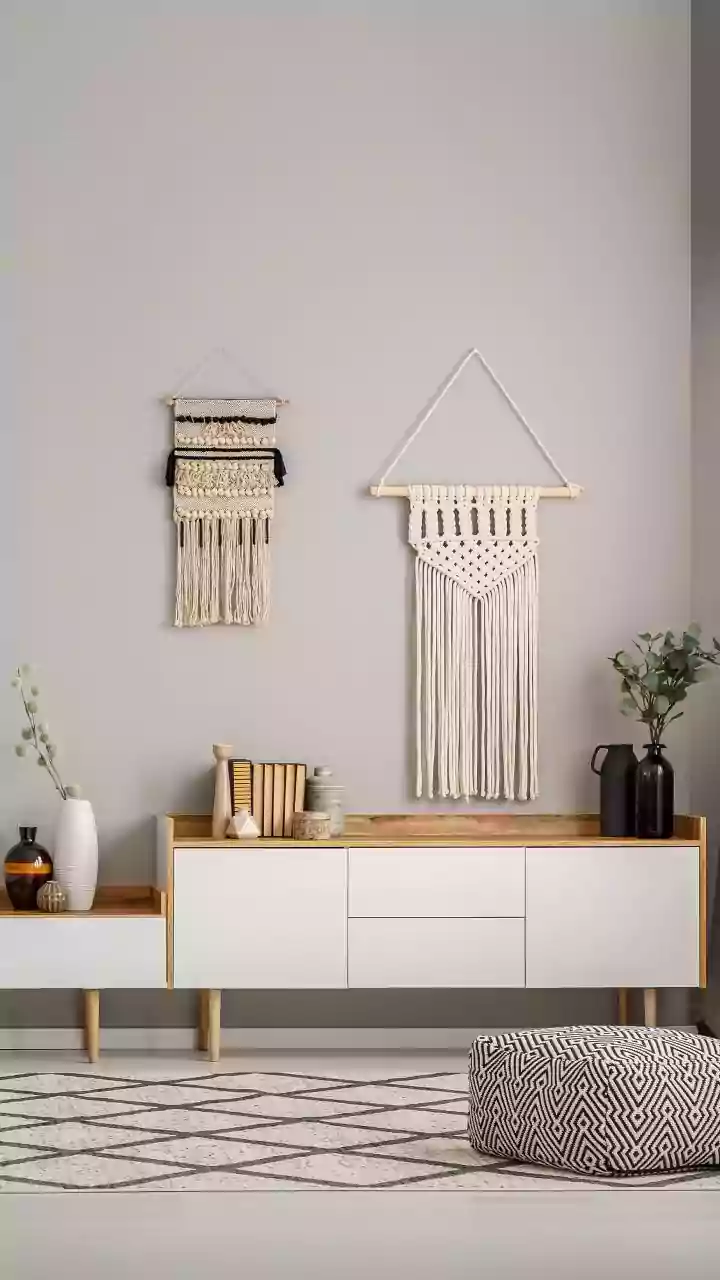
Bare walls are a blank canvas for your creativity. Instead of buying prints, turn interesting textiles into one-of-a-kind art. Stretch a piece of fabric with a bold pattern over a wooden frame or an artist's canvas and staple it in place for an instant tapestry effect. This is an easy, no-sew project that adds a punch of colour and personality. You can also frame smaller, more intricate fabric scraps—like lace, embroidered material, or pieces with interesting weaves—to create a mixed-media gallery wall. Grouping several framed fabric pieces can create a high-impact visual display.
Frame Your Windows with Flair
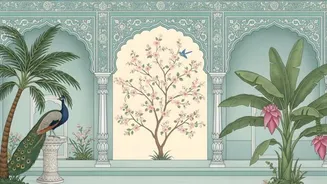
New curtains can be expensive, but upcycled fabric offers a simple and stylish alternative. You can fashion new window treatments from old bedsheets, tablecloths, or other large pieces of fabric. For a no-sew option, use clip-rings to hang flat fabric panels; the clips securely grip the fabric edge and slide easily along the curtain rod. This method is not only simple but also durable, as the clips distribute the weight evenly. You could also create a simple valance or banner from old tea towels or fabric scraps to add a touch of colour and charm to your windows.
Accessorise with Purpose
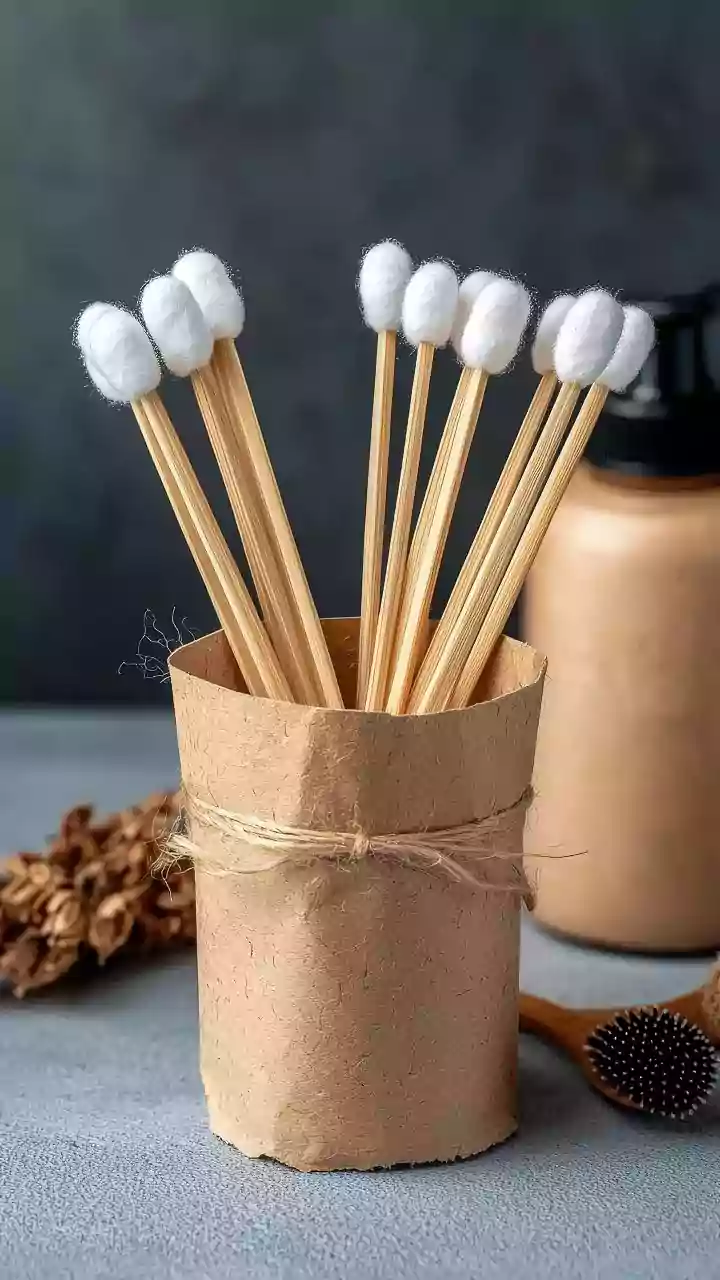
It's often the small details that tie a room together. Use leftover fabric scraps to breathe new life into everyday objects. Wrap sturdy fabrics around old planters or tin cans to create decorative storage bins for mail, remote controls, or craft supplies. You can also make charming garlands by cutting or tearing fabric into long strips and tying them together, perfect for draping over a mantelpiece or shelf for a rustic, bohemian touch. Even small fabric scraps can be glued together to make unique coasters or braided into decorative signs.
The Bigger Environmental Picture
Beyond the aesthetic and financial benefits, choosing to upcycle has a significant positive impact on the environment. The fashion and textile industries are major contributors to pollution and waste, with millions of tonnes of clothing ending up in landfills each year. Producing a single new cotton T-shirt, for example, requires around 2,700 litres of water. By repurposing fabrics you already own, you help reduce textile waste, conserve precious natural resources like water, and lower the carbon emissions associated with manufacturing and transporting new goods. It's a tangible way to make your home more sustainable.