



The Grand Vision We All Hear About
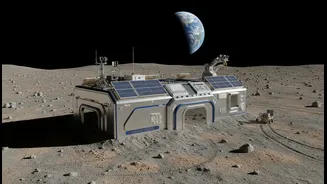
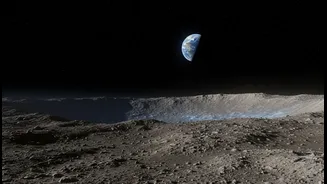
The public-facing narrative for NASA's Artemis program is undeniably captivating. It promises not just a return to the Moon for the first time since 1972, but the establishment of a permanent human foothold on another world. This vision includes a sustained
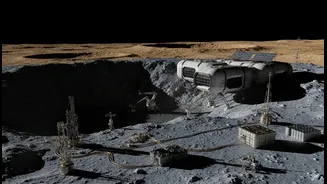
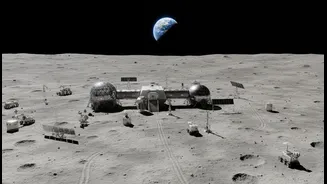
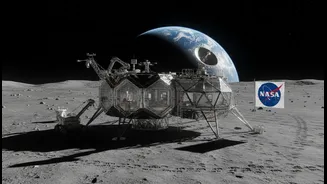
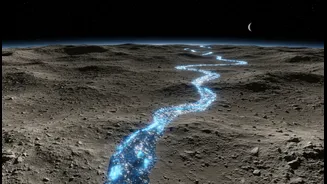
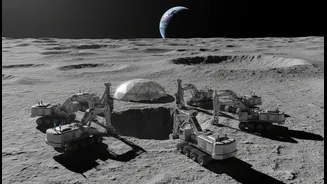
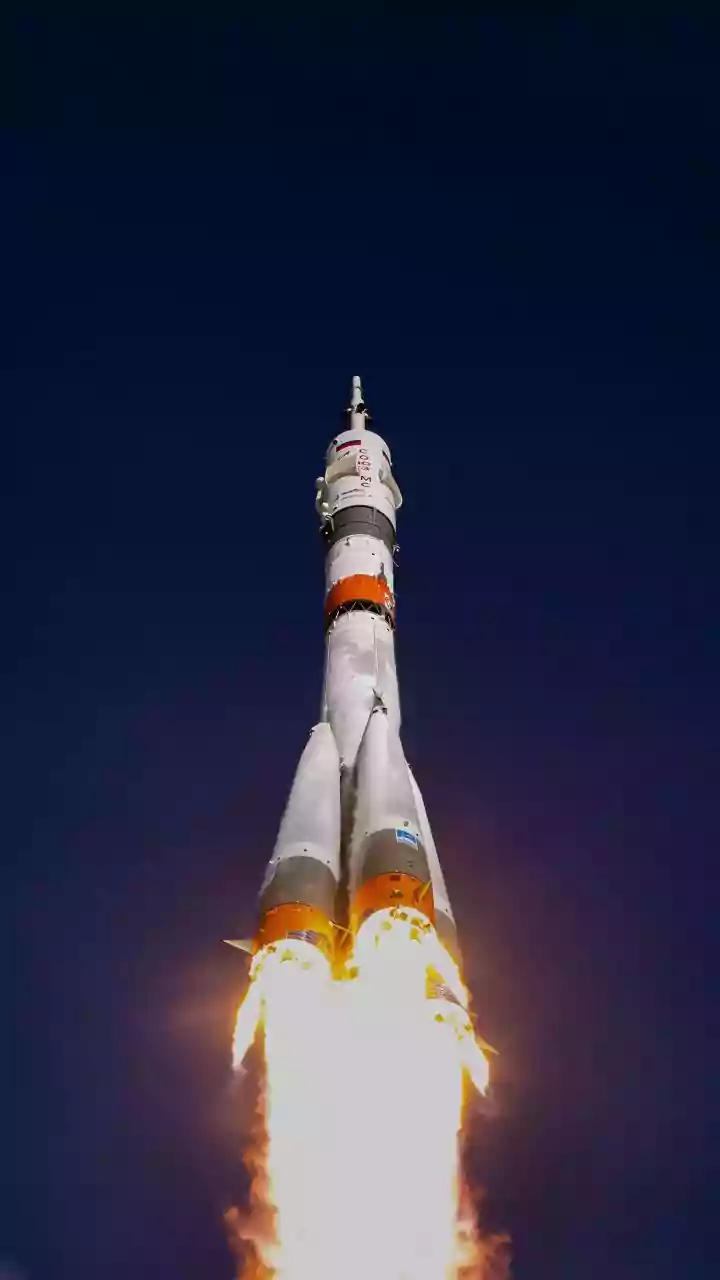
presence at the lunar South Pole, a region believed to hold water ice, which could be a game-changer for long-term habitation. The hype paints a picture of astronauts living and working on the Moon, developing a lunar economy, and using this outpost as a crucial launchpad for eventual human missions to Mars. Recent successful missions like the uncrewed Artemis I and the crewed Artemis II fly-by have been framed as major steps toward this future, generating significant public pride and a rare sense of unity. This inspiring story of exploration and human ingenuity is powerful and necessary to build broad support for such an ambitious and costly endeavor.
The Real Science Is Less Flashy, More Foundational
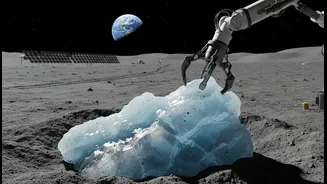
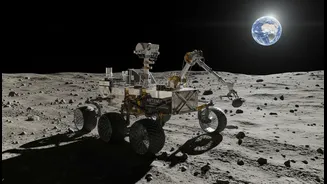
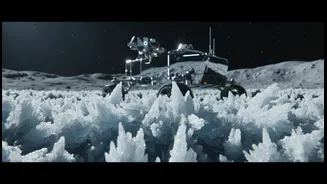
Beneath the grand vision, the actual scientific drivers for Artemis are more methodical and less about immediate colonisation. A key objective is to study the Moon's geology to understand the history of our solar system. Scientists are eager to analyze materials from permanently shadowed craters and collect new lunar samples to answer fundamental questions about planetary evolution. Another core goal is In-Situ Resource Utilization (ISRU), which is the concept of 'living off the land'. This involves testing technologies to extract resources like oxygen from the lunar soil (regolith) and water from ice deposits. These are not glamorous tasks, but they are essential for determining the long-term feasibility of any off-world settlement. The program also serves as a crucial testbed for understanding the long-term effects of deep space radiation and low gravity on the human body, data that is vital before any trip to Mars can be seriously contemplated.
The Unspoken Hurdles and Harsh Realities
What the hype often glosses over are the immense, non-trivial challenges. The lunar environment is incredibly hostile. There is no atmosphere to protect against cosmic radiation or the constant barrage of micrometeoroids, which can travel like bullets and puncture a habitat. Extreme temperature swings, from boiling hot to deep-freeze cold, place enormous stress on materials and equipment. The very dust on the Moon, a fine, abrasive powder called regolith, is a significant hazard. It can damage machinery and pose serious health risks if inhaled by astronauts. Furthermore, the cost and logistics are staggering. Every kilogram of material launched from Earth is incredibly expensive, making the development of ISRU technologies not just a scientific goal, but an economic necessity. These are not minor details; they are fundamental problems that require decades of innovation and consistent, long-term funding—something that is never guaranteed.
Why Managing Expectations Is Critical
This is why more context, not more hype, is so important. While inspiring narratives are crucial for public and political support, an overemphasis on the sci-fi vision of a bustling moon base can be counterproductive. The public is often more interested in the human story and the tangible scientific discoveries than the rocket science itself. However, public interest can wane if timelines slip and promises seem unfulfilled. Building a sustainable presence on the Moon will be a multi-generational effort, more akin to establishing research outposts in Antarctica than the rapid expansion of a new frontier. A narrative grounded in the steady, incremental progress of science and engineering sets realistic expectations. It frames challenges not as failures, but as part of the process. This approach builds a more resilient public trust that can weather the inevitable setbacks and budget debates, ensuring that this grand national project has the endurance it needs to succeed.