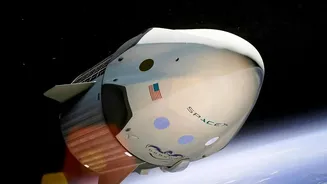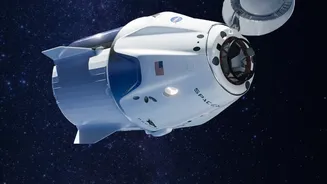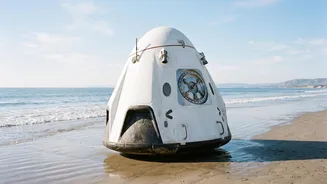





A capsule of scientific treasure has splashed down in the Pacific Ocean, marking the successful conclusion of SpaceX's 35th cargo mission for NASA. The Dragon spacecraft's return from the International Space Station is carrying a precious haul of research.
A Perfect Splashdown
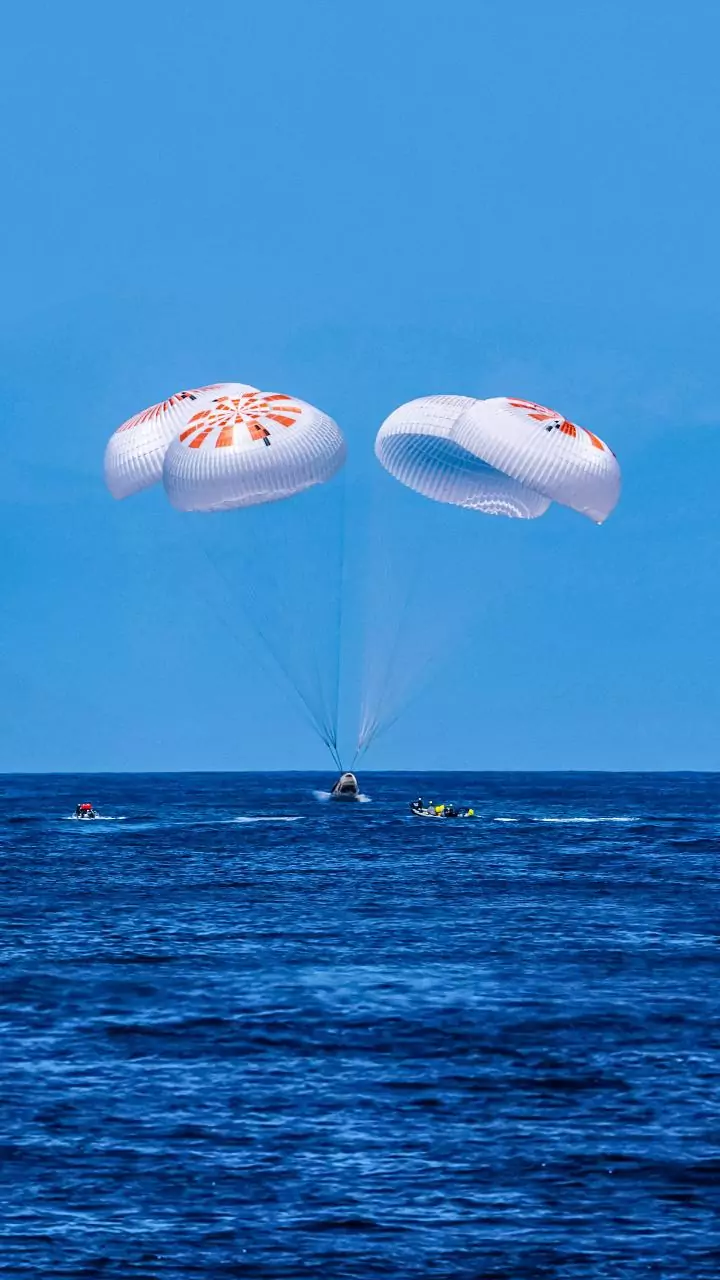
After undocking from the International Space Station on November 20, the uncrewed SpaceX Dragon spacecraft completed its journey home, splashing down safely off the coast of California on November 21. This event concluded the CRS-35 mission, a routine but critical flight in the ongoing partnership between NASA and commercial space companies. The Dragon capsule is unique among current cargo spacecraft for its ability to return sensitive materials to Earth intact, making it an essential vehicle for advancing space-based science. Shortly after its parachute-assisted descent, recovery teams were on site to retrieve the capsule and its invaluable contents, starting the clock on a rapid delivery of experiments to scientists on the ground.
A Treasure Trove of Medical Research
The primary value of the CRS-35 return mission lies in the scientific experiments it carried. Among the cargo are groundbreaking medical studies that could have significant impacts on human health both on Earth and in space. One key experiment involves 3D-bioprinted blood vessel constructs, which were used to study cardiovascular disease and the aging process in a microgravity environment. Additionally, the capsule returned frozen tumor organoids that were treated with chemotherapy drugs aboard the station. Studying how these 'mini-tumors' react without the influence of gravity could provide new insights into cancer treatment and help advance personalized medicine.
From the Lab in Space to Labs on Earth
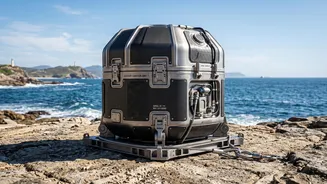
The work is far from over once Dragon is back on Earth. A crucial part of the process is getting the time-sensitive materials into the hands of researchers as quickly as possible. Some samples, like the biological specimens, are packed in freezers and must be transported to NASA's facilities within 48 hours for analysis. This rapid return allows scientists to study the effects of microgravity on samples before they have a chance to readapt to Earth's gravity. The research brought back also includes studies on antibiotic-resistant bacteria, which could help us understand how these microbes evolve and survive in isolated environments.
Why Microgravity Matters
Conducting experiments on the ISS offers a unique advantage that cannot be replicated on Earth: the near-total absence of gravity. This environment allows scientists to study biological and physical phenomena in their purest forms. For example, growing protein crystals for new drugs is more efficient in space, and studying how the human body adapts to weightlessness provides invaluable data for keeping astronauts healthy on long-duration missions to the Moon and Mars. The research from CRS-35 on brain organoids, for instance, aims to understand neuroinflammation related to diseases like Alzheimer's and Parkinson's. These experiments use the station as a laboratory to accelerate discoveries that benefit everyone.
Paving the Way for Future Exploration
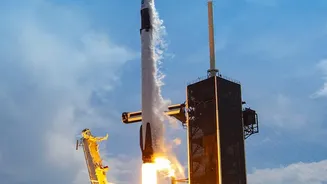
The CRS-35 mission, which launched on October 13, was more than just a delivery service. On its way up, it carried over 6,300 pounds of supplies and hardware, including the final pair of new iROSA solar arrays for the station. These arrays have increased the ISS's power generation capacity by about 30 percent, enabling even more ambitious research in the future. Each successful resupply and return mission strengthens the logistics chain for human spaceflight and demonstrates the reliability of the commercial partnership model. This consistent cadence of missions keeps the orbiting laboratory stocked and productive, serving as a vital stepping stone for humanity's future in deep space.