


A Note on Monsoon Plant Care
Before we dive into the specific plants, it's important to understand the monsoon's unique challenges. The biggest threat to your indoor plants during this season isn't neglect, but rather too much love in the form of overwatering. High humidity means
soil dries out much slower. The golden rule is to always check the soil before watering; if the top inch is still moist, wait another day or two. Good drainage is non-negotiable to prevent root rot, so ensure your pots have holes. Finally, since cloudy days reduce sunlight, moving your plants closer to windows can help them get the light they need to stay healthy.
Snake Plant: The Unkillable Classic
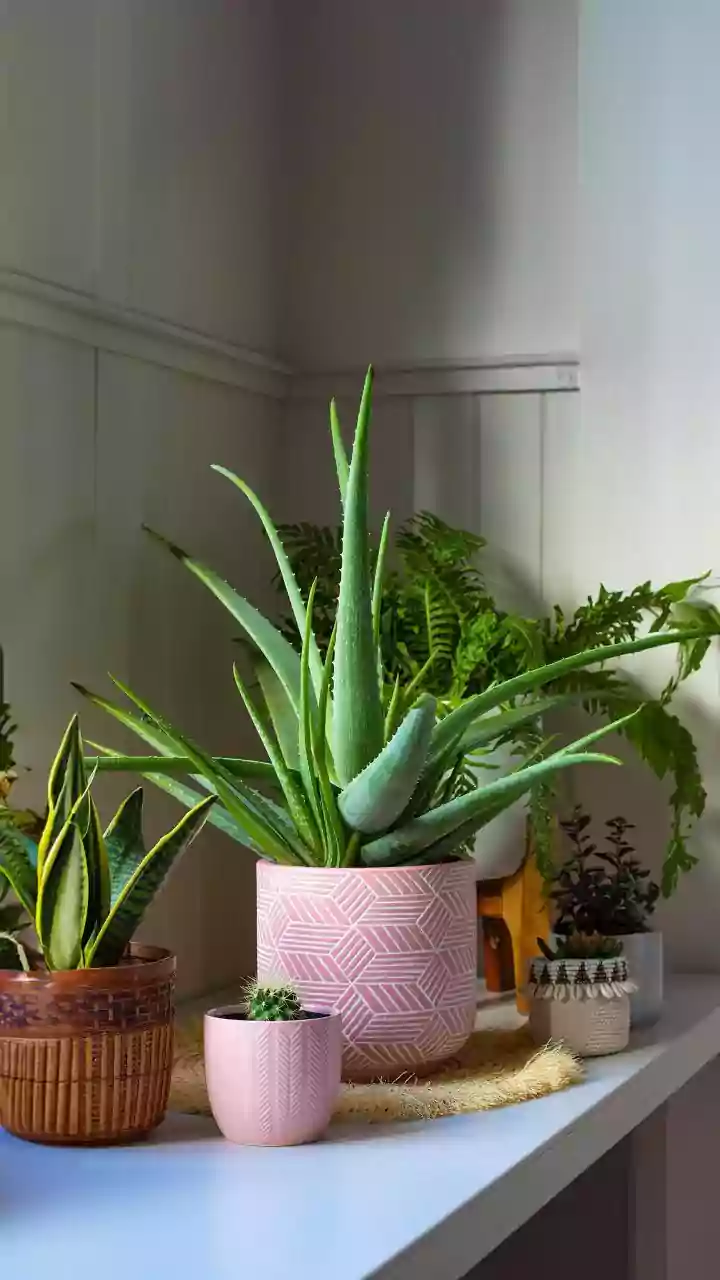
If you're looking for a plant that thrives on neglect, the Snake Plant (Sansevieria) is your champion. Its sturdy, architectural leaves are not just stylish; they are also incredibly resilient to varying conditions. Snake plants are known for their tolerance of low light and infrequent watering, making them perfect for busy households or beginners. During the monsoon, its minimal water needs are a significant advantage. You’ll likely find yourself watering it far less often than in the dry summer months. As an added bonus, it’s an excellent air purifier, keeping your indoor air fresh when windows are closed against the rain.
ZZ Plant: The Stylish Survivor
The Zamioculcas zamiifolia, or ZZ Plant, is another star performer in the low-maintenance category. With its glossy, waxy leaves, it adds a touch of modern elegance to any room. The ZZ plant is exceptionally drought-tolerant because it stores water in its underground rhizomes, making it highly resistant to root rot from the season's humidity. It thrives in low-light conditions, so a dim corner in an apartment is not a problem. For someone who wants the lush look of a healthy plant without the constant worry, the ZZ plant is a foolproof choice for the rainy season.
Money Plant: The Versatile Viner
There’s a reason the Money Plant (Epipremnum aureum or Pothos) is a staple in so many Indian homes. This fast-growing vine is incredibly forgiving and adaptable. It thrives in the high humidity of the monsoon and does well in indirect sunlight. One of its best features is its versatility; you can let it trail from a high shelf, climb a wall, or even grow it directly in a water-filled bottle. Its heart-shaped leaves are a cheerful sight on a gloomy day. Just remember to let the soil dry out slightly between waterings to keep it happy.
Peace Lily: The Elegant Air-Purifier
For those who want a touch of floral elegance without the fuss, the Peace Lily (Spathiphyllum) is an excellent choice. It is well-suited to the Indian climate and adapts beautifully to low-light conditions often found in apartments. The high humidity of the monsoon mimics its native tropical environment, helping it thrive and even produce its signature white blooms. Peace Lilies are also renowned for their air-purifying capabilities. They will visibly droop when they need water, taking all the guesswork out of your care routine—a helpful feature during the confusingly damp rainy season.
Spider Plant: The Resilient Propagator
The Spider Plant (Chlorophytum comosum) is a classic for a reason. It is exceptionally resilient and thrives in the humid conditions of the monsoon. It prefers bright, indirect light but can tolerate lower light levels. The arching leaves create a graceful, fountain-like effect, and it’s known for being an effective air purifier. The best part for new plant parents is that it’s self-propagating, producing little “spiderettes” or baby plants that can be easily repotted to create new plants for your home or to give away to friends. It's a plant that keeps on giving, with minimal effort required from you.