


The recent, tragic high-speed train collision in Spain is more than a headline. It is a sobering case study on the invisible, complex, and absolutely vital safety protocols that underpin our modern railway networks around the world.
What Happened in Spain?
On October 28, 2026,
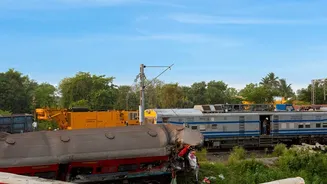
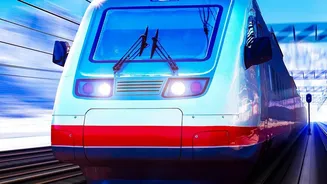
on the high-speed line between Madrid and Seville, a train operated by state-owned Renfe collided with the back of a stationary train run by private operator Iryo near the village of Urda. The incident, which claimed 69 lives and injured many more, began with a technical failure. At around 8:30 AM, a critical signalling and communication system called LZB malfunctioned, automatically halting all trains on that section of track as a fail-safe measure. This is where automated procedure ended and human decision-making began. In the minutes that followed, a series of events led a control centre to authorise the Renfe train to proceed, while the Iryo train remained stopped on the same line, leading to the fatal rear-end collision.
The Anatomy of Rail Safety
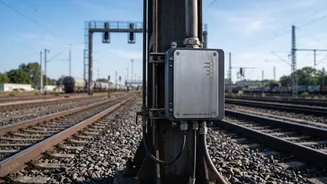
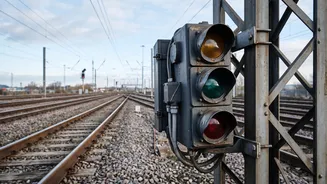
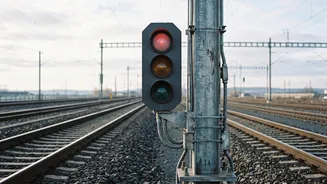
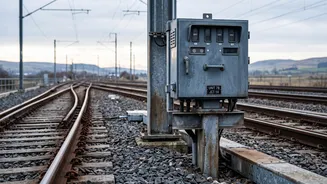
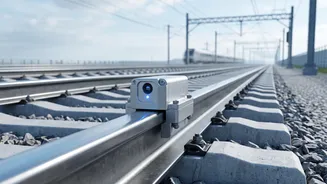
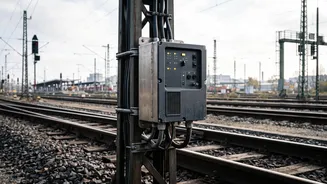
Modern railways are built on layers of safety, designed to create redundancy so that a single failure, whether human or technical, does not lead to disaster. The first layer is the signalling system, which acts as the railway's traffic light network. The second layer is Automatic Train Protection (ATP) systems. These are 'co-pilots' like Spain's LZB or Europe's ETCS, which can automatically apply a train's brakes to prevent it from passing a red signal or exceeding speed limits. When these automated systems fail, control reverts to human operators in traffic control centres, who must then manage train movements manually based on strict protocols. These rules often involve authorising trains to proceed at drastically reduced speeds, a procedure compared to driving in thick fog. Finally, the skill of the train driver (or loco pilot) and crew in managing the train and communicating with control forms another essential layer of defence.
Where the System Broke Down
The investigation into the Urda collision is ongoing, but preliminary findings point to a fatal gap between automated and manual control. The LZB system failed, as systems sometimes do, and correctly stopped the trains. However, a critical breakdown in communication or procedure appears to have occurred afterward. Reports suggest the Renfe train was authorised to proceed at normal, or near-normal, speed instead of the much slower speed mandated for manual operation after a signal failure. The Iryo train driver, meanwhile, was reportedly unable to restart. This tragedy highlights the immense pressure and responsibility placed on human controllers when technology fails. It underscores that emergency handling isn't just about the technology itself, but the seamless, rigorously drilled handover from automated systems to human oversight.
A Crucial Lesson for Indian Railways
For a nation as reliant on its railways as India, the events in Spain offer a powerful and timely lesson. India is in the process of rolling out its own indigenous ATP system called 'Kavach'. Like its European counterparts, Kavach is designed to prevent collisions by automatically applying brakes if a loco pilot misses a signal or if another train is detected on the same track. The system is a monumental step forward for rail safety in India, aiming to deliver Safety Integrity Level 4 (SIL-4), the highest standard of reliability and safety. However, the Spanish incident proves that the technology itself is only part of the solution. The true value lies in the integration of technology with human processes. This includes comprehensive training for loco pilots and controllers on how to manage system failures, clear and unambiguous protocols for manual takeovers, and continuous investment in both the technology and the people who operate it.