

The Enduring Taste of Devotion
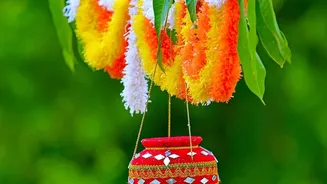
Janmashtami, the celebration of Lord Krishna's birth, is steeped in joyous rituals, prayers, and of course, food. Central to the festivities are offerings made from milk and butter, Krishna's childhood favourites. According to mythology, he was endearingly
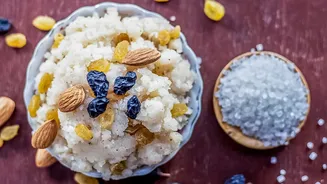
known as 'Makhan Chor' or 'the butter thief' for his playful habit of stealing freshly churned butter. The most iconic prasad (devotional offering) is Makhan Mishri, a simple, divine blend of fresh, unsalted white butter and the subtle crunch of rock sugar (mishri). This sweet is more than just a dish; it's a symbol of pure, innocent love and is a cornerstone of the 'Chappan Bhog', the traditional offering of 56 food items to the deity. Its preparation connects devotees directly to the heartwarming stories of Krishna's youth.
A New Generation's Health-Conscious Twist
In recent years, a noticeable shift has emerged, driven largely by younger generations of home cooks, food bloggers, and community groups. While the love for tradition remains strong, there is a growing awareness around health and wellness, particularly concerning refined sugar. This has sparked a creative movement to adapt timeless festival recipes for a modern, health-conscious audience. The goal isn't to discard tradition but to evolve it, making it more inclusive for family members with dietary restrictions, like diabetes, or for those who simply prefer a lighter, more mindful approach to festive indulgence. This trend reflects a broader change in how festivals are celebrated, where wellness and heritage are beginning to share the plate.
Innovating with Natural Sweeteners
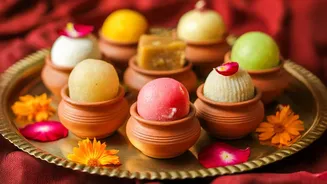
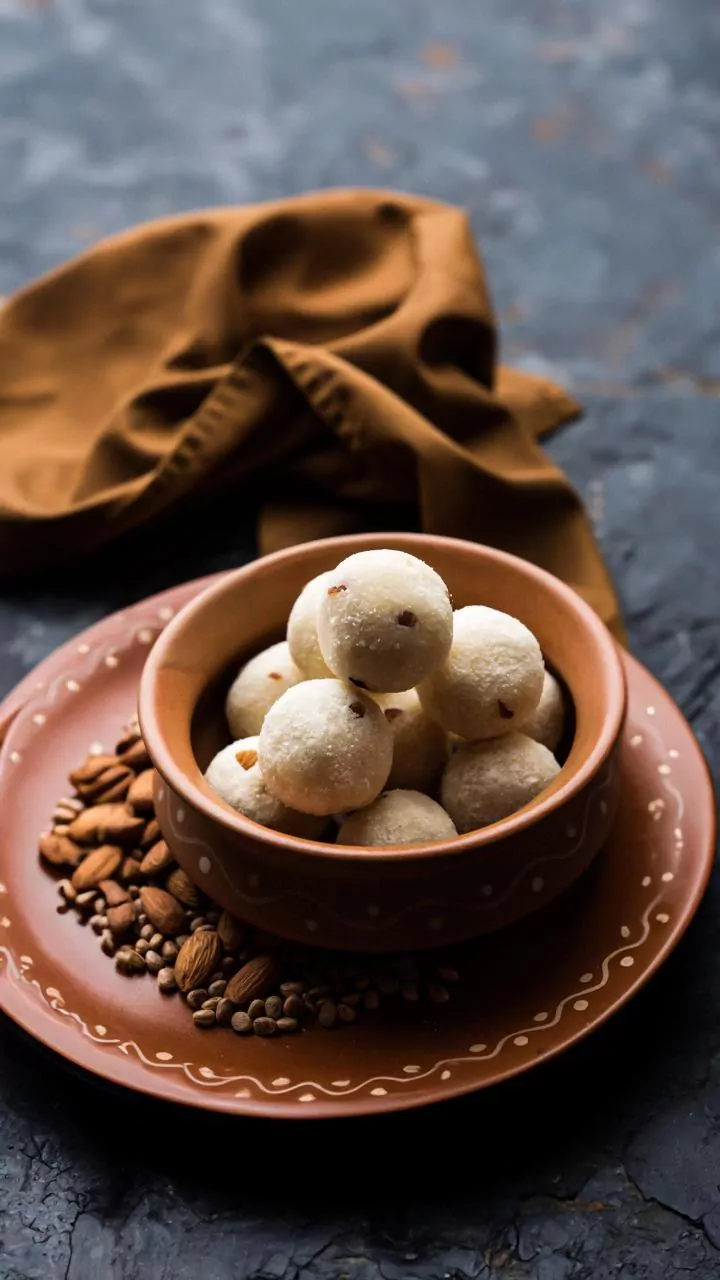
So, how are these butter sweets being reinvented? The primary change is the replacement of refined sugar with natural alternatives. Jaggery powder, with its earthy sweetness and mineral content, is a popular choice for sweets like Panjiri and laddoos. Date paste, which provides fibre and a rich, caramel-like flavour, is being used to create 'energy bites' and sugar-free laddoos that are both decadent and nourishing. Other substitutes include coconut sugar and even monk fruit sweetener for those seeking very low-glycemic options. For instance, a traditional coconut laddoo might be reimagined with grated coconut, a touch of ghee, and jaggery syrup instead of sugar. The focus is on retaining the soul of the sweet while making it nutritionally smarter.
Beyond Butter: Exploring Diverse Preparations
The innovation isn't limited to just Makhan Mishri. Youthful culinary enthusiasts are exploring a wide array of Janmashtami treats. One such traditional dish getting a modern makeover is Gopalkala, a savoury-sweet preparation from Maharashtra. Traditionally made with flattened rice (poha), yoghurt, cucumber, and spices, it’s already considered a healthy dish. Modern variations might see the inclusion of more fresh fruits, roasted nuts instead of fried gram, and using fresh, homemade curd to control the fat content. Similarly, creamy desserts like Shrikhand and Makhana Kheer are being prepared with natural sweeteners like dates or stevia, ensuring that the festive platter is both diverse and guilt-free.
A Celebration of Inclusive Tradition
This movement is about more than just cutting calories; it's about inclusivity and ensuring that cherished traditions can be enjoyed by everyone, regardless of their dietary needs. By adapting recipes, these young innovators are ensuring that the sweet moments of Janmashtami can be shared across generations. The response has been overwhelmingly positive, as these healthier options allow families to celebrate without compromise. It’s a beautiful example of how culture can evolve, proving that tradition is not a rigid set of rules but a living, breathing practice that adapts to the values and needs of the present day. These reimagined sweets carry the same love and devotion, just with a little less sugar and a lot more thought.