

An Art Gallery Without Walls
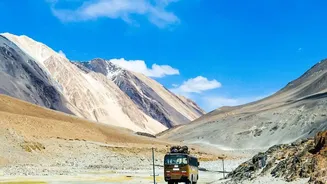
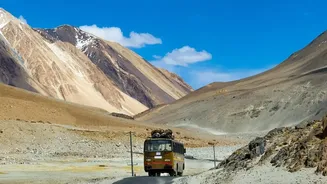
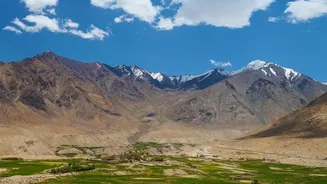
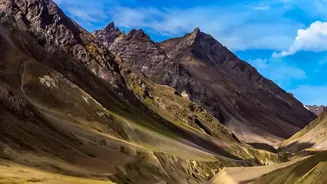
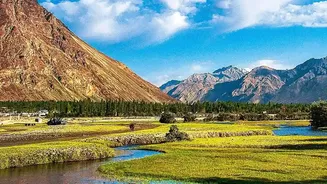
Imagine an art exhibition stretching over 200 kilometres, with mountains for walls and the open sky for a ceiling. This is the reality of the sā Ladakh Biennale, the world's highest regenerative art biennale, running from August 1 to 10, 2026. The name
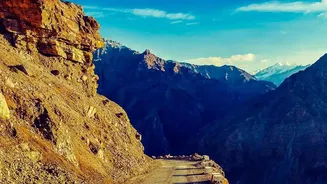
'sā' comes from the Ladakhi word for soil, reflecting the project's deep connection to the land. Instead of a single museum, the biennale unfolds across eight distinct locations along the historic Leh to Kargil route. This unique format transforms the journey itself into part of the experience, encouraging a slower, more immersive form of travel that goes far beyond ticking off famous landmarks from a list.
Art That Breathes with the Land
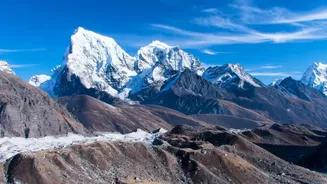
The core philosophy of the biennale is 'regenerative art'. This goes beyond simply not harming the environment; it's about creating art that actively engages with and benefits it. The installations are crafted by artists from Ladakh, other parts of India, and around the world, using locally sourced, biodegradable, and recycled materials. The artworks are not just placed in the landscape—they emerge from it, telling stories about the region's ecology, climate challenges, and cultural memory. Titled 'Signals from Another Star', this edition explores themes of water scarcity, melting glaciers, and indigenous knowledge, making the biennale a powerful conversation starter about the future of this fragile Himalayan ecosystem.
A Journey to Lesser-Known Gems
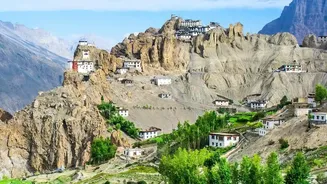
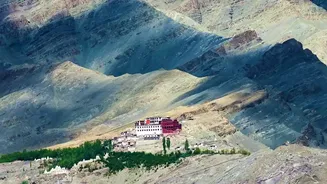
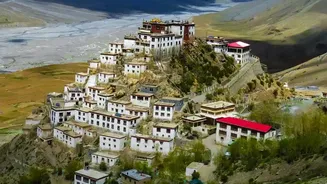
While Leh is the starting point for many, the art trail purposefully guides travellers to places they might otherwise miss. The route includes well-known sites like Leh and Kargil but also puts the spotlight on smaller villages and cultural centres such as Lamayuru, Basgo, Likir, Nurla, Mulbekh, and Hunderman. By dispersing installations across these locations, the biennale encourages visitors to explore the rich history and culture of places like Basgo, with its ancient ruins, or the remote border village of Hunderman. This approach provides a more authentic encounter with Ladakh, shifting the focus from a few crowded spots to a wider, more diverse region.
A New Model for Thoughtful Tourism
At its heart, the sā Ladakh Biennale is an experiment in sustainable tourism. By its very design, it discourages the kind of fast-paced, checklist-driven travel that has put a strain on Ladakh's resources. The journey between art sites requires time and patience, allowing for genuine interactions with local communities and a deeper appreciation for the environment. Organisers are clear that success isn't measured by visitor numbers but by the quality of engagement. The initiative aims to demonstrate how tourism can support and enrich local culture and ecosystems, rather than endanger them, offering a potential blueprint for other fragile destinations worldwide.
How to Experience the Trail
The biennale is non-ticketed and open to all, but requires some planning. The event runs until August 10, 2026, and visitors can start their journey from either Leh or Kargil. Given the high altitudes (over 3,000 metres), it is crucial to spend at least 48 hours acclimatising in Leh before venturing further. The best way to navigate the trail is by road, using local taxis or rental vehicles. There is no prescribed route, giving you the freedom to move at your own pace. With installations, film screenings, and workshops spread across the corridor, the trail offers a unique and meaningful way to connect with the art, the people, and the soul of Ladakh.