



The Age of the Asset-Lite Professional
Gone are the days of a 30-year career in one city. Today’s professionals, particularly millennials and Gen Z, value mobility and experiences over long-term possessions. Frequent job changes, project-based work, and cross-country relocations are the new
normal. In this fast-paced environment, owning bulky, heavy furniture has become a logistical and financial burden. The hassle of high shifting costs, the risk of damage during transit, and the dismal resale value have made many reconsider the wisdom of buying. Renting furniture aligns perfectly with this asset-lite lifestyle, offering the freedom to settle into a new home quickly and move on just as easily when the next opportunity calls. It's a shift from ownership to access, prioritising flexibility above all else.
Financial Flexibility Over Upfront Burden
One of the most compelling arguments for renting is the immediate financial relief it offers. Furnishing a new home can require a significant upfront investment, often running from ₹50,000 to over ₹1,00,000. For a professional juggling relocation costs, rent deposits, and other setup expenses, this can be a major strain. Monthly rentals replace this large initial outlay with small, manageable payments. This approach keeps cash liquid for other priorities and avoids the need for EMIs or credit card debt. While buying may seem economical over a very long period, calculations often show that for typical professional stints of one to two years in a city, renting remains the more financially prudent choice. It removes the stress of a major purchase for a temporary living situation.
Zero Hassle and Maximum Convenience
Beyond the costs, the sheer convenience of renting is a major draw. The process is streamlined for the digital age: browse online catalogues, pick individual pieces or pre-designed room packages, and schedule delivery. Many companies promise delivery and setup within 72 hours, transforming an empty apartment into a fully functional home almost instantly. Perhaps even more appealing is the zero-maintenance promise. When you rent, responsibility for wear and tear, repairs, or replacements typically lies with the rental company. A wobbly table or a faulty appliance is no longer your problem to solve; a simple service request handles it, offering complete peace of mind.
Style on Demand, Without Commitment
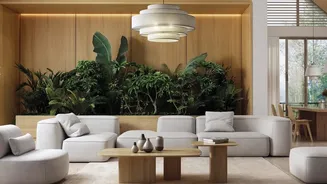
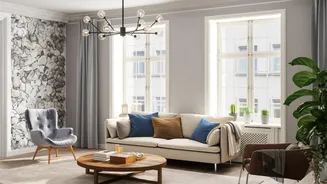
Buying furniture often means committing to a certain style for years. But tastes change, and so do design trends. Furniture rental offers a unique solution: the ability to experiment with and update your home's aesthetic without long-term commitment. Professionals can choose trendy, premium, or designer furniture that might be too expensive to purchase outright. This allows them to create a stylish, comfortable living space that reflects their personality, even if it's just for a short period. As lifestyles evolve—perhaps moving from a bachelor pad to a family home or needing a more ergonomic work-from-home setup—renting allows for easy swaps and upgrades. Your furniture can grow and adapt with you, not hold you back.
A More Sustainable Way of Living
In an era of increasing environmental awareness, renting furniture is also seen as a more sustainable choice. The rental model is a cornerstone of the circular economy, promoting the reuse and refurbishment of items, which reduces the demand for new manufacturing and minimizes landfill waste. By extending the life cycle of each piece of furniture, renting helps lower the overall consumption of resources like wood and reduces the carbon footprint associated with producing and disposing of goods. For a growing number of environmentally conscious consumers, choosing to rent is a deliberate lifestyle choice that aligns with their values of mindful consumption and sustainability.