



More Than Just Decoration
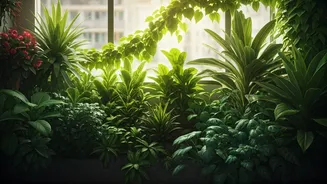
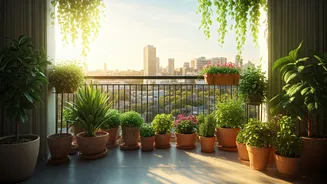
The pull towards indoor plants and balcony gardens in our cities is deeply rooted in a concept called 'biophilia'—the innate human tendency to seek connections with nature. In the concrete-heavy environments of Delhi, Mumbai, or Hyderabad, a splash of green
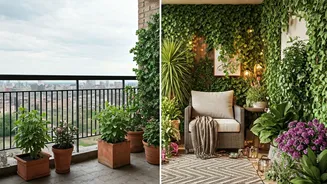
does more than just beautify a space. It answers a fundamental need. A pot of marigolds on the windowsill or a trailing money plant in the living room serves as a daily, calming reminder of the natural world. This aesthetic upgrade instantly makes a home feel more alive, tranquil, and welcoming, breaking the monotony of urban architecture and infusing the space with life and colour.
Your Personal Air Purifiers
Urban air quality is a constant concern for many in India. While indoor plants aren't a substitute for a mechanical air purifier, many species are excellent at filtering common indoor pollutants. Famously highlighted by a NASA study, plants like the snake plant (Sansevieria trifasciata), spider plant (Chlorophytum comosum), and peace lily (Spathiphyllum) are known to absorb toxins like formaldehyde and benzene from the air. Placing a few of these hardworking plants around your home can contribute to a fresher, cleaner indoor environment. They work quietly in the background, making your home a healthier sanctuary from the city's hustle and bustle.
The Ultimate Stress-Busters
The mental health benefits of interacting with nature are well-documented, and you don't need a forest to experience them. The simple act of caring for a plant—watering it, checking its leaves, watching it grow—can be a mindful, meditative practice. Studies have shown that the presence of plants can reduce stress, lower blood pressure, and improve mood. In a fast-paced urban life filled with screens and deadlines, having a living, breathing element in your home that requires gentle attention can be incredibly grounding. It provides a small, tangible sense of accomplishment and a quiet escape from daily pressures.
Get Creative with Vertical Spaces
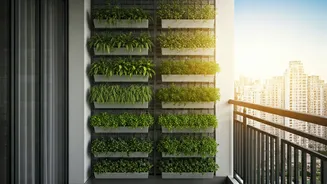
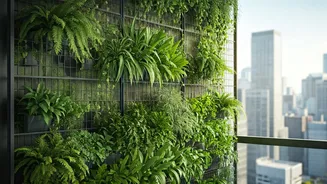
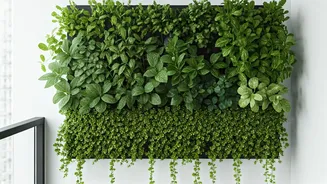
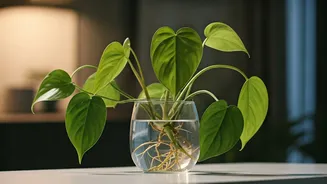
Lack of floor space is the number one challenge for most urban gardeners. This is where creativity comes in. Vertical gardening is a game-changer for small apartments. You can use wall-mounted planters, hanging baskets, or tiered shelves to create a lush green wall without sacrificing precious square footage. Trailing plants like pothos (money plant) or philodendrons are perfect for this, as they cascade beautifully from a height. Even a simple kitchen wall can be transformed with a vertical herb garden, putting fresh mint, coriander, and basil right at your fingertips. This approach is not just space-efficient; it's a design statement.
Start with a Low-Maintenance Corner
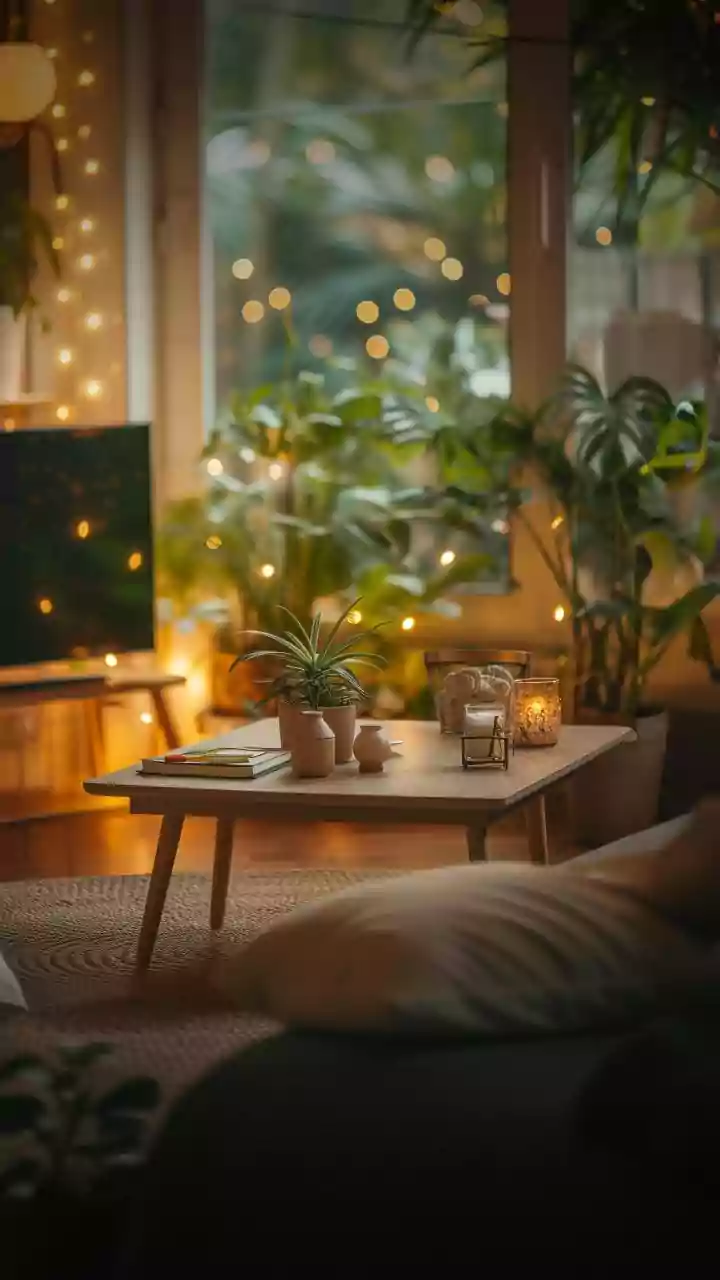
The fear of accidentally killing a plant stops many from starting. The key is to begin with forgiving, low-maintenance options. The ZZ plant (Zamioculcas zamiifolia) is famously tough, tolerating low light and infrequent watering. Similarly, the snake plant is nearly indestructible and thrives on neglect. Start by creating a small 'green corner' in your home with two or three of these easy-care plants. Grouping them together can create a stronger visual impact and even helps them create a more humid micro-environment. Once you build confidence with these, you can gradually branch out to more demanding species.
Grow What You Can Eat
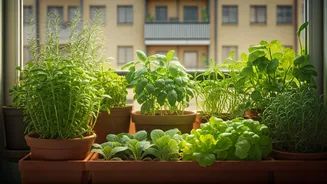
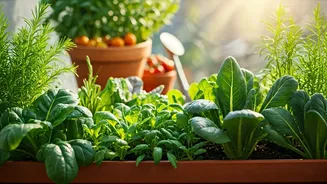
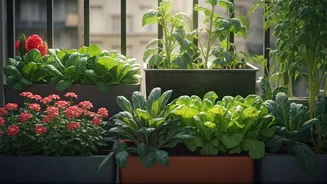
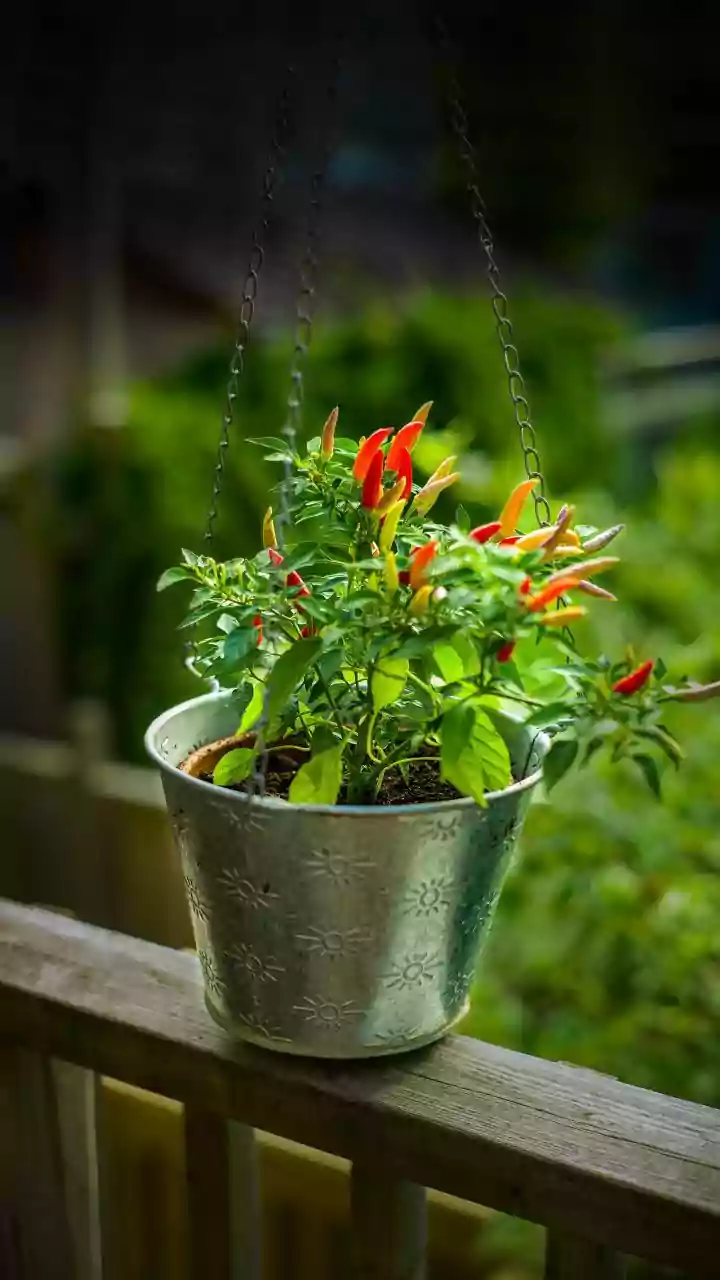
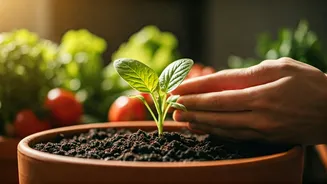
An urban garden can be both beautiful and productive. Even a small balcony or a sunny windowsill can host an edible garden. Think pots of holy basil (tulsi), curry leaves (kadi patta), chillies, or mint. These are relatively easy to grow and offer the incredible satisfaction of cooking with ingredients you've grown yourself. Not only does this ensure freshness, but it also reduces food miles and packaging waste. Growing your own herbs and simple vegetables is a powerful way to connect with your food and bring an element of self-sufficiency into your urban life.