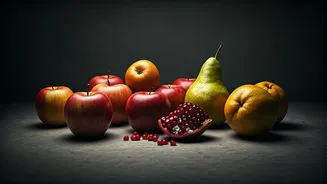


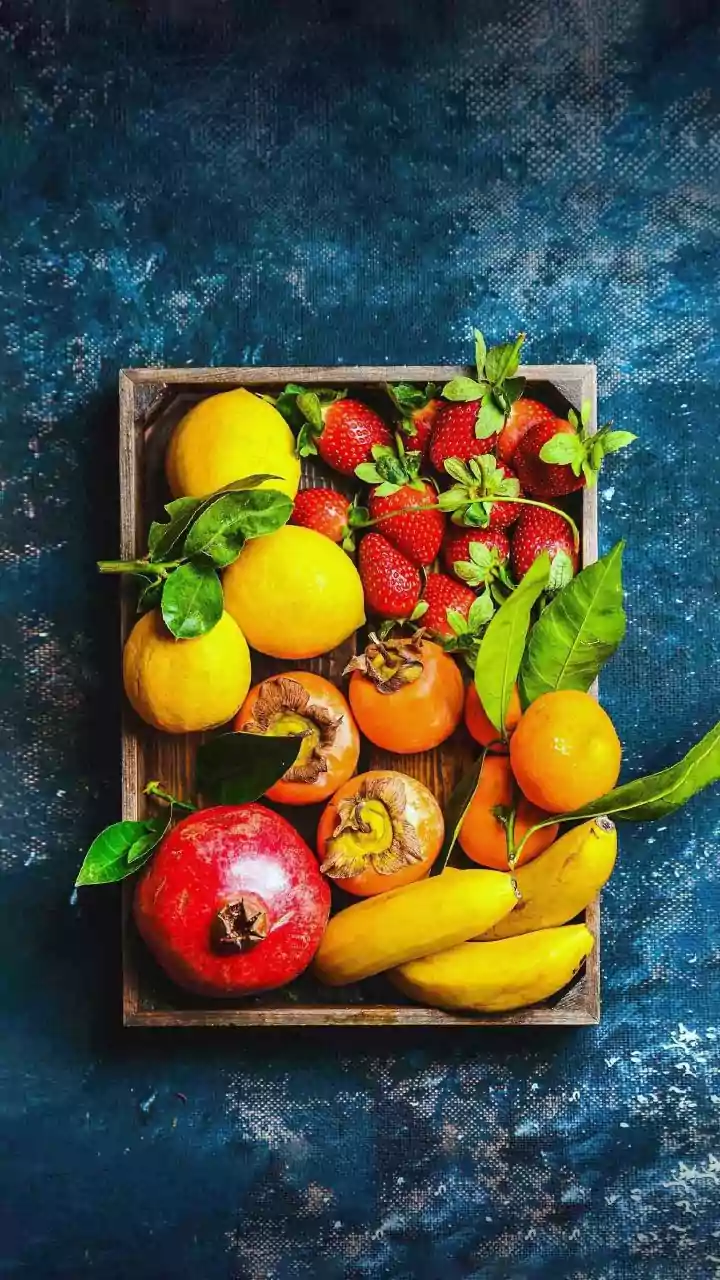






Apples: The Classic Crunch
There’s a reason apples are a perennial favorite. They are packed with soluble fiber, particularly pectin, which forms a gel-like substance in your stomach. This process slows digestion, helping you feel fuller for longer and preventing the blood sugar
spikes that lead to cravings. The satisfying crunch also sends signals to your brain that you're eating something substantial, unlike softer, more processed snacks. Keep a bowl on your counter for an easy-to-grab choice. For a smarter dessert, try baking apple slices with a sprinkle of cinnamon instead of reaching for a sugary pastry. They're low in calories, high in water, and incredibly versatile.
Pears: The Fiber Powerhouse
Often living in the apple’s shadow, pears are a nutritional powerhouse in their own right. A single medium-sized pear can provide around 6 grams of dietary fiber, which is more than 20% of the recommended daily intake for adults. This high fiber content is crucial for digestive health and plays a major role in satiety. Pears also have a low glycemic index, meaning they release sugar into the bloodstream slowly, providing steady energy without the crash. Their sweet, buttery texture makes them a perfect standalone snack or a great addition to salads and oatmeal, adding natural sweetness and bulk that helps you feel satisfied with your meal.
Grapefruit: The Hydrating Helper
Don’t let its tart reputation fool you; grapefruit is a fantastic tool for smarter eating. Composed of about 92% water, it’s one of the most hydrating fruits you can eat. This high water content helps you feel full on very few calories. Eating half a grapefruit before a meal is a time-tested strategy to help reduce overall calorie intake. Its distinct, slightly bitter flavor can also help reset your palate and curb cravings for overly sweet desserts. Rich in vitamin C and antioxidants, it’s a refreshing way to start your day or a perfect pick-me-up snack in the afternoon.
Pomegranates: The Mindful Snack
Pomegranate arils are like tiny, nutrient-dense jewels. They are loaded with fiber and powerful antioxidants called polyphenols, which help fight inflammation. But their biggest advantage for 'smarter eating' might be the process of eating them. Separating the arils from the pith takes time and attention, encouraging mindful eating rather than mindless munching. A handful of arils offers a burst of sweet-tart flavor, fiber, and texture for relatively few calories. Sprinkle them on yogurt, add them to salads for a pop of color and crunch, or simply enjoy them by the spoonful as a deliberate, satisfying snack.
Citrus: The Portable Pick-Me-Up
When the 3 p.m. slump hits and the vending machine calls your name, a clementine or orange is a far better choice. They are perfectly portioned, easy to peel, and provide a natural energy boost. Like grapefruit, they are high in water content and rich in vitamin C, an important nutrient for immune support, especially during colder months. The natural sugars in citrus are bundled with fiber, which helps your body absorb them more slowly than the refined sugars found in candy or soda. This prevents the dramatic energy crash that often follows a processed snack, keeping you on an even keel until your next meal.