



It is one of the most audacious goals in space exploration: to retrieve pieces of another planet and bring them home. After hitting major roadblocks, NASA's ambitious Mars Sample Return mission is back on the drawing board with a renewed sense of urgency.
A Mission on the Brink
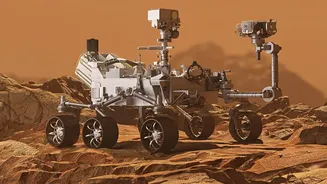
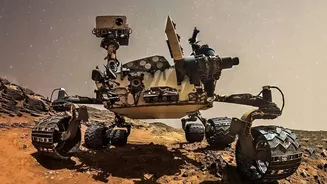
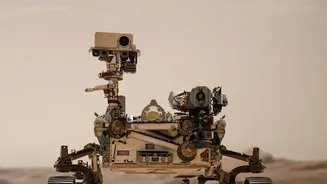
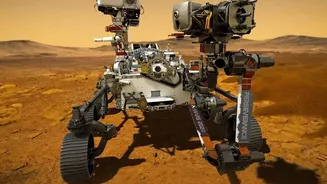
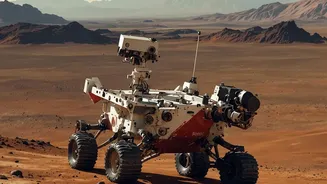
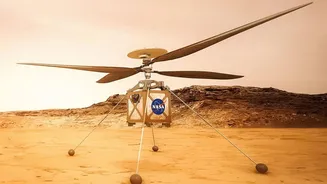
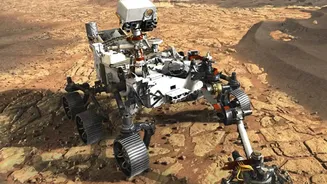
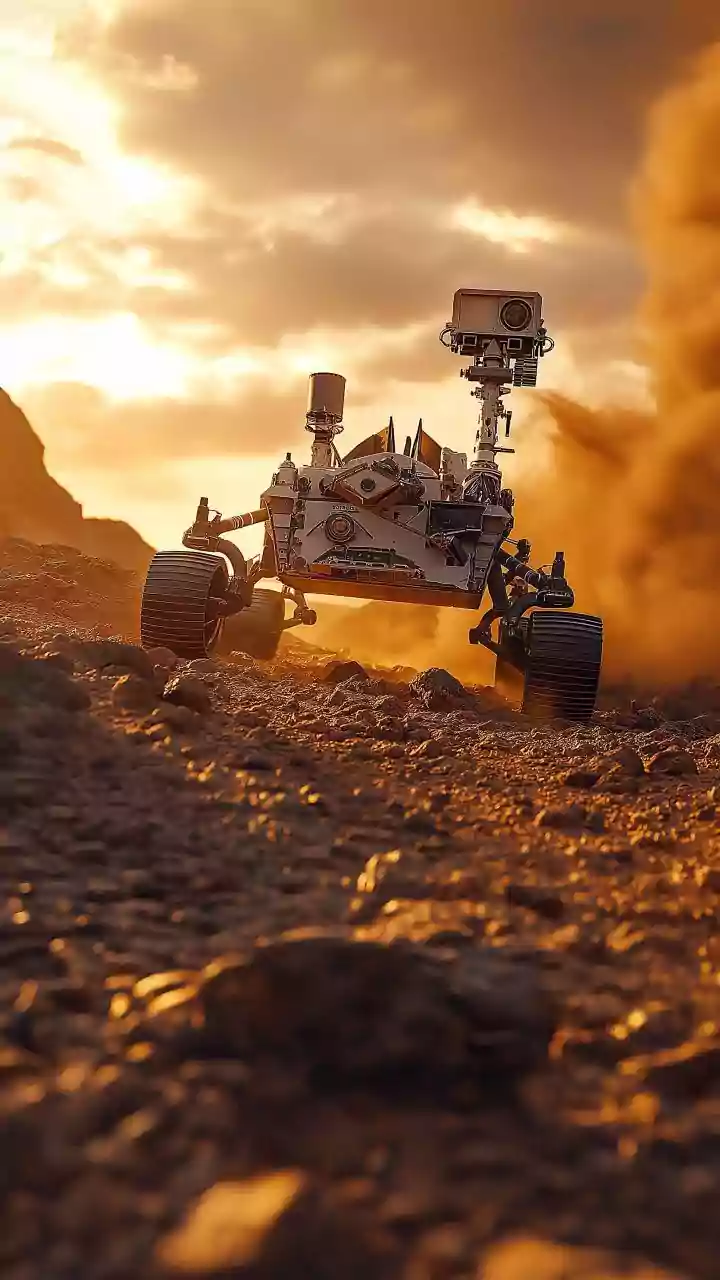
For years, the Mars Sample Return (MSR) mission, a joint endeavour with the European Space Agency (ESA), has been a top priority for planetary scientists. The plan is a multi-stage interplanetary relay race that began with the Perseverance rover, which has been dutifully collecting and caching rock, soil, and atmospheric samples in Jezero Crater since 2021. The next steps involved sending a lander to retrieve these samples and a small rocket to launch them into Martian orbit, where another spacecraft would capture and ferry them to Earth. However, the project's complexity led to a staggering price tag, with estimates ballooning to around $11 billion and a return date pushed back to 2040. An independent review board and NASA itself deemed this timeline and cost unacceptable, effectively pausing the ambitious program in 2023 and putting its future in serious doubt.
A New, Leaner Approach
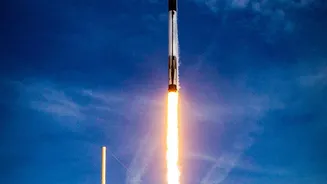
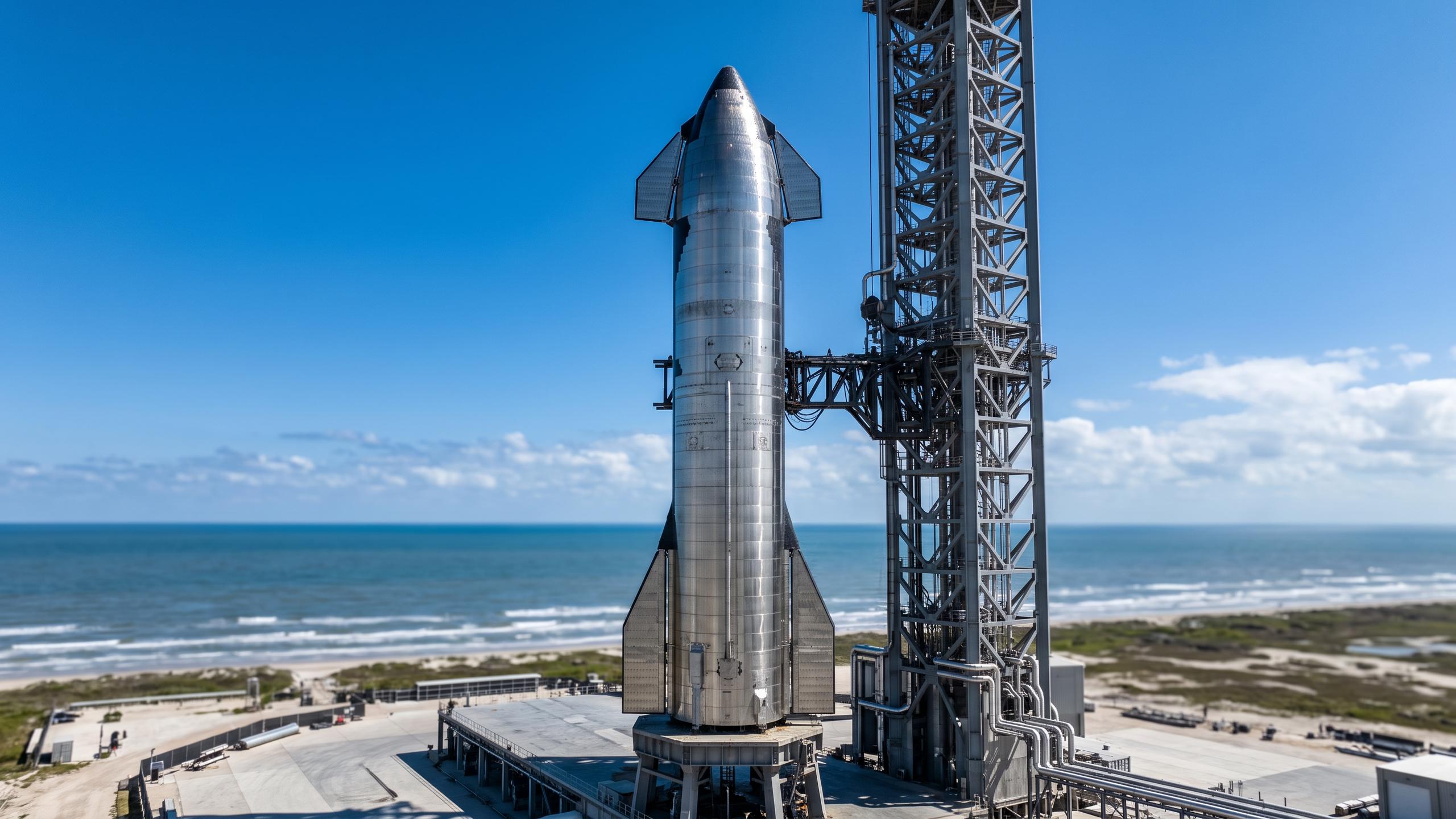
Faced with scrapping a mission decades in the making, NASA has initiated a fresh push. In early November 2026, the agency announced a new initiative called the Perseverance Sample Retrieval Architecture (PSRA). This effort is designed to re-evaluate the entire mission from the ground up, with the goal of developing a faster, cheaper, and simpler plan. The focus is on finding a way to get the samples back to Earth for a revised cost of between $5 billion and $8 billion. To do this, NASA is looking at two main options: one using its own proven technologies but on a smaller scale, and another that would rely on commercial partners for heavy-lift landers. This pivot opens the door for companies like SpaceX or Blue Origin to play a critical role in one of NASA's flagship science missions.
Why the Samples Are So Important
The entire reason for this massive undertaking lies in the limitations of remote science. While rovers like Perseverance can perform incredible analysis on Mars, the most sophisticated instruments will always be on Earth. Bringing samples back would allow scientists worldwide to study them in state-of-the-art laboratories, looking for definitive signs of past microbial life—or biosignatures. These pristine pieces of Mars could revolutionize our understanding of how planets form, whether life ever existed beyond Earth, and the geological history of a world that once had rivers and lakes. The samples would not just answer questions about Mars; they could also provide crucial information for planning future human missions to the Red Planet.
The Road Ahead and a New Space Race
While the mission is back on the agenda, its path forward is not yet clear. The new PSRA strategy team is scheduled to kick off its work in January 2027 and deliver a final report in the winter of 2027-2028. Until then, the exact architecture, timeline, and cost remain open questions. Adding pressure is the fact that NASA is no longer the only player in this game. China is moving forward with its own Mars sample return mission, Tianwen-3, which aims to launch around 2028 and return samples to Earth as early as 2031. This has injected a sense of urgency into NASA's efforts, reminiscent of past space races. The coming year will be critical in determining whether NASA can craft a viable plan that gets congressional approval and puts it on a firm path to bringing the solar system's most sought-after souvenirs back to Earth.