






Why All the Fuss About Gut Health?
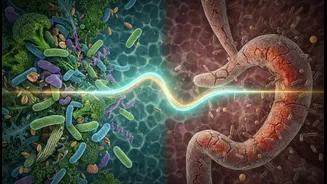
Before diving into what to eat, it helps to understand what we're nurturing. Your gut is home to trillions of microorganisms, including bacteria, fungi, and yeasts, collectively known as the gut microbiome. Think of it as a bustling city inside you. A
healthy, diverse microbiome is crucial not just for digestion, but also for your immune system, metabolism, and even your mood. The food you eat directly feeds these tiny residents, influencing which ones thrive and which ones don't. The goal is to cultivate a rich and balanced community of beneficial microbes.
The Comfort of Cooked Foods
Many wellness trends champion raw foods, but cooked meals have significant gut-friendly benefits, especially for those with sensitive digestion. Cooking breaks down tough plant fibres and complex proteins, essentially 'pre-digesting' your food. This means your digestive system doesn't have to work as hard, which can reduce bloating and discomfort. For example, the protein in cooked eggs is significantly more digestible than in raw eggs. Cooking also makes certain nutrients more available for absorption. The antioxidant lycopene in tomatoes and beta-carotene in carrots, for instance, are better absorbed by the body after being heated. Warm, cooked meals like dal, vegetable curries, and soups can be deeply soothing for the digestive tract, encouraging a state of 'rest and digest' that supports overall gut function.
The Freshness of Raw Foods
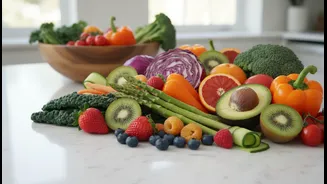
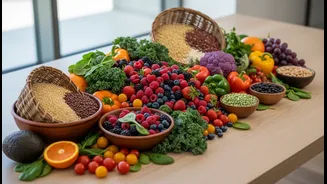
Raw foods bring their own unique advantages to the table. They are excellent sources of certain vitamins, like vitamin C, which can be diminished by heat. More importantly for gut health, raw plant foods are packed with dietary fibre. These fibres act as prebiotics—the food source for your beneficial gut bacteria. By feeding these microbes, you help them produce short-chain fatty acids, which are compounds that nourish the cells of your colon and have wide-ranging health benefits. While cooking can make fibre easier to digest, consuming raw items like salads, fruits, and a handful of nuts ensures you get a different spectrum of these important fibres. Foods like raw onions, garlic, bananas, and greens are particularly rich in prebiotics.
The Wonder of Fermented Foods
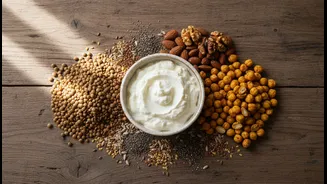
Fermented foods are the superstars of gut health, and luckily, they have been a cornerstone of Indian cuisine for centuries. Fermentation is a process where beneficial microbes like bacteria and yeast break down sugars in food. This process not only preserves the food but also enriches it with probiotics—the live beneficial bacteria themselves. Adding these foods to your diet directly populates your gut with helpful microbes. Staples like dahi (yogurt) are fantastic sources of probiotics like Lactobacillus. The fermented batters for idli and dosa make the grains and lentils easier to digest and boost their nutritional value. Even traditional pickles (achaar) and drinks like kanji offer probiotic benefits, helping to balance your gut flora and support your immune system.
Bringing It All Together for a Balanced Gut
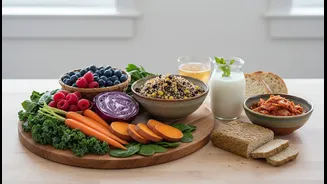
The key to a truly gut-friendly diet isn't choosing one type of food preparation over another, but embracing all of them. Each one—cooked, raw, and fermented—offers unique benefits that work together to create a resilient and diverse microbiome. Aim for variety on your plate and throughout the week. Enjoy a crunchy raw salad for lunch one day, a comforting, well-cooked sabzi and dal for dinner, and make sure to include a side of dahi or a piece of pickle regularly. A breakfast of idli or dosa is a great way to start the day with both cooked and fermented elements. This balanced approach ensures you're getting a wide range of fibres, nutrients, prebiotics, and probiotics, giving your gut everything it needs to thrive.